

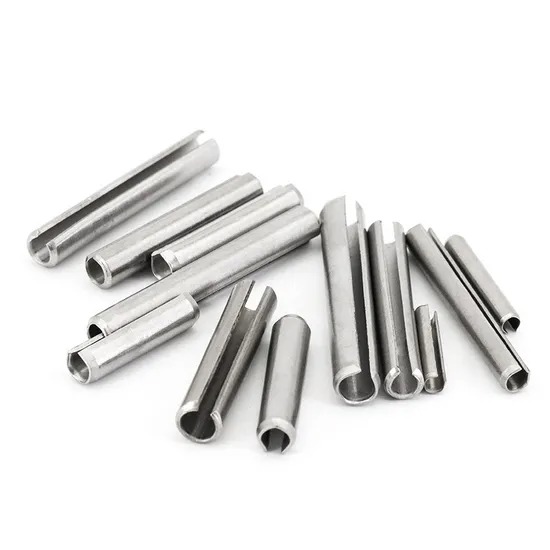
In many machines and mechanical systems, small parts play a very important role in keeping components connected and aligned. One such important fastener is the coiled pin. Coiled pins are strong, flexible, and reliable pins used to join parts together.
These pins are widely used in industries such as automotive, machinery, construction, and electronics. Their special design allows them to absorb shock and vibration while keeping parts securely connected.
In this article, we will explain what coiled pins are, their design, types, materials, uses, advantages, and installation process.
A coiled pin is a hollow cylindrical fastener made by rolling a strip of metal into a spiral or coil shape. Because of this design, the pin can compress slightly when it is inserted into a hole.
After installation, the pin expands and presses against the walls of the hole. This creates a strong and secure connection between the parts.
Coiled pins are often used to align, secure, and position mechanical components in machines and equipment.
Coiled pins have a simple but unique design that makes them effective.
The body of the pin is made from a metal strip that is rolled into several layers, forming a spiral shape.
The hollow center allows the pin to compress during installation and expand afterward.
The ends of the pin are slightly tapered to help guide the pin into the hole.
The layered design helps distribute pressure evenly and improves durability.
Coiled pins are available in different types depending on their strength and application.
These pins are used in small machines and light equipment where lower strength is needed.
Standard duty pins are commonly used in general industrial applications and machinery.
Heavy duty coiled pins are designed for high load and high stress applications such as heavy machinery.
Coiled pins are manufactured from different materials to suit different environments and strength requirements.
Carbon steel coiled pins are strong and widely used in industrial machinery.
Stainless steel pins provide excellent resistance to corrosion and are used in marine and outdoor environments.
Alloy steel pins offer higher strength and are used in heavy-duty applications.
Nickel-plated pins provide better protection against rust and wear.
Coiled pins are available in many sizes to fit different hole diameters.
Common size ranges include:
Diameter: 1 mm to 20 mm
Length: 4 mm to 100 mm or more
Selecting the correct size is important for proper installation and strong performance.
Coiled pins are used in many industries because they provide flexibility and strength.
They are used in gear systems, transmissions, and brake assemblies.
Coiled pins help secure gears, shafts, and levers in machines.
Heavy machines use coiled pins because they can handle vibration and shock.
Small coiled pins are used to secure components in electronic devices.
Farm equipment often uses coiled pins to connect moving parts.
Coiled pins offer many benefits that make them widely used in mechanical systems.
The spiral design allows the pin to compress and adjust during installation.
Coiled pins create even pressure around the hole, ensuring a secure fit.
They absorb shock and vibration, which helps protect machinery.
They can be installed quickly using simple tools.
The multi-layer design helps reduce stress and wear.
Installing a coiled pin is simple and requires basic tools.
Step 1: Prepare the hole in the parts that need to be joined.
Step 2: Align the parts correctly.
Step 3: Place the coiled pin at the hole entrance.
Step 4: Use a hammer or press tool to drive the pin into the hole.
The pin compresses during installation and expands afterward to create a tight fit.
Removing coiled pins is also easy.
Step 1: Use a punch tool that matches the pin diameter.
Step 2: Place the punch on one end of the pin.
Step 3: Tap gently with a hammer until the pin comes out.
Careful removal helps avoid damage to the surrounding parts.
Both coiled pins and slotted pins are types of spring pins, but their designs are different.
| Feature | Coiled Pins | Slotted Pins |
|---|---|---|
| Structure | Multi-layer spiral | Single slot |
| Strength | Higher | Moderate |
| Stress Distribution | Even | Uneven |
| Durability | Longer life | Shorter life |
Because of their layered design, coiled pins are often preferred for applications that involve heavy loads and vibration.
To ensure proper performance of coiled pins, follow these simple tips:
Always choose the correct pin size.
Inspect pins regularly for wear or damage.
Replace damaged pins immediately.
Use proper tools for installation and removal.
These steps help maintain safety and machine performance.
Coiled pins are strong and flexible fasteners used to secure and align machine components. Their spiral design allows them to compress during installation and expand to create a tight and reliable connection.
They are available in different sizes, materials, and strength levels to meet various industrial needs. From automotive systems and industrial machinery to electronics and agricultural equipment, coiled pins provide dependable performance.
Because of their strength, vibration resistance, and durability, coiled pins continue to be one of the most trusted fastening solutions in modern engineering and manufacturing.
Submit guest articles that reach decision-makers, influencers, and professionals. Yarabook offers a trusted platform for quality content, strong backlinks, and SEO-driven visibility. Pay. Publish. Promote.