

If you’ve ever wondered whether it’s possible to perform a florida license plate lookup for free, you’re not alone. Florida drivers, buyers, and curious residents often want basic information about a vehicle—whether after a minor accident, when buying a used car, or simply out of curiosity. However, the process isn’t as straightforward as many online ads make it seem.
This article explains what free license plate lookups can and cannot do in Florida, which options are legal, and how to avoid scams while staying within state and federal laws.
There are many legitimate reasons someone may want to look up a license plate in Florida:
Checking a used vehicle before purchase
Identifying a car involved in a hit-and-run
Verifying basic vehicle details
Confirming plate status or type
Researching specialty or personalized plates
While the demand is high, access to personal vehicle data is strictly regulated.
Short answer: not completely.
Florida follows the Driver’s Privacy Protection Act (DPPA), a federal law that protects personal information tied to motor vehicles. This means names, addresses, phone numbers, and owner identities are not available to the public for free—or even for a fee—unless you meet specific legal criteria.
However, some limited vehicle information can be accessed for free or with minimal effort.
You cannot legally obtain the following through a free florida license plate lookup:
Vehicle owner name
Home address
Contact details
Driver license history
Insurance details
Any website claiming to offer this information instantly and for free is either misleading or unsafe.
While personal data is restricted, you can find limited vehicle-related details through legitimate sources:
You may be able to identify:
Plate type (standard, specialty, personalized)
State of issuance (Florida)
Plate format and category
Some free tools may provide:
Vehicle make and model
Model year
Body type
Approximate vehicle class
This information is usually compiled from public or aggregated databases, not DMV records.
Florida’s Department of Highway Safety and Motor Vehicles (FLHSMV) does not offer a public license plate search tool. However, it does provide official information about:
Plate types
Registration rules
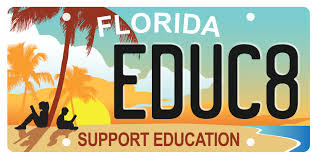
Specialty and custom plates
Legal plate display requirements
For educational and informational purposes, you can explore a detailed overview of Florida plate options and rules at
👉 https://floridalicenseplate.com/
(Only one internal link used, as requested.)
Many sites advertise a free florida license plate lookup, but often:
They show partial info, then request payment
They redirect to third-party paid services
They collect personal data
They display outdated or inaccurate results
Red flags to watch for:
Claims to reveal owner identity instantly
No privacy policy
Aggressive pop-ups or forced sign-ups
If you need verified or official data, consider these legal paths:
If a vehicle was involved in an accident:
Law enforcement reports may include plate-linked details
Insurance companies can access restricted data legally
Ask the seller for:
VIN number
Title and registration documents
Vehicle history report
A VIN check often provides more reliable details than a plate lookup.
Paid services may offer:
Expanded vehicle history
Accident or salvage records
Recall information
However, even paid services cannot legally disclose personal owner information without proper authorization.
Always read the fine print.
If you’ve ever wondered whether it’s possible to perform a florida license plate lookup for free, you’re not alone. Florida drivers, buyers, and curious residents often want basic information about a vehicle—whether after a minor accident, when buying a used car, or simply out of curiosity. However, the process isn’t as straightforward as many online ads make it seem.
This article explains what free license plate lookups can and cannot do in Florida, which options are legal, and how to avoid scams while staying within state and federal laws.
There are many legitimate reasons someone may want to look up a license plate in Florida:
Checking a used vehicle before purchase
Identifying a car involved in a hit-and-run
Verifying basic vehicle details
Confirming plate status or type
Researching specialty or personalized plates
While the demand is high, access to personal vehicle data is strictly regulated.
Short answer: not completely.
Florida follows the Driver’s Privacy Protection Act (DPPA), a federal law that protects personal information tied to motor vehicles. This means names, addresses, phone numbers, and owner identities are not available to the public for free—or even for a fee—unless you meet specific legal criteria.
However, some limited vehicle information can be accessed for free or with minimal effort.
You cannot legally obtain the following through a free florida license plate lookup:
Vehicle owner name
Home address
Contact details
Driver license history
Insurance details
Any website claiming to offer this information instantly and for free is either misleading or unsafe.
While personal data is restricted, you can find limited vehicle-related details through legitimate sources:
You may be able to identify:
Plate type (standard, specialty, personalized)
State of issuance (Florida)
Plate format and category
Some free tools may provide:
Vehicle make and model
Model year
Body type
Approximate vehicle class
This information is usually compiled from public or aggregated databases, not DMV records.
Florida’s Department of Highway Safety and Motor Vehicles (FLHSMV) does not offer a public license plate search tool. However, it does provide official information about:
Plate types
Registration rules
Specialty and custom plates
Legal plate display requirements
For educational and informational purposes, you can explore a detailed overview of Florida plate options and rules at
👉 https://floridalicenseplate.com/
(Only one internal link used, as requested.)
Many sites advertise a free florida license plate lookup, but often:
They show partial info, then request payment
They redirect to third-party paid services
They collect personal data
They display outdated or inaccurate results
Red flags to watch for:
Claims to reveal owner identity instantly
No privacy policy
Aggressive pop-ups or forced sign-ups
If you need verified or official data, consider these legal paths:
If a vehicle was involved in an accident:
Law enforcement reports may include plate-linked details
Insurance companies can access restricted data legally
Ask the seller for:
VIN number
Title and registration documents
Vehicle history report
A VIN check often provides more reliable details than a plate lookup.
Paid services may offer:
Expanded vehicle history
Accident or salvage records
Recall information
However, even paid services cannot legally disclose personal owner information without proper authorization.
Always read the fine print.
Submit guest articles that reach decision-makers, influencers, and professionals. Yarabook offers a trusted platform for quality content, strong backlinks, and SEO-driven visibility. Pay. Publish. Promote.