

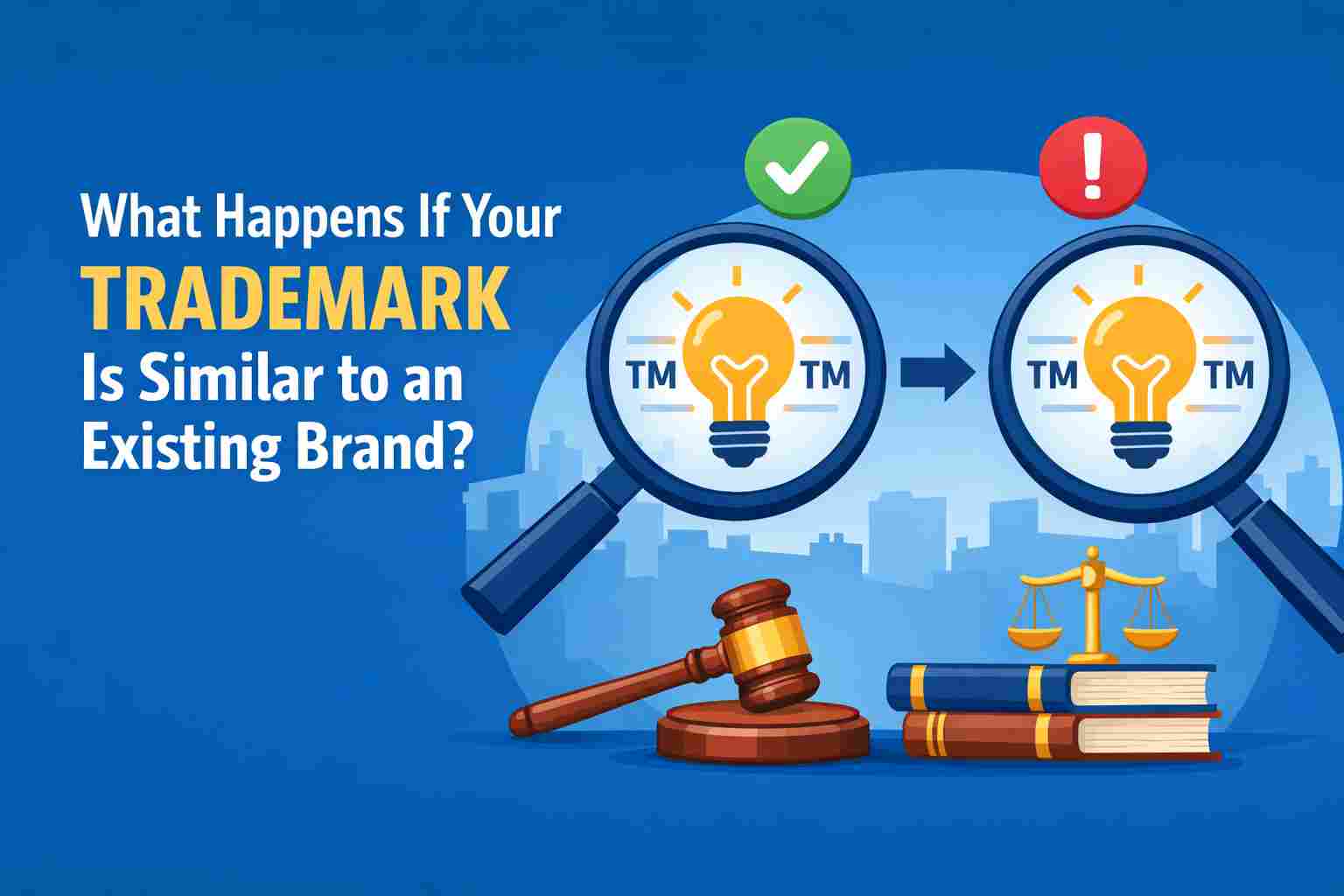
Choosing the right brand name, logo, or symbol is one of the most important decisions a business makes. A brand identity helps customers recognize products and services, builds trust, and differentiates a business from its competitors. However, before applying for trademark registration, many business owners overlook a critical step—checking whether the proposed trademark is similar to an already existing one.
If the trademark you choose closely resembles a previously registered or pending trademark, it can create legal complications. The trademark authority may object to or reject your application, and in some cases, the owner of the existing trademark may initiate legal action against your business. These issues can delay the trademark registration process and even force businesses to change their brand identity after investing significant time and money into marketing and branding.
The main objective of trademark law is to prevent confusion among consumers in the marketplace. When two brand names, logos, or marks look or sound alike, customers may mistakenly believe that the products or services come from the same company. This can damage the reputation of established brands and mislead consumers about the origin of goods or services.
To avoid such situations, the trademark registrar carefully examines every application before granting trademark protection. The authority checks whether the proposed mark is unique and sufficiently different from existing trademarks in the official database.
Trademark similarity occurs when a business attempts to register a trademark that closely resembles an existing registered or pending trademark. The similarity may exist in several ways, and even minor differences may not always be enough to distinguish one trademark from another.
Trademark similarity can arise in the following forms:
Similar pronunciation or sound
Similar spelling or structure of words
Visual resemblance between logos or symbols
Similar meaning, idea, or concept
Use of similar marks within the same or related industry
For example, imagine two companies operating in the same industry with brand names that sound alike or look visually similar. Customers might easily assume that both brands belong to the same organization or are somehow connected. Such confusion defeats the purpose of trademark protection, which is why trademark authorities carefully evaluate every application before granting approval.
During the trademark registration process in India, the Trademark Registration reviews each application submitted to the office of the Controller General of Patents, Designs, and Trade Marks. The registrar compares the proposed trademark with existing trademarks recorded in the official database.
When evaluating similarity, authorities generally focus on three important aspects.
Visual similarity refers to how a trademark appears to the eye. If two trademarks have similar designs, fonts, shapes, colors, or logos, they may be considered deceptively similar.
For example, two logos with nearly identical graphical elements or layouts may create confusion among consumers, even if the brand names differ slightly.
Phonetic similarity occurs when two trademarks sound alike when spoken aloud. Even if the spelling of the words is different, similar pronunciation can still lead to confusion.
For instance, a brand name like “QuickKart” might be considered phonetically similar to “KwikKart.” Even though the spellings are not identical, the way they sound could confuse consumers.
Conceptual similarity arises when two trademarks convey the same meaning or idea. This can happen when words, symbols, or phrases represent similar concepts.
For example, trademarks such as “Lion Security” and “King of Jungle Security” may be conceptually related because both convey the same symbolic idea.
If a business applies for trademark registration with a mark that is similar to an existing brand, several outcomes may occur during the registration process.
The first stage where issues may arise is during the examination stage. After a trademark application is submitted, the trademark office reviews it and issues an examination report.
If the registrar finds that the proposed trademark resembles an existing mark, an objection may be raised under the relevant provisions of the Trademark Act.
In such cases, the applicant must respond to the objection within the specified time frame. The response should clearly explain how the proposed trademark differs from the existing one or why it should still be allowed for registration.
Proper legal arguments and evidence can sometimes help overcome such objections.
If the response to the examination objection is not convincing, the trademark registrar may reject the application.
Trademark rejection usually occurs when:
The proposed mark is identical to an existing trademark
The mark is deceptively similar to a registered trademark
The businesses operate in the same or closely related industries
When an application is rejected, the applicant cannot proceed with trademark registration under that mark. The business may need to modify its brand name, logo, or design and submit a new trademark application.
Even if the trademark application passes the examination stage, it is still not guaranteed to be registered immediately. Once accepted, the trademark is published in the Trademark Journal, where it becomes visible to the public.
The opposition process involves legal proceedings where both parties present arguments, evidence, and documentation supporting their claims. This process can significantly delay the registration timeline and may even result in the application being rejected.
In certain situations, the owner of an existing trademark may initiate legal action if they believe that the new trademark infringes upon their rights.
Trademark infringement lawsuits can arise when a new business begins using a mark that is confusingly similar to an established brand. Legal disputes can lead to serious consequences such as financial penalties, forced rebranding, or court orders to stop using the trademark.
Preventing trademark conflicts requires careful planning before filing a trademark application. Businesses can significantly reduce the risk of objections and disputes by taking the following steps.
A detailed trademark search is one of the most important steps before applying for trademark registration. This process involves checking existing trademarks in the official database to identify any marks that may conflict with the proposed brand name.
Conducting a trademark search helps businesses identify potential issues early and modify their brand identity before filing the application.
Distinctive and creative brand names are more likely to receive trademark approval compared to generic or descriptive names. Unique words, invented terms, or combinations of unrelated words can help create a strong and protectable trademark.
Distinctive trademarks not only reduce the chances of rejection but also help businesses stand out in the marketplace.
Trademark registration is granted under specific classes of goods and services. Selecting the correct class ensures that the trademark is properly protected within the relevant industry.
Online lawyer consultation such as intellectual property attorneys or trademark consultants can guide businesses through the registration process. They can conduct detailed trademark searches, evaluate potential risks, and prepare strong trademark applications.
Professional guidance can help businesses avoid costly mistakes and increase the chances of successful registration.
Conducting a trademark search before filing an application is a crucial part of the trademark registration process. This step helps businesses determine whether their chosen trademark is already registered or pending in the official database.
A trademark search provides several advantages. First, it helps businesses avoid objections from the trademark registrar by identifying similar marks in advance. Second, it prevents delays in the registration process that may arise due to conflicts with existing trademarks.
Another major benefit is that it helps businesses avoid disputes with trademark owners. Filing a trademark application without checking existing trademarks can lead to legal conflicts that may damage the company’s reputation and finances.
Overall, a proper trademark search enables businesses to move forward with confidence when applying for trademark protection.
Registering a trademark at an early stage offers several advantages for businesses. By securing trademark protection early, companies can establish their brand identity before competitors enter the market with similar names or logos.
Early trademark registration ensures that the business has legal ownership of its brand identity. This allows companies to protect their trademarks from misuse or infringement by other businesses.
A registered trademark also strengthens branding and marketing strategies. Businesses can promote their products and services confidently, knowing that their brand identity is legally protected.
If your trademark is similar to an existing brand, the trademark registration process may become complicated. Businesses may face examination objections, opposition from existing trademark owners, or even rejection of their application.
Trademark authorities carefully review every application to ensure that consumers are not confused about the origin of goods or services and to protect the rights of existing trademark holders.
Submit guest articles that reach decision-makers, influencers, and professionals. Yarabook offers a trusted platform for quality content, strong backlinks, and SEO-driven visibility. Pay. Publish. Promote.