

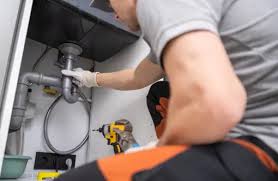
Homeowners experience both empowerment and financial savings when they choose to complete their own plumbing work. House owners believe they can perform minor plumbing work because they have access to numerous online tutorials and hardware store guides. The plumbing system presents greater complexity than its components show because some minor repairs are possible. A single error will result in multiple harmful outcomes, which include water damage, mold development, costly repairs, and health risks. The understanding of common plumbing mistakes that DIYers make will help you save money while safeguarding your house. You need to avoid these plumbing mistakes, which you should not make before you start using your wrench.
Over-Tightening Connections
DIYers commonly make the error of applying excessive force when they tighten pipe fittings and connections. The practice of applying maximum tightening to every connection point appears sensible because it should stop all leaks but this approach results in damage through cracked fittings and stripped threads and ruined seals. The practice of overtightening plastic fittings leads to their cracking. Excessive pressure on metal components will result in their loss of functionality. The result develops over time as tiny cracks progress into full leaks. The correct method for achieving secure connections involves creating connections that feel snug yet stable. The correct tools, together with manufacturer guidelines, will help you maintain equipment in optimal condition while achieving extended equipment life.
Using the Wrong Pipes or Materials
Pipes have different functions in plumbing. When installing piping in your home or business, it is essential to consider the right material based on the type of water, the type of installation, and the temperature and pressure of the water to be carried through the system. A common DIY mistake is connecting incompatible pipe materials together without proper fittings, such as connecting copper and galvanized steel directly to each other. This will lead to corrosion and premature pipe failure. Mixing and matching pipe materials can also create additional problems, such as using indoor pipes in exterior applications or choosing a pipe size that is too small for the application.
Ignoring Local Plumbing Codes
There is a reason why there are plumbing codes: they help ensure that plumbing systems are safe, sanitary, and operate effectively. Many DIYers do not research their local plumbing code before they begin a project. Not following local plumbing codes could result in a fine, an inspection failure, or a requirement to re-work the project. In some cases, installing plumbing improperly could also void your homeowner’s insurance policy. Local codes dictate the size of pipes needed, required venting, how to slope drainage, and how to prevent backflow, to name a few. Before beginning a major plumbing installation, contact your local building authority for the necessary permits and inspections needed to complete your project and protect your investment to ensure that your plumbing system operates safely.
Improper Pipe Slope and Drainage
The process of drainage systems depends on the fundamental principle of gravity. The proper installation of drain pipes requires specific slope angles for wastewater to flow correctly. The system experiences drainage problems because of insufficient slope, which leads to slow drainage and clogs, whereas excessive slope causes water to move faster than solid waste, resulting in debris accumulation. The two situations produce continuous blockages that generate bad odors. DIYers tend to miscalculate slope measurements while they fail to properly secure their pipes, which results in pipe sagging over time. The correct drainage pathway needs both accurate distance measurements and proper structural backing. The correct pitch for horizontal drain lines should be established at approximately 1/4 inch per foot, which helps to create uninterrupted wastewater movement.
Overusing Chemical Drain Cleaners
Homeowners contact chemical drain cleaners for immediate assistance with their clogged drains. These products can remove minor clogs when needed, but their continuous application will result in severe pipeline damage. The harsh chemicals can corrode pipes especially older metal plumbing systems which will weaken them through time. Chemical cleaners can damage septic systems while they create safety hazards for people who handle them incorrectly. People should use mechanical methods, which include plungers and drain snakes, instead of chemical solutions. The most secure and efficient method for handling persistent clogs is through professional inspection.
The Closing Thoughts
Correctly executing DIY plumbing can serve as an effective money-saving option; however, minor errors by an untrained person could have disastrous results. Plumbing systems are very complicated and function properly based upon specific criteria being present; improperly completing your work could lead to a catastrophic leak or significant water damage to your home and to costly plumbing repairs. Understanding the types of errors you could make and knowing when to call an expert to do your plumbing work can help protect your home from unnecessary stress as well as keep your plumbing systems working properly for the foreseeable future. If you’re unsure about your plumbing project, hiring a licensed residential plumbing service in Katy, TX, is always a responsible decision that will ensure your plumbing project is completed safely and accurately.
Submit guest articles that reach decision-makers, influencers, and professionals. Yarabook offers a trusted platform for quality content, strong backlinks, and SEO-driven visibility. Pay. Publish. Promote.