

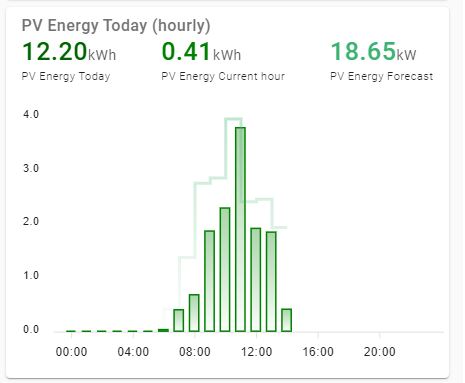
Rooftop solar has become one of the most effective ways for homeowners to reduce electricity costs and take control of their energy. However, as more people adopt solar panels, they soon notice a significant change – their system’s output fluctuates from day to day. Clouds, temperature, the seasons, random weather – it all impacts how much power those panels actually generate. That unpredictability makes it tough to know when a system will deliver peak electricity. That’s where accurate solar forecasting comes in. It lets homeowners look ahead and make smarter decisions about when to use energy.
What Exactly is Solar Forecasting?
At its core, solar forecasting is a sophisticated blend of atmospheric science and data technology. It moves beyond simple weather apps by pulling together Numerical Weather Prediction (NWP), real-time satellite imagery, and localized irradiance modeling. These tools don’t just tell you if it will be “sunny”; they calculate the specific angle and intensity of light hitting your roof, accounting for cloud thickness, air temperature, and even local humidity to estimate your exact power generation.
For homeowners with rooftop PV, this technology acts as a “GPS for your energy” that eliminates the traditional guesswork of renewable power. By using predictive analytics to see production windows hours or days in advance, consumers can move from passive observation to active energy management. This allows for smart scheduling, where high-energy appliances like dishwashers or EV chargers are synced perfectly with peak sunlight. It also leads to optimized storage, as systems can intelligently decide to hold energy in a battery if a cloudy afternoon is predicted, rather than exporting it prematurely to the grid.
Which Platform to use for Solar Forecasting?
There are many more platforms available. Beyond the established players like Solargis and Solcast, which lead the market in satellite-derived irradiance data and bankable historical records, the industry has seen a surge in specialized intelligence platforms.
This includes high-precision forecasting services like Forecast.Solar and XWeather by Vaisala, which focus on ‘nowcasting’ and hyper-local atmospheric conditions to reduce grid imbalance penalties. For the operational side, companies such as gridX and Solar-Log provide the digital ‘nervous system’ for decentralised energy systems, enabling real-time IoT monitoring and smart charging for EV fleets
But one platform offering accessible and accurate forecasts for rooftop systems is “Solar–Forecast”. The platform provides day-ahead and hour-by-hour predictions based on your location and system characteristics. Users can easily understand when their panels will perform best, which helps them adjust their daily energy routines via Personalization – worldwide covered with a feasible monthly costing.
How to Get the Max of Your PV with Solar Forecasting?
With better visibility into tomorrow’s expected solar generation, homeowners can schedule high-consumption activities during peak production hours. Solar Forecasts help in accurate solar forecasting. This reduces grid dependence and maximizes self-consumption – a key factor in lowering electricity costs.
Having “Solar-Forecast” with them, rooftop users with battery storage benefit even more. Rooftop PV Forecasting helps them decide the best times to charge their batteries from solar and when to conserve or discharge stored energy. Clear insights into upcoming solar availability prevent households from unnecessarily pulling electricity from the grid during peak pricing periods.
Why We Stick with Solar-Forecast.com?
“Solar-Forecast” also makes system monitoring way more effective. When you compare what your system was supposed to produce with what it actually generated, you can spot problems fast. Things like shading from new construction, efficiency drops from dust, inverter issues, or panel wear, etc, can be easily judged. Catching these early means less wasted energy and quicker fixes, keeping your system running smoothly for the long haul.
Forecasting also helps with seasonal planning. Rooftop owners can see how sunlight patterns change across the year and predict how their production will shift. If you’re using solar to power big loads like heating, cooling, or water pumps, that kind of insight makes planning and budgeting a lot easier.
The Ground-breaking Solar Forecasting API
Solar-Forecast also offers a customized and Python-baked solar forecasting API that delivers accurate solar and weather forecasts for any location, helping businesses and developers optimize energy planning and operations. It provides real-time data, short- and long-term predictions, and seamless integration into applications, enabling smarter decision-making for solar installations, renewable energy projects, and related operations.
Concluding Remarks
Accurate forecasting turns a rooftop PV installation into a highly manageable energy asset. It empowers homeowners to participate in smart energy management, get more value from their systems, and reduce their carbon footprint. Rooftoo Solar Forecasting platforms like “Solar–Forecast” provide affordable and simple solar forecast API and tools that help users make informed energy decisions, optimize daily routines, and achieve long-term savings.
Submit guest articles that reach decision-makers, influencers, and professionals. Yarabook offers a trusted platform for quality content, strong backlinks, and SEO-driven visibility. Pay. Publish. Promote.