

Solar thermal power plants are built on a simple but powerful idea: capture sunlight, convert it into high-temperature heat, and use that heat to generate electricity. But here’s something many people outside the industry overlook — generating heat is only half the battle. Keeping that heat where it belongs is what truly determines plant efficiency.
Even small thermal losses in piping systems or storage tanks can quietly reduce output. Over months and years, that loss translates into lower power generation, higher auxiliary fuel use, and increased operational cost. That’s exactly why more energy developers are turning toward advanced materials like aerogel insulation to strengthen thermal containment.
In a solar thermal facility, concentrated sunlight heats a transfer fluid — often molten salt or specialized oil — which then travels through insulated pipelines to storage tanks or steam generators. These fluids operate at very high temperatures. If pipelines or storage systems lose heat during transfer, overall plant efficiency drops.
Traditional insulation materials can help, but they often require thick layers to withstand high process temperatures. In complex plant layouts filled with valves, joints, supports, and tight routing paths, thick insulation makes installation difficult and maintenance even harder.
This is where aerogel insulation changes the equation. It delivers high-temperature resistance in a thinner, flexible format. That means engineers can maintain strong thermal performance without significantly increasing pipe diameter or adding excessive weight to structural supports.
Let’s look at it practically. Imagine two identical solar thermal plants. One uses conventional thick insulation; the other integrates aerogel insulation around its most critical heat-transfer pipelines.
Over time, the plant with improved thermal containment retains more usable heat. That leads to:
Higher energy conversion efficiency
Reduced reliance on auxiliary fuel systems
Improved consistency in steam generation
Greater operational stability during fluctuating sunlight conditions
Energy engineers researching Aerogel insulation suppliers in Delhi are increasingly considering this material not just as an upgrade — but as a performance strategy. In a sector where efficiency margins matter, retaining even a small percentage of additional heat can significantly impact annual power output.
Despite its advantages, many decision-makers still have valid questions. Let’s address them directly.
It’s true that the upfront cost may be higher compared to conventional materials. However, insulation in solar thermal plants is not just a purchase — it’s a long-term energy investment. Reduced heat loss leads to lower operational costs over the life of the plant. When viewed from a lifecycle cost perspective, the return often justifies the initial investment.
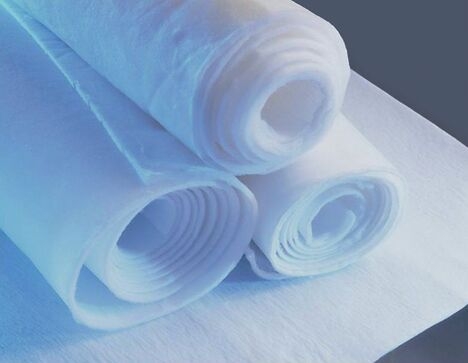
Modern aerogel insulation products are engineered for industrial use. They are typically reinforced in blanket or sheet form, making them flexible and easier to install than many assume. With proper handling practices — which are standard in industrial installations — durability is not an issue.
Yes. Aerogel insulation is specifically designed for high-temperature applications. It maintains thermal resistance even under continuous exposure to elevated heat, which makes it well suited for solar thermal piping and storage systems.
Solar plants operate outdoors and face humidity, dust, and environmental stress. Aerogel insulation is hydrophobic, meaning it resists moisture absorption. This protects long-term performance and reduces degradation risk compared to materials that can absorb water over time.
Safety is another important factor in power generation facilities. Aerogel insulation products are typically fire-resistant, adding an extra layer of protection in high-temperature installations.
Solar thermal infrastructure is expanding globally as countries push toward cleaner energy portfolios. According to organizations like the International Renewable Energy Agency (IRENA), improving system efficiency is key to making renewable technologies more competitive and scalable.
Insulation may not be the most visible part of a solar plant, but it plays a critical role in performance optimization. By minimizing heat loss, aerogel insulation helps maximize the energy captured from sunlight. That means more electricity generated from the same input — and better returns on capital investment.
For EPC contractors and plant developers, choosing the right insulation is about balancing cost, efficiency, durability, and ease of installation.
Aerogel insulation offers:
High R-value per inch
Reduced insulation thickness
Improved maintenance access
Long-term thermal stability
Moisture resistance
Fire protection support
It fits well into modern plant designs where space-saving solutions and structural efficiency matter.
As solar thermal projects become more competitive, performance improvements at every level count. Insulation might seem like a background component, but it directly influences plant efficiency, operational stability, and lifecycle profitability.
If you are planning or upgrading a solar thermal power project, it may be time to reconsider how much value your insulation system is truly delivering.
Explore how advanced aerogel insulation solutions can strengthen your plant’s thermal performance and support long-term renewable energy success. Visit the DARQ aerogel insulation page to learn more about specifications, applications, and industrial support options.
Submit guest articles that reach decision-makers, influencers, and professionals. Yarabook offers a trusted platform for quality content, strong backlinks, and SEO-driven visibility. Pay. Publish. Promote.