

As summer temperatures rise, keeping your home comfortable often comes with the cost of soaring electricity bills. Air conditioning is a common solution, but running it non-stop can quickly drain your wallet. Fortunately, there are smart strategies to maintain a cool home while keeping energy costs under control. These methods range from simple adjustments in your daily routine to small investments that provide long-term savings.
1. Optimize Natural Ventilation
One of the easiest ways to keep your home cool is by harnessing natural airflow. Opening windows strategically during cooler parts of the day—typically early morning and late evening—allows fresh air to circulate and push out warm air. Cross-ventilation works best when you open windows on opposite sides of the house, creating a natural breeze that reduces indoor temperatures without turning on the AC.
For rooms that tend to trap heat, consider using exhaust fans or ceiling fans to help move hot air out. Even a simple box fan placed in a window can create a channel for air to flow, pushing out warm air and drawing in cooler air from shaded areas.
2. Use Fans Wisely
Fans are far more energy-efficient than air conditioners and can provide significant relief when used correctly. Ceiling fans, for example, create a wind-chill effect, making you feel cooler even if the room temperature hasn’t changed. To maximize efficiency, ensure that your ceiling fan blades rotate counterclockwise during the summer months.
Portable fans can also be strategically placed near windows to pull in cooler air from outside during the evening. When used in combination with your air conditioner, fans allow you to raise the thermostat a few degrees while maintaining comfort, lowering your overall energy consumption.
3. Keep the Sun Out
Solar heat gain through windows is a major contributor to indoor warmth. Using blinds, curtains, or reflective window films can significantly reduce the heat entering your home. Dark or heavy curtains work well, but even light-colored blinds or shades can reflect sunlight and keep rooms cooler.
Consider installing external shading devices, like awnings or shutters, which block sunlight before it reaches your windows. Landscaping can also play a role—trees and shrubs positioned to shade windows can lower indoor temperatures while enhancing your home’s aesthetic.
4. Insulate and Seal Your Home
Heat can sneak in through poorly insulated walls, roofs, and gaps around windows and doors. Proper insulation keeps warm air out and cooler air in, reducing the need for constant air conditioning. Weatherstripping around doors and caulking gaps in window frames are inexpensive ways to seal leaks and improve energy efficiency.
Additionally, insulating your attic or roof space can prevent heat from radiating into living areas. In hot climates, reflective roof coatings or lighter-colored roofing materials can deflect sunlight and reduce heat absorption. These improvements not only cool your home but also make it more energy-efficient year-round.
5. Upgrade Your Lighting
Traditional incandescent bulbs generate a surprising amount of heat, which can raise room temperatures. Switching to energy-efficient lighting, such as LEDs or compact fluorescent bulbs, reduces both heat and energy use. Even small changes, like turning off unnecessary lights, can make a noticeable difference in the overall temperature and energy consumption of your home.
6. Cook and Bake Strategically
Kitchen appliances, especially ovens and stovetops, produce heat that can quickly warm the surrounding areas. Try cooking during cooler parts of the day or using alternative methods like microwaves, slow cookers, or toaster ovens, which generate less heat. Outdoor grilling is another option that prevents additional heat from entering the house.
7. Maintain Your Cooling System
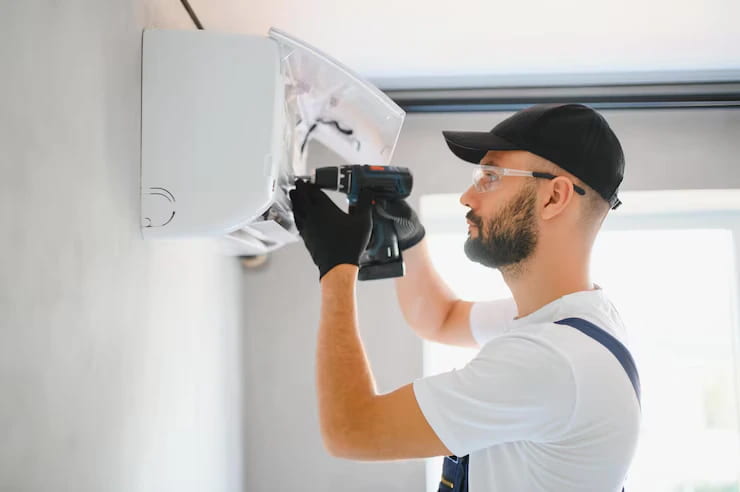
A well-maintained air conditioner operates more efficiently and uses less electricity. Regular maintenance, such as cleaning filters, checking for leaks, and ensuring proper coolant levels, helps your system run smoothly. Scheduling an annual professional best aircon repair service ensures your unit is operating at peak efficiency, which can prevent costly repairs and reduce energy use. Even minor issues, like clogged vents or dirty coils, can increase electricity consumption significantly, so staying proactive is key.
8. Use Smart Thermostats
Modern thermostats allow for precise temperature control and can learn your daily routines to optimize cooling without wasting energy. Programmable thermostats can automatically raise temperatures when you’re away and lower them when you’re home, keeping comfort levels high while reducing unnecessary energy usage. Some smart systems even integrate with weather forecasts, adjusting settings based on expected outdoor temperatures to save energy efficiently.
9. Zone Your Cooling
Not every room in your home needs the same level of cooling. By closing doors to unused rooms and focusing on cooling occupied spaces, you can reduce the workload on your air conditioner. Portable or window units can also be used strategically to target specific areas, preventing the energy waste associated with cooling the entire home uniformly.
10. Optimize Humidity Levels
High humidity makes heat feel more oppressive, even if the actual temperature is moderate. Using dehumidifiers or ensuring your AC system’s humidity control is functioning properly can make your home feel cooler and more comfortable. Lowering humidity allows you to set the thermostat a few degrees higher without sacrificing comfort, which in turn reduces energy bills.
11. Employ Heat-Reflective Surfaces
Materials inside your home can absorb and radiate heat. Light-colored flooring, walls, and furniture reflect rather than trap heat, helping maintain cooler indoor temperatures. If you’re renovating or redecorating, consider finishes and furnishings that contribute to a more energy-efficient environment.
12. Close Unused Rooms
Rooms that aren’t in use can be closed off, reducing the volume of air your cooling system needs to maintain. Shutting doors and vents to these spaces ensures that cooled air is focused where it’s most needed, which improves efficiency and reduces the overall energy load.
13. Use Curtains and Window Treatments Strategically
Thermal or blackout curtains not only block sunlight but also act as an additional layer of insulation. During the day, keep them closed on sun-facing windows to prevent heat from entering. At night, opening them can allow cool breezes to flow in. Layering curtains with blinds or shades can maximize effectiveness without compromising on natural light when desired.
14. Consider Energy-Efficient Upgrades
If your cooling system is older, investing in an energy-efficient unit can provide long-term savings. Modern air conditioners and heat pumps consume significantly less electricity while providing better cooling performance. Pairing an upgraded system with professional installation and regular aircon service ensures that your investment operates efficiently for years.
15. Adopt Lifestyle Adjustments
Simple daily habits can make a big difference. Wearing light clothing, using fans instead of immediately cranking the AC, and staying hydrated help your body cope with heat more comfortably. Even minor adjustments, like closing doors to rooms with strong sunlight or reducing the use of heat-producing appliances during peak hours, contribute to energy savings.
Conclusion
Keeping your home cool without raising your power bills is achievable through a combination of smart habits, strategic adjustments, and proactive system maintenance. By optimizing ventilation, using fans effectively, shading windows, insulating your home, and maintaining your cooling equipment, you can create a comfortable living environment while keeping energy costs in check. Small lifestyle changes, paired with professional aircon service when needed, ensure both comfort and efficiency. Over time, these strategies not only save money but also contribute to a more sustainable and energy-conscious lifestyle.
Submit guest articles that reach decision-makers, influencers, and professionals. Yarabook offers a trusted platform for quality content, strong backlinks, and SEO-driven visibility. Pay. Publish. Promote.