

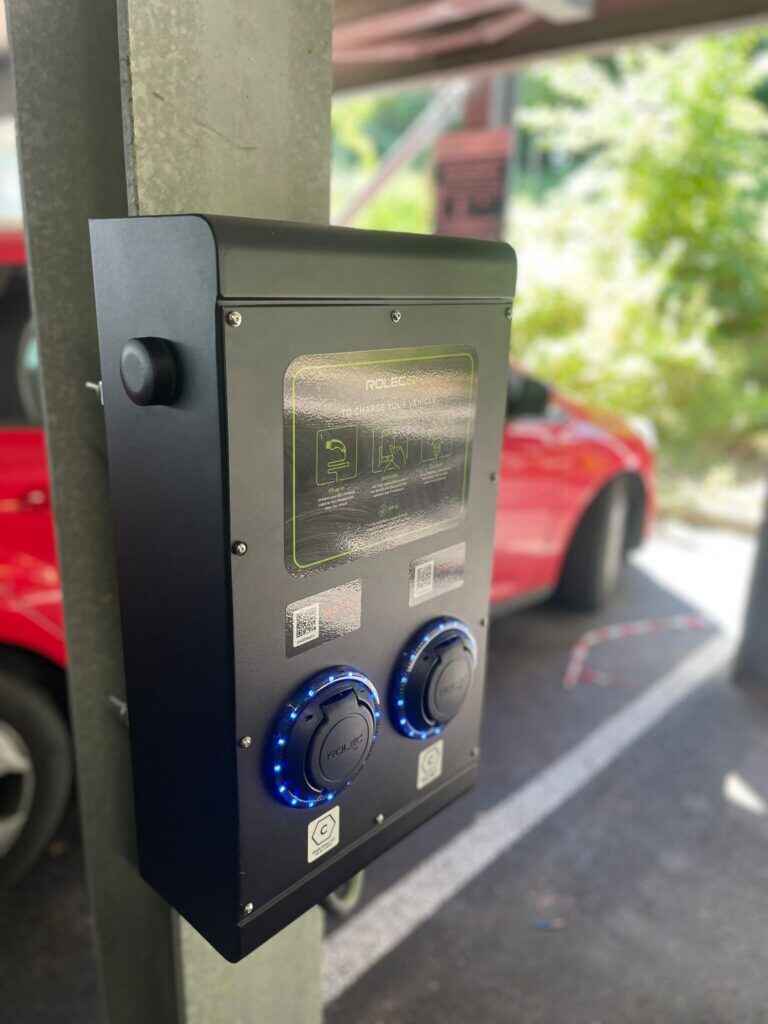
Installing an electric vehicle (EV) charger is an essential step for EV owners who want the convenience of charging at home or work. However, understanding the power requirements for EV charger installation is crucial for a safe and efficient setup.
This comprehensive guide explains everything you need to know about EV charger installation: power types, electrical requirements, cost considerations, regulations, grants, and practical tips. By the end, you’ll understand what is involved in installing an EV charger and how to prepare your property properly.
Every EV charger draws a significant amount of electricity. If your property’s electrical supply isn’t suitable, the following problems may arise:
Slow charging speeds that can leave your vehicle undercharged
Tripped circuits or blown fuses
Overloaded consumer units
Potential safety hazards and fire risks
Properly assessing your electrical supply before EV charger installation ensures that the system operates safely, charges efficiently, and meets legal regulations. This is why professional EV charger installation is always recommended.
There are several types of EV chargers, each with different power requirements. Choosing the correct one depends on your property’s electrical system and your charging needs.
Power: ~2.3 kW
Voltage: 230V single-phase
Charging time: 12–24 hours for a full charge
While convenient for occasional use, these chargers are not ideal for regular EV use because they charge slowly and can strain standard household circuits. They are usually temporary solutions rather than permanent EV charger installation options.
Power supply: Single-phase electricity
Voltage: 230V
Charging time: 6–8 hours
7kW chargers are the standard choice for most home EV charger installations in the UK. They offer a good balance of charging speed, installation cost, and compatibility with existing household electrical systems.
Power supply: Three-phase electricity
Voltage: 400V
Charging time: 4–6 hours
This type is typically installed in larger homes or small commercial buildings where three-phase power is available. The higher output allows faster charging and can support multiple vehicles if needed.
Power supply: Three-phase electricity
Charging time: 2–4 hours
22kW chargers are mostly used in commercial installations, such as workplace charging or public charging stations. They require robust electrical infrastructure and professional installation.
Not every property needs a power upgrade, but some may require it. The key factors include:
Main fuse rating: Determines the maximum electrical load your home can handle
Consumer unit capacity: Must accommodate the charger without overloading
Existing electrical load: Appliances, heating, and lighting all affect capacity
Earthing system: Proper grounding is essential for safety
Cable routes: Long or complicated cable runs may need larger conductors
A professional installer will assess your home and determine whether an upgrade is necessary. Attempting EV charger installation without considering these factors could lead to inefficiency, repeated faults, or serious safety issues.
Standard in most UK homes
Supports up to 7kW chargers
Cheaper and simpler to install
Adequate for most EV owners
Found in larger homes, commercial premises, or industrial properties
Required for 11kW and 22kW chargers
Allows faster charging and supports multiple vehicles
Installation is more complex and costly
Most residential EV charger installations are single-phase, making 7kW chargers the most popular choice.
Modern EV chargers often include dynamic load balancing, which adjusts charging based on total household electricity consumption. Benefits include:
Prevents overloading circuits
Optimizes charging speed
Avoids the need for costly electrical upgrades in many cases
Load balancing is particularly useful for households with high energy demands from appliances or heating systems.
Smart chargers improve power management and can even reduce costs:
Schedule charging during off-peak hours
Integrate with solar panels to use renewable energy
Monitor energy usage via apps for insights and efficiency
Enable remote control and notifications
Installing a smart charger during EV charger installation adds long-term benefits and supports sustainable energy use.
Professional EV charger installation must comply with UK regulations:
BS 7671 wiring regulations
Part P building regulations
Proper earthing and circuit protection
Electrical safety and certification
Hiring a qualified electrician ensures your installation meets all legal and safety standards, reducing the risk of accidents or insurance issues.
Costs can vary widely depending on several factors:
| Charger Type | Typical Power | Installation Complexity | Estimated Cost (UK) |
|---|---|---|---|
| 3-Pin Plug | 2.3 kW | Simple | £300–£500 |
| 7kW Home | Single-phase | Standard | £500–£1,000 |
| 11kW Home/Business | Three-phase | Moderate | £1,000–£1,500 |
| 22kW Commercial | Three-phase | Complex | £1,500–£3,000+ |
Factors influencing cost include cable length, consumer unit upgrades, trenching or wall works, and additional safety measures.
The UK government supports EV adoption through grants:
Electric Vehicle Homecharge Scheme (EVHS):
Offers up to £350 towards home EV charger installation for eligible households
Workplace Charging Scheme (WCS):
Provides grants for businesses installing chargers at work
These incentives can significantly reduce the overall cost of EV charger installation.
Usually single-phase 7kW chargers
Simple installation with minimal disruption
Cost-effective with optional smart features
Often requires three-phase chargers (11–22kW)
May need multiple charging points
Requires detailed planning for load management and user access
Permits or planning consent may be necessary for external installations
Understanding your requirements ensures the right setup for your property.
Ignoring power capacity: Installing a charger without checking supply can overload circuits.
Choosing the wrong charger type: Select a charger suitable for your property and vehicle.
DIY installation: Electrical work must comply with regulations; improper installation is dangerous.
Skipping load balancing: Can lead to tripped breakers and slow charging.
Neglecting future needs: Consider adding capacity for additional vehicles or faster chargers.
Typical installations take:
2–4 hours for standard home 7kW chargers
Longer if upgrades, trenching, or complex cabling are required
A pre-installation survey helps provide an accurate timeline and avoids surprises.
An electrician will inspect:
Consumer unit and main fuse
Cable routes and distance to charger location
Earthing and safety requirements
Type of charger suitable for your needs
Decide between 7kW, 11kW, or 22kW based on your property and usage
Consider smart chargers for added control and energy efficiency
Choose a time convenient for minimal disruption
Ensure access to relevant areas for cabling and consumer unit upgrades
Q1: Can I install an EV charger myself?
A: No, EV charger installation must be carried out by a qualified electrician to meet safety standards.
Q2: How much does a home EV charger cost?
A: Standard 7kW home chargers cost £500–£1,000 including installation.
Q3: Do I need planning permission for an EV charger?
A: Generally, no for home chargers. Commercial or external installations may require permission.
Q4: Can I charge multiple vehicles at once?
A: Only with multi-point commercial chargers or a properly balanced three-phase system.
Q5: How long will my EV charger installation take?
A: Most home installations take 2–4 hours; complex setups may take longer.
Understanding power requirements for EV charger installation is crucial for safe, efficient, and future-proof charging. With careful planning, professional installation, and the right charger, EV owners can enjoy convenient, fast charging without overloading their property’s electrical system.
Whether installing at home or for a business, working with a qualified installer ensures compliance with regulations, optimal charging speeds, and the long-term reliability of your EV charging system.
By planning ahead, checking your electrical supply, and considering smart technology and grants, you can make the most out of your EV charger installation while saving money and avoiding common pitfalls.
Submit guest articles that reach decision-makers, influencers, and professionals. Yarabook offers a trusted platform for quality content, strong backlinks, and SEO-driven visibility. Pay. Publish. Promote.