

Selecting a hollow internal door for your home in Vancouver begins with understanding its structure, materials, weight, sound performance, and design features. These doors remain a popular option in many local homes because they are lightweight, easy to handle, and well-suited for closets, utility areas, and other everyday interior spaces.
A door should match the space in which it is installed, support the layout, and work well in daily use. This blog explains the key points that matter when you are looking for a hollow internal door for your Vancouver home. It also outlines what factors affect its cost, durability, and long-term performance.
The goal is to make the selection process simple, so you can compare your options with confidence. Use this guide to pick a hollow internal door that fits the style, function, and layout of your Vancouver home without confusion or guesswork.
Before you start shopping, it helps to understand the main factors that affect the appearance, performance, and long-term value of hollow internal doors in Vancouver, as elsewhere.
Hollow internal doors feature a lightweight frame with a core, often designed as a grid or honeycomb. This design gives the door stability while keeping it easy to handle. The outer layers, usually MDF or veneer, protect the core and give the surface a finished look. Thicker layers provide better resistance to dents and impact, while thinner skins reduce weight and make installation easier.
Even in Vancouver’s temperate climate, the internal framework of a hollow door provides stability and helps the door maintain its shape over time. Understanding the structure, materials, and design of hollow doors helps you make informed choices and select the option that best fits your home’s needs.
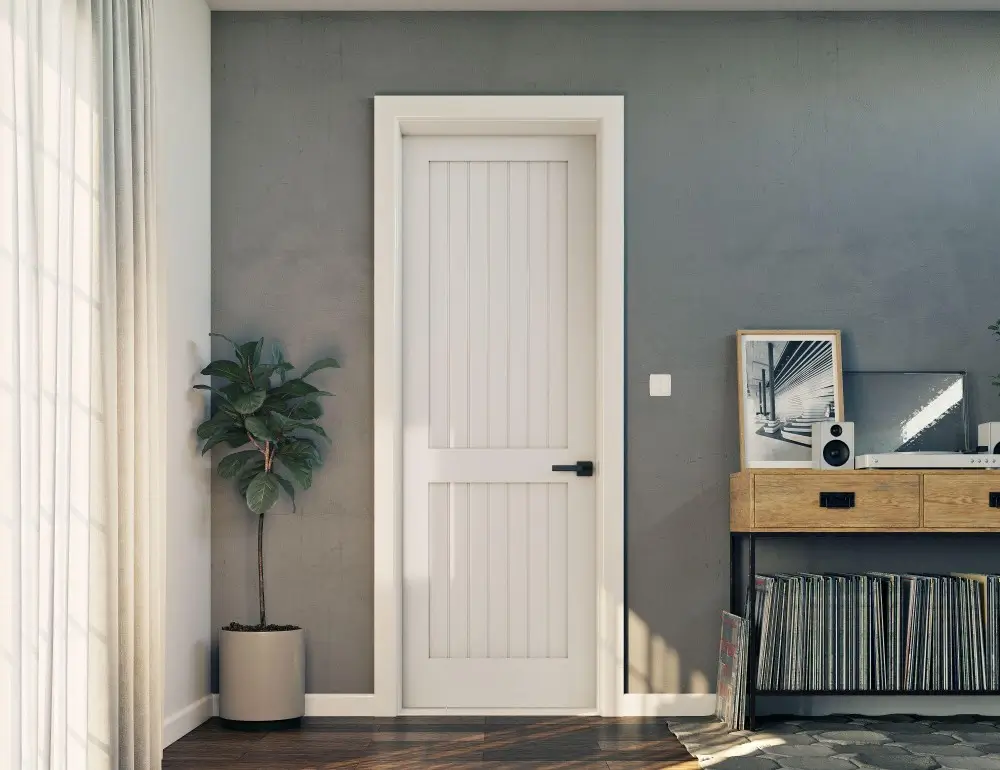
Hollow doors come in flush and panel designs, giving homeowners flexibility in terms of their design. Flush doors have smooth surfaces and fit modern, minimalist spaces. Panel doors, ranging from two-panel to six-panel designs, create depth and a more traditional look.
Edge options, like square or rounded, affect both aesthetics and durability. Rounded edges reduce the risk of chipping, while square edges offer a sharper, more defined line.
Selecting a style that complements your baseboards, casings, and other interior details makes sure the door fits naturally within your home’s design. For multiple doors in a hallway, uniformity enhances visual consistency.
MDF skins are smooth, paintable, and consistent, making them suitable for modern interiors. Wood veneers provide a natural grain and warmer look, even when the core is hollow. Light finishes tend to hide dust and small scratches, while darker finishes highlight contrast and depth.
Flat paints mask minor surface flaws, and semi gloss reflects light but shows marks more easily. Consider how much the door will be handled daily and choose a finish that balances appearance and maintenance. This is especially important for high-traffic areas such as hallways, utility rooms, and entryways.
Each room has unique needs. Bedrooms often benefit from doors that provide privacy. Closets require lightweight, easy-to-use doors and hallways work well with uniform designs that create a cohesive look throughout the home. Hollow doors meet these needs without adding heavy weight.
Hollow wood bedroom doors in Vancouver provide quiet operation, basic privacy, and ease of use. Doors with denser cores can help reduce noise between rooms and may also be slightly more durable in areas with frequent use. Picking a door based on how the room is used helps ensure it has the right features for that space, without adding extra weight, decorations, or unneeded hardware.
Hollow internal doors naturally allow some sound to pass through because of their lightweight core. For closets, utility areas, and hallways, this level of noise transfer is usually acceptable. However, rooms that require privacy or quiet, such as bedrooms, home offices, or media rooms, are better suited to doors with denser cores or solid construction.
Small adjustments, such as adding weatherstripping along the frame or installing a bottom sweep, can help reduce drafts and limit sound leakage. Picking the right core density and finish also contributes to better sound performance. Hollow doors balance practicality and convenience, providing a reasonable level of sound control without the need for heavy or expensive alternatives.
Hollow doors are significantly lighter than solid wood or solid core alternatives, which makes them easier to carry, move, and handle during installation. Their reduced weight puts less strain on door frames and hinges, helping to maintain alignment and prevent sagging. Lighter doors also allow for smoother operation and reduce wear on hardware.
While they are easy to fit with standard hinges and handles, proper alignment is still important to facilitate consistent opening and closing. Their light construction makes hollow doors particularly suitable for spaces with multiple doors, such as long hallways, as handling and adjustments are much simpler.
Taking accurate measurements is essential to ensure that a hollow door fits perfectly into its frame. Measure the height, width, and thickness of the doorframe at multiple points to check for irregularities in the opening. Hollow doors can typically be trimmed slightly, but limits exist to avoid exposing the core or weakening the structure.
Standard sizes accommodate most residential openings, but custom measurements may be needed for unusual dimensions. Correct swing direction, hinge placement, and spacing between the door and frame are crucial for smooth operation. Proper sizing prevents gaps, rubbing, or alignment issues, making sure that the door functions effectively while maintaining its aesthetic appeal.
Although hollow doors are lighter and less dense than solid doors, they are designed to withstand normal everyday use. They can handle repeated opening and closing without warping or losing shape. Minor dents, scratches, or surface blemishes can be repaired, and thicker door skins provide improved resistance to impact.
Regular maintenance, such as tightening hinges and cleaning surfaces, helps the door retain its functionality. Hollow doors are ideal for spaces like bedrooms, closets, and hallways, offering a reliable balance of durability and lightweight convenience without the need for solid, heavier alternatives.
Panel designs affect both the look and feel of the door. Raised panels give depth and create visual shadows that can make the door appear more substantial. Recessed panels offer a calmer, more subtle appearance that fits modern interiors. Shaker-style panels are especially popular because they combine simplicity with versatility, making them suitable for bedrooms, hallways, and closets.
The number of panels also affects cleaning, with more panels meaning more edges and grooves to wipe down. When selecting a panel layout, consider how it interacts with your wall textures, baseboards, and other trim. A well-chosen panel design can enhance the room’s aesthetic without adding unnecessary weight. Panel doors are particularly effective in spaces where the door is a visible design element.
For hollow internal doors to function correctly and last long, focus on these essentials:
Achieve interior harmony by matching door styles and finishes to your home’s current décor. Whether blending with neutrals or creating a focal point, maintain visual consistency across hallways and trim to ensure a seamless, cohesive look.
Hollow doors are a lightweight, budget-friendly alternative to heavy solid core or high-maintenance wood options. While solid doors offer superior soundproofing, hollow doors are perfect for low-traffic areas like closets and bedrooms. A practical strategy is to mix both types: use solid doors where privacy is key, and hollow doors elsewhere to save on cost and installation effort.
Picking the right hollow internal door for a Vancouver home is simpler when you consider its structure, style, weight, and function. Hollow doors are practical, light, and suitable for bedrooms, closets, hallways, and other interior spaces. Features like core type, panel design, finish, and installation affect its durability and performance. Accurate measurements and proper installation facilitate smooth operation, while attention to style maintains interior harmony. Hollow doors offer a reliable, functional, and affordable solution for most interior needs. This guide provides homeowners with clear steps to select a door that fits both practical requirements and aesthetic preferences, making the selection process easier and helping you achieve a balanced, functional home environment.
Submit guest articles that reach decision-makers, influencers, and professionals. Yarabook offers a trusted platform for quality content, strong backlinks, and SEO-driven visibility. Pay. Publish. Promote.