

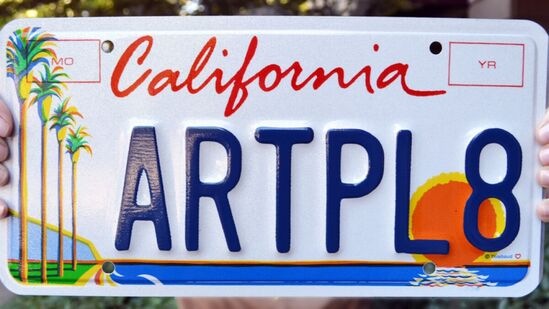
Ordering a California license plate is a required step for legally operating a vehicle in the state. Whether you are buying a new car, transferring ownership, moving from another state, or replacing damaged plates, California has a clearly defined process managed by the Department of Motor Vehicles (DMV). Knowing how the system works can help you save time, avoid mistakes, and receive your plates without unnecessary delays.
This guide explains how to order a California license plate, what options are available, and what documents you’ll need.
A California license plate serves as the official identification for your vehicle. The most common option is the standard California license plate, which features the recognizable red “California” script on a white background. These plates are automatically issued during vehicle registration.
In addition to standard plates, California offers several other options:
Specialty license plates, which support causes such as environmental protection, arts education, veterans, and universities
Personalized license plates, allowing custom letter and number combinations
Personalized specialty plates, combining both customization and special designs
Each California license plate type comes with different fees and processing times.
You may need to order or request a California license plate in several situations, including:
Purchasing a new or used vehicle
Registering a vehicle after moving to California
Replacing lost, stolen, or damaged plates
Switching to a personalized or specialty plate
Re-registering a vehicle after an expired registration
In most cases, the license plate is issued as part of the registration process.
For standard plates, the process is usually straightforward.
Step 1: Gather Required Documents
Before applying, make sure you have:
Vehicle title or bill of sale
Valid identification
Proof of insurance
Smog certification (if required)
Payment for registration fees
Step 2: Submit Your Application
If you buy a vehicle from a dealership, the dealer typically submits all paperwork for you. If not, you can apply through the DMV either in person or through approved registration services.
Step 3: Pay Registration Fees
Standard California license plates are generally included in the vehicle registration cost, though additional fees may apply depending on the vehicle type and location.
Step 4: Receive Your Plates
Once approved, your California license plate is produced and mailed to the address on file. Temporary registration may be issued while you wait.
Drivers who want a unique look or want to support a cause can order personalized or specialty plates. California offers hundreds of designs, including cultural, environmental, and military-themed plates.
To order one:
Choose the plate type and design
Check availability for your desired personalized combination
Submit an application online or by mail
Pay the additional plate fees
Personalized California license plates must follow DMV rules. Combinations that are offensive, misleading, or inappropriate will be rejected, even if they appear available at first.
The cost of a California license plate depends on the type:
Standard plates are usually included with registration
Specialty plates include extra fees that support specific programs
Personalized plates have higher initial and annual renewal fees
Processing time varies. Standard plates often arrive within a few weeks, while personalized or specialty plates may take several months due to extra review and manufacturing steps.
If your California license plate is lost, stolen, or damaged, you should replace it promptly. Driving without proper plates can result in fines or penalties.
To replace a plate:
Report theft to law enforcement if applicable
Complete the DMV replacement application
Pay the replacement fee
Wait for your new plates to be mailed
Damaged plates should also be replaced if they are unreadable or bent, as this can cause issues with law enforcement or toll systems.
Double-check all information before submitting forms
Ensure your mailing address is correct
Keep copies of all paperwork and receipts
Check personalized plate availability early
For detailed guidance, updates, and educational resources related to California plates, many drivers rely on independent informational platforms like https://calicenseplate.com/ guides to better understand the process.
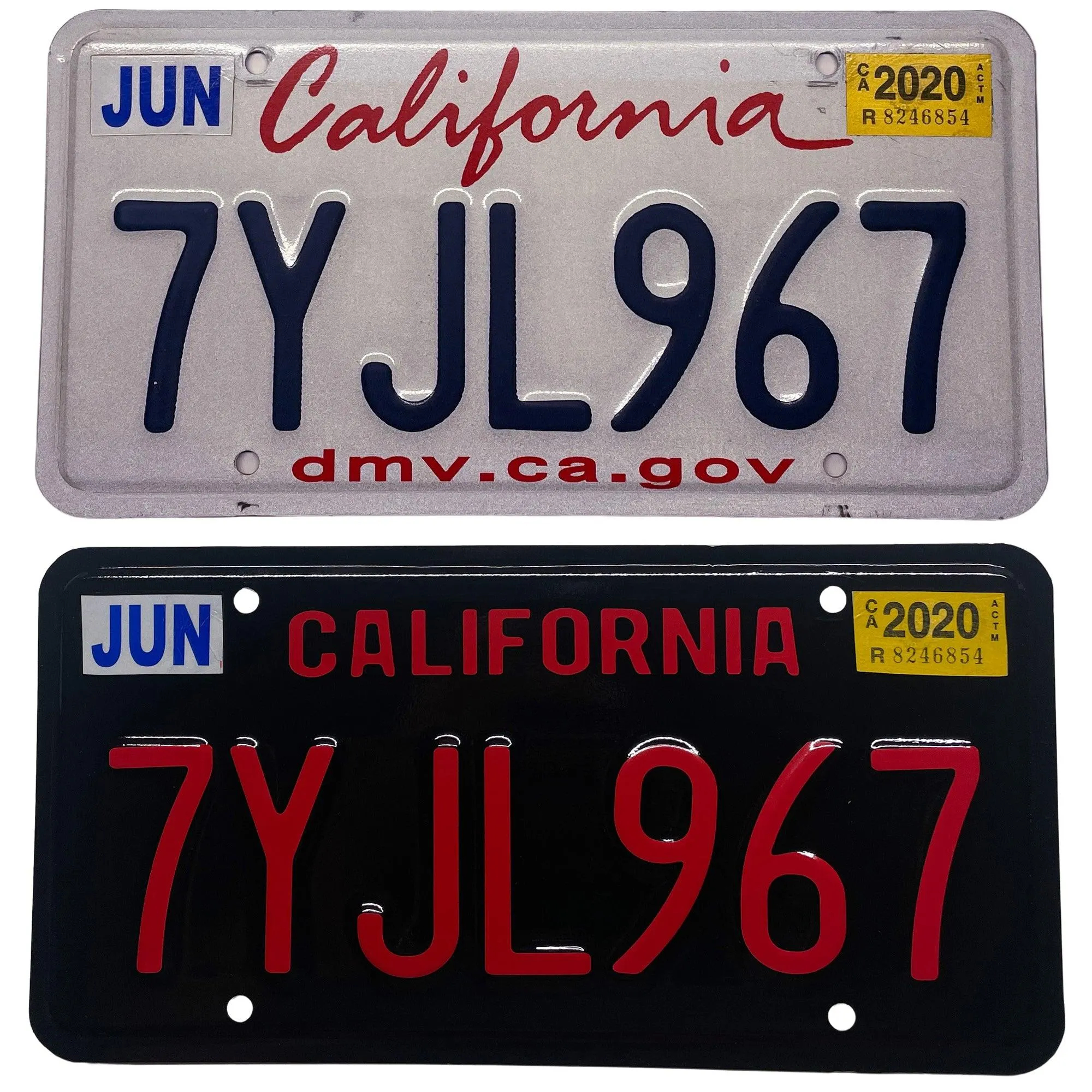
Ordering a California license plate is a manageable process when you know what to expect. From standard plates issued during registration to personalized and specialty options, California offers flexibility for vehicle owners. By preparing the required documents, choosing the right plate type, and allowing enough processing time, you can ensure a smooth and hassle-free experience when ordering your California license plate.
Submit guest articles that reach decision-makers, influencers, and professionals. Yarabook offers a trusted platform for quality content, strong backlinks, and SEO-driven visibility. Pay. Publish. Promote.