

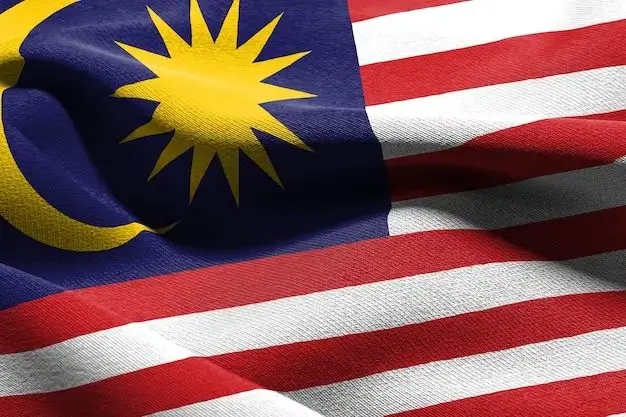
Debt recovery remains a critical concern for cross-border trade, particularly when transactions involve differing legal systems and commercial practices. Debt collection in Malaysia is governed by a structured legal framework that offers creditors viable judicial remedies, provided the correct procedures are followed.
Malaysia operates under a common law system, with debt recovery primarily handled through civil litigation. Creditors seeking to initiate judicial proceedings must first establish the existence of a legally enforceable debt. This typically requires clear documentation such as contracts, invoices, delivery receipts, and correspondence confirming the obligation. For Indian exporters, maintaining detailed and well-organized records is essential, as Malaysian courts place strong emphasis on documentary evidence.
The process generally begins with a formal letter of demand. This step is not merely procedural; it often serves as a final opportunity for amicable settlement. If the debtor fails to respond or disputes the claim without merit, the creditor may file a civil suit in the appropriate Malaysian court. Claims below a certain monetary threshold are handled by the Magistrates’ or Sessions Courts, while higher-value disputes are brought before the High Court.
One of the most efficient tools in debt collection in Malaysia is the summary judgment procedure. Where the debtor has no valid defense, the court may grant judgment without a full trial, significantly reducing time and costs. This mechanism is particularly useful for straightforward commercial debts arising from unpaid invoices.
Upon obtaining a judgment, enforcement becomes the next priority. Malaysian law provides several enforcement options, including writs of seizure and sale, garnishee proceedings (targeting bank accounts or third-party debts), and bankruptcy or winding-up actions for individual and corporate debtors respectively. Each method has strategic implications, and creditors should select the approach that maximizes recovery potential.
For Indian exporters, several practical recommendations can improve the likelihood of successful recovery:
First, incorporate clear dispute resolution clauses in contracts, specifying Malaysian jurisdiction where appropriate. This avoids jurisdictional challenges and accelerates legal action.
Second, conduct thorough due diligence on Malaysian buyers before extending credit. Understanding the financial standing and reputation of a counterparty can prevent future disputes.
Third, act promptly when payment delays arise. Malaysian courts may view prolonged inaction unfavorably, and early intervention increases the chances of recovery.
Fourth, consider engaging local legal counsel experienced in debt collection in Malaysia. Familiarity with court procedures, language requirements, and enforcement mechanisms is crucial for navigating the system efficiently.
Finally, explore the possibility of settlement even after proceedings have commenced. Malaysian courts encourage negotiated resolutions, and a structured settlement may yield faster results than prolonged litigation.
In conclusion, while cross-border debt recovery presents challenges, Malaysia offers a creditor-friendly legal environment when approached strategically. Indian exporters who combine strong contractual practices with timely legal action and local expertise can significantly enhance their chances of recovering outstanding debts.
According to the publication published on the Grandliga website.
Submit guest articles that reach decision-makers, influencers, and professionals. Yarabook offers a trusted platform for quality content, strong backlinks, and SEO-driven visibility. Pay. Publish. Promote.