

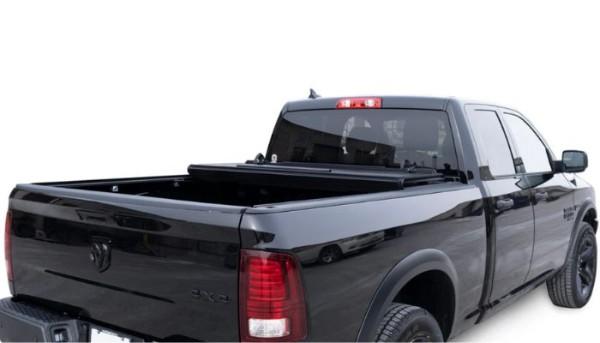
Choosing the right tonneau cover for your RAM truck starts with one simple question: What size bed do you have?
The fit of your tonneau cover affects not just looks, but functionality, water resistance, ease of use, cargo protection, and overall satisfaction.
In this guide, we explore how tonneau covers fit on RAM short beds versus RAM long beds. You’ll learn the key differences, what to measure, how different covers behave, and which styles work best for each bed length.
RAM trucks typically come with several bed lengths, but the two most common are:
Short Bed: Usually around 5’7″ (67 inches)
Long Bed: Usually around 6’4″ (76 inches) or more
Exact dimensions can vary slightly by model year and trim, so always check the measurement before buying.
The length affects how a tonneau cover fits and performs.
A tonneau cover that fits poorly can lead to:
Water intrusion
Wind noise
Loose edges
Reduced security
Premature wear
Bed size determines not only the cover length but also the angle and tension of the cover. A cover that’s too short or too long simply won’t seal the bed correctly.
Before you buy, measure your truck bed.
Steps to measure:
Measure from the inside of the tailgate to the inside of the bulkhead.
Measure at the bed rails (not through the wheel wells).
Round up measurements to the nearest inch.
This gives you the correct length for your tonneau cover, whether it’s soft-roll, folding, retractable, or one-piece hard cover.
Short beds are compact and popular among daily drivers, urban commuters, and city truck owners.
Short-bed covers sit closer to the cab. This often makes:
Tension even across the bed
Water run-off more consistent
Retractable systems less prone to binding
Soft roll-up covers — light, adjustable, and budget-friendly
Hard folding covers — secure and neat
Retractable covers — smooth operation and full-bed access
One-piece hard covers — maximum security and a clean look
Ensure the clamps reach the rail edges without interference
Check that retractable tracks are positioned properly
Avoid too-tight installations that may bind on opening
Short beds are easier to seal tightly, but they leave less room for error.
Long beds have extra cargo room. That’s great for hauling bigger gear, tools, or weekend equipment. But that extra length affects the tonneau cover fit.
Long-bed covers stretch further and must maintain tension across more surface area.
This can mean:
More noticeable sag if tension isn’t adjusted
A greater need for proper weather sealing
More potential for wind lift at higher speeds (if not installed right)
Hard folding covers — excellent rigidity and stability
Retractable covers — smooth even across longer spans
One-piece hard covers — strong and flush look
Tri-fold soft covers with support bars — prevents sag
Make sure support bars are in place (if applicable)
Measure tracks and rails precisely to avoid gaps
Test for flex in long spans—especially at the tailgate
Long beds offer great coverage but demand precise installation.
Here’s what to expect when comparing how different styles perform on short and long beds.
Short Bed: Easier to seal tightly; water tends to run off smoothly
Long Bed: Slightly larger surface to protect; requires perfect alignment and seals
Short Bed: Often quieter due to shorter span
Long Bed: Can pick up wind at high highway speeds if not installed correctly
Short Bed: Slightly easier due to smaller size
Long Bed: Needs more careful alignment and support
Short Bed: All cover styles work well
Long Bed: Hard covers and retractable covers often offer the best security across the span
No matter your bed, these steps help every tonneau cover fit and perform its best:
Clean the bed rails before installing
Measure twice before ordering the cover
Clamp hardware snugly (but don’t overtighten)
Check for proper seal from front to tailgate
Test opening and closing multiple times
Adjust tension if available
Proper installation reduces wind noise, prevents leaks, and ensures a longer cover lifespan.
Cause: Incorrect length or misaligned rails
Solution: Re-measure, reposition, tighten clamps
Cause: Soft materials, lack of support bars
Solution: Add tension or install support bars
Cause: Loose clamps or improper seal
Solution: Tighten hardware, check weather seals
Cause: Misaligned install
Solution: Loosen clamps, realign, tighten evenly
Do all tonneau covers fit the same RAM 1500 models?
No—always match the exact year, bed length, and rail style.
Can I install a tonneau cover myself?
Yes, most covers are DIY-friendly, but precise measurements matter.
Does a tonneau cover affect fuel economy?
A well-fitted cover can reduce drag and slightly improve economy.
What if I have a bed liner or factory rails?
Measure with the liner installed; certain covers have specific rail kits.
How important is exact measurement?
Very. Even one inch off can cause water intrusion or poor fit.
A great tonneau cover fit begins with accurate measurements and choosing the right style for your bed length. Short beds generally make installation easier and provide excellent sealing with a wide range of covers. Long beds require careful measurement and a supportive design, but they offer maximum cargo area and flexibility.
Whether you drive a short-bed RAM 1500 or a long-bed version, understanding fit differences helps you choose a cover that looks great, functions reliably, and protects your gear for years.
Submit guest articles that reach decision-makers, influencers, and professionals. Yarabook offers a trusted platform for quality content, strong backlinks, and SEO-driven visibility. Pay. Publish. Promote.