

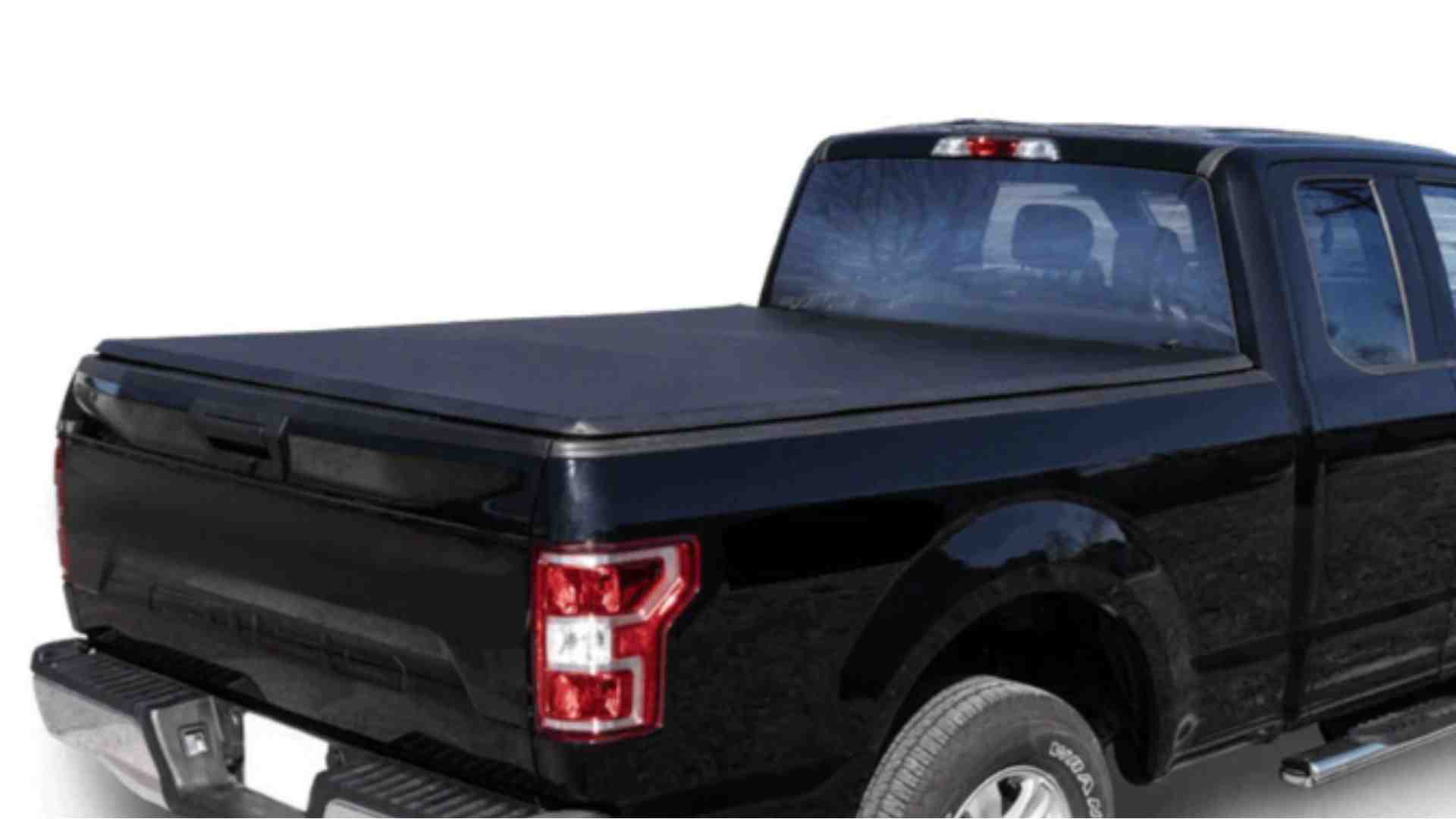
A tonneau cover is an investment—not just an accessory. Truck owners expect it to withstand harsh weather, frequent use, heavy loads, and years of exposure without failing. But not all tonneau covers are built the same. Understanding what truly makes a tonneau cover durable and long-lasting can help you choose one that delivers real value over time.
This guide breaks down the key factors that determine a tonneau cover’s strength, lifespan, and performance in real-world conditions.
The material used in a tonneau cover plays the biggest role in its durability.
Aluminum panels offer excellent strength, corrosion resistance, and lightweight performance. They are commonly used in hard folding and retractable covers.
Fiberglass provides a rigid, premium feel with strong impact resistance and long-term durability.
Heavy-duty vinyl (often marine-grade) resists tearing, fading, and cracking when treated with UV inhibitors.
ABS composite materials balance durability and weight while resisting warping and moisture damage.
Low-quality materials may look fine initially but often degrade quickly under sun exposure, moisture, and temperature changes.
A durable tonneau cover must perform in all weather conditions—rain, snow, dust, heat, and cold.
Long-lasting covers include:
Tight weather seals along bed rails and tailgate
Water-resistant coatings or layered construction
Rust-proof hardware and fasteners
Poor sealing allows water intrusion, which can damage cargo and weaken the cover over time. A strong sealing system ensures consistent performance year-round.
Constant exposure to sunlight is one of the biggest threats to tonneau cover longevity. Without UV protection, materials can fade, crack, or become brittle.
Durable tonneau covers are designed with:
UV-stabilized vinyl or coatings
Powder-coated aluminum finishes
Fade-resistant surface treatments
This protection not only preserves appearance but also prevents material breakdown, extending the cover’s usable life.
Durability isn’t just about the top surface—it’s also about what’s underneath.
A long-lasting tonneau cover features:
Reinforced frames or internal support ribs
Even weight distribution across panels
Secure hinge systems for folding covers
These elements prevent sagging, warping, and stress damage, especially when the cover is frequently opened, closed, or driven at highway speeds.
Repeated use puts stress on locks, clamps, and latches. Weak components often fail first.
High-quality tonneau covers use:
Metal latches instead of plastic
Reinforced locking rails
Precision-fit clamps that don’t loosen over time
Reliable hardware ensures the cover stays secure, aligned, and functional even after years of daily use.
Even the most durable materials won’t last if the cover doesn’t fit correctly.
A well-fitted tonneau cover:
Matches your truck’s exact make, model, and bed length
Sits evenly on bed rails
Prevents excessive movement or vibration
Poor fit leads to wind noise, water leaks, stress points, and premature wear. Durability starts with correct fitment.
Covers designed for smooth operation tend to last longer. When opening or closing requires excessive force, stress builds up in hinges, seals, and panels.
Long-lasting designs focus on:
Smooth folding or rolling action
Balanced tension systems
Minimal resistance during operation
Ease of use reduces wear and tear, preserving the cover’s integrity over time.
Durable tonneau covers are easy to maintain, encouraging regular care.
Features that support longevity include:
Easy-to-clean surfaces
Accessible seals and clamps
Corrosion-resistant components
Simple maintenance—like cleaning, checking seals, and tightening hardware—goes a long way in extending the life of the cover.
Covers built for longevity are tested against:
High-speed wind resistance
Heavy rain and temperature extremes
Repeated opening and closing cycles
Manufacturers that focus on real-world durability design products that hold up under daily driving, work use, and long trips.
A durable, long-lasting tonneau cover is the result of thoughtful design, premium materials, strong construction, and proper fit. While cheaper options may seem appealing, they often fall short in performance and lifespan.
When choosing a tonneau cover, look beyond price and focus on build quality, weather resistance, hardware strength, and everyday usability. A well-built tonneau cover not only protects your cargo—but also protects your investment for years to come.
Hard tonneau covers—especially those made from aluminum or fiberglass—tend to last the longest. They offer superior resistance to weather, impact, and wear compared to soft vinyl covers, making them ideal for long-term use.
A high-quality tonneau cover can last anywhere from 5 to 10 years or more, depending on material, usage, weather exposure, and maintenance. Proper care significantly extends its lifespan.
Yes. Constant exposure to sun, rain, snow, and dust can degrade low-quality covers. Durable tonneau covers use UV-resistant materials, weather seals, and corrosion-resistant hardware to withstand harsh conditions.
Generally, yes. Hard tonneau covers provide better structural strength, security, and resistance to damage. Soft covers are flexible and affordable but may wear out faster under heavy use or extreme weather.
To extend the life of your tonneau cover:
Clean it regularly with mild soap
Inspect seals and clamps periodically
Tighten hardware when needed
Avoid overloading or forcing panels
Routine maintenance helps prevent premature wear.
Lower-quality covers may fade, crack, or become brittle. Durable tonneau covers include UV-protective coatings or finishes that resist fading and maintain appearance for years.
Absolutely. A poorly fitted tonneau cover experiences excess movement, wind stress, and water leakage, leading to faster wear. A cover designed specifically for your truck’s make, model, and bed size will last longer.
Most aluminum tonneau covers are powder-coated or treated to resist corrosion. When properly maintained, they do not rust and are well-suited for wet or humid environments.
Not always, but higher-priced covers typically use better materials, stronger hardware, and improved sealing systems. Durability depends more on build quality and design than price alone.
Frequent use does not significantly reduce lifespan if the cover is well-built and designed for smooth operation. Durable covers are tested for repeated opening and closing without performance loss.
Submit guest articles that reach decision-makers, influencers, and professionals. Yarabook offers a trusted platform for quality content, strong backlinks, and SEO-driven visibility. Pay. Publish. Promote.