

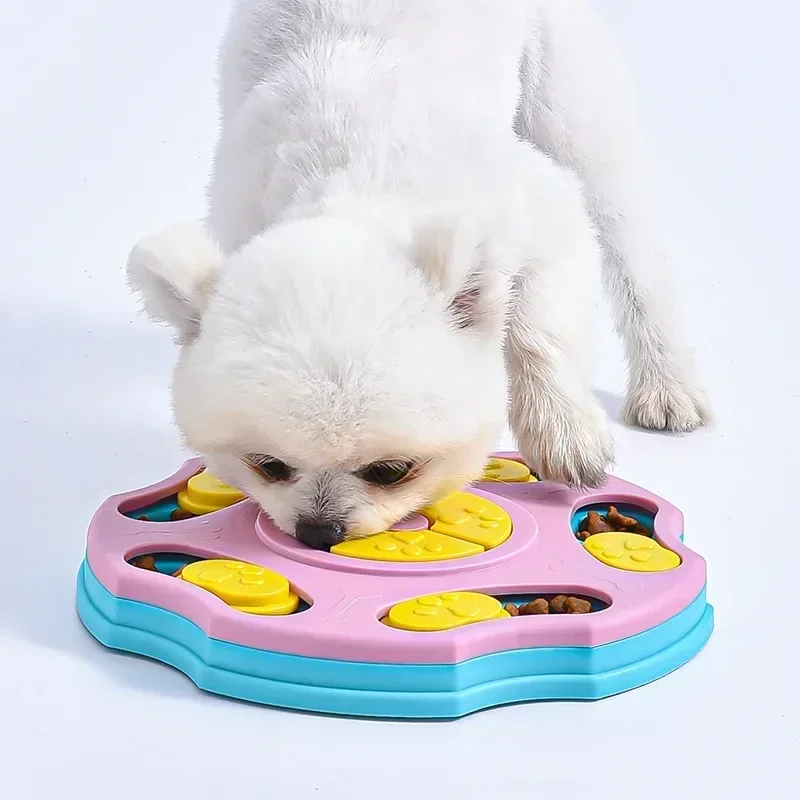
There’s a familiar moment every dog owner experiences. You glance over and see your pup happily chewing away, tail moving, eyes bright, completely absorbed in their toy. But then a small question slips into your mind: Is this thing actually safe for them? Plenty of pet parents have felt this same concern, especially after discovering how many play items contain questionable materials. That is why Non-toxic dog toys have become a growing priority for thoughtful owners who want to keep playtime joyful and worry-free.
This guide walks you through how to choose safer toys, what signs to look for, and how to build a healthier play routine without complicating your daily life.
Before diving into tips or product suggestions, it helps to understand the bigger picture so the decisions feel grounded. Dogs explore the world through their mouth. That means many of the things they chew, tug, and carry around spend a long time pressed against their gums. If the material is poorly made or treated with harsh additives, it creates unnecessary exposure.
A second insight that’s often overlooked is how material quality affects durability. When toys break apart too easily, dogs can swallow small bits. This introduces two risks at once: the physical danger of choking and the chemical danger of ingesting harmful particles. So choosing safer options is not just about avoiding toxins, it’s also about securing stronger construction and reducing long-term replacement costs.
Understanding this connection helps you approach your next purchase with more confidence instead of guessing in the aisle or scrolling endlessly online.
Here’s a simple breakdown that makes the selection process much easier for both new and experienced pet owners.
Transparent brands highlight clean materials clearly. Look for natural rubber, untreated cotton ropes, BPA-free plastics, or plant-based fibers. Clear labels tell you the company is confident about what goes into their products.
A strong chemical odor is usually a red flag. Safe materials tend to have a mild, neutral scent that won’t irritate your dog or transfer to their mouth.
Run your fingers along the seams. Tug gently at the stitching. Safe toys are not just about the materials but also about construction. Weak stitching or loose threads can create hazards as soon as your dog becomes excited.
Gentle chewers enjoy softer options, while energetic chewers need denser, stronger materials. This reduces breakage and makes the toy last longer, offering safer long-term play.
User reviews can reveal strengths and weaknesses you won’t notice from product photos. Owners often report if dyes fade too quickly, if the toy shreds easily, or if it holds up surprisingly well.
Imagine a family adopting a playful pup. Their kids bring home bright, colorful toys from a local shop. The colors begin rubbing off within days. When they learn those dyes may contain unsafe chemicals, they instantly rethink their approach.
Now picture an older dog that loves to relax with soft chewables. Their gums are more delicate than they used to be. Toys made from gentle, untreated fabrics reduce irritation and offer comfort during quiet moments.
Another example comes from households with strong chewers. Large dogs often break weaker toys in minutes. One small tear can turn into a shredded mess fast. With safer materials and dense natural rubber, the risk decreases significantly, giving owners peace of mind and cutting down on constant replacements.
These simple scenarios show why choosing responsibly matters more than it seems.
Here are some easy-to-apply tips you can start using immediately:
Rotate toys often so your dog stays curious while reducing the wear on each toy.
Give new items a short stretch test. Quick pressure checks reveal a lot about durability.
Wash fabric-based toys regularly. It keeps playtime cleaner and extends the life of the material.
Replace damaged toys promptly. Even the safest materials become risky once torn.
Several characteristics separate safer products from the average ones.
Many reliable products use natural rubber tapped from trees, uncolored cotton ropes, or recycled fabric blends processed without harsh chemicals. These materials are kinder to your dog’s mouth and much better for long-term chewing.
Companies that prioritize safety usually avoid synthetic fragrances, heavy dyes, and glue-heavy construction. Instead, they rely on stitching, shaping, and natural color tones to create appealing designs.
A safe toy doesn’t always need flashy colors. Smooth shapes, thicker walls, and reinforced layers prevent unnecessary breakage and help your dog stay engaged without hazards.
Working closely with pet owners over the years shows a consistent pattern: dogs do not need a large pile of toys. They benefit more from a small, carefully curated set made from cleaner materials that encourage healthy chewing and satisfying playtime. When you focus on safety first, everything else—from durability to comfort—improves naturally.
Building a safe toy box doesn’t have to be overwhelming. With a handful of thoughtful choices and a little awareness, you can create a play routine that keeps your dog excited, comfortable, and protected. In the end, your attention to safer options reinforces the value of choosing Non-toxic dog toys as a natural part of caring for the pet you love.
Submit guest articles that reach decision-makers, influencers, and professionals. Yarabook offers a trusted platform for quality content, strong backlinks, and SEO-driven visibility. Pay. Publish. Promote.