

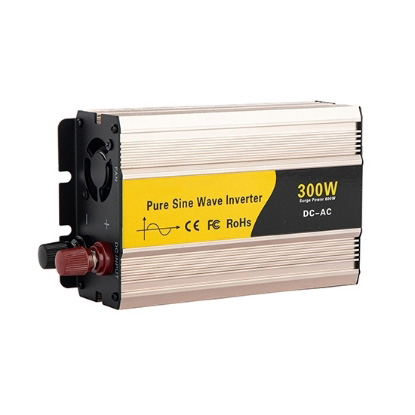
In today’s fast-paced world, electricity is the lifeblood of our daily lives. From charging our smartphones to running our household appliances, we rely heavily on a steady supply of power. But have you ever wondered how the power stored in batteries or generated by solar panels can be converted to run our AC-powered devices? This is where sine wave inverters come into play.
A sine wave inverter is a device that converts direct current (DC) power into alternating current (AC) power. This conversion is essential because most of our household appliances and electronics operate on AC power. Unlike modified sine wave inverters, pure sine wave inverters produce a smooth, continuous waveform that closely mimics the power supplied by utility companies. This makes them ideal for sensitive electronics and appliances that require a stable and clean power supply.
At the core of a sine wave inverter is the process of converting DC power to AC power. The inverter takes the DC input, typically from a battery or a solar panel, and uses electronic circuits to generate a sine wave output. This involves several steps:
1. DC Input: The inverter receives DC power from a source like a 12V, 24V, or 48V battery.
2. Waveform Generation: The inverter’s internal circuitry converts the DC power into a sine wave AC signal. This process involves sophisticated electronics to ensure the waveform is smooth and stable.
3. Output: The resulting AC power is then available to power various devices, with options for different voltages (e.g., 110V, 220V, 230V) and frequencies (50Hz or 60Hz).
Sine wave inverters are incredibly versatile and find applications in a wide range of scenarios:
1. Home Use: They can power household appliances like refrigerators, washing machines, and televisions. For example, a 12V 300W pure sine wave inverter can efficiently run small appliances without causing any damage.
2. Solar Power Systems: In solar setups, sine wave inverters convert the DC power generated by solar panels into usable AC power for homes or businesses.
3. RVs and Boats: These inverters are perfect for providing power to devices in recreational vehicles and boats, ensuring you have a reliable power supply while on the go.
4. Emergency Backup: In case of power outages, sine wave inverters can be connected to batteries to provide backup power for essential devices.
Compared to modified sine wave inverters, pure sine wave inverters offer several advantages:
1. Clean Power: The smooth sine wave output ensures that sensitive electronics, such as audio equipment and computers, operate without interference or damage.
2. Higher Efficiency: Pure sine wave inverters often have higher conversion efficiencies, meaning less energy is wasted as heat.
3. Longer Device Lifespan: The stable power supply helps extend the lifespan of connected devices by reducing electrical stress.
4. Safety Features: Many modern sine wave inverters come with built-in protections against overloads, short circuits, and temperature extremes.
When selecting a sine wave inverter, consider the following factors:
1. Power Capacity: Ensure the inverter’s wattage matches your power needs. For example, a 2000W inverter can handle larger appliances like microwaves and air conditioners.
2. Input Voltage: Choose an inverter that matches the voltage of your power source, such as 12V, 24V, or 48V.
3. Output Voltage and Frequency: Make sure the inverter’s output voltage (110V, 220V, etc.) and frequency (50Hz or 60Hz) are compatible with your devices.
4. Additional Features: Look for features like USB ports, LCD displays, and remote controls for added convenience.
Sine wave inverters are a crucial component in modern power systems, providing a reliable and clean power supply for a variety of applications. Whether you’re looking to power your home during a blackout, run appliances in your RV, or integrate solar power into your lifestyle, a high-quality sine wave inverter is an essential tool. With advancements in technology, these inverters are becoming more efficient and affordable, making them accessible to a wider audience. So, the next time you need to convert DC to AC power, consider the benefits of a pure sine wave inverter for a seamless and efficient power solution.
Submit guest articles that reach decision-makers, influencers, and professionals. Yarabook offers a trusted platform for quality content, strong backlinks, and SEO-driven visibility. Pay. Publish. Promote.