

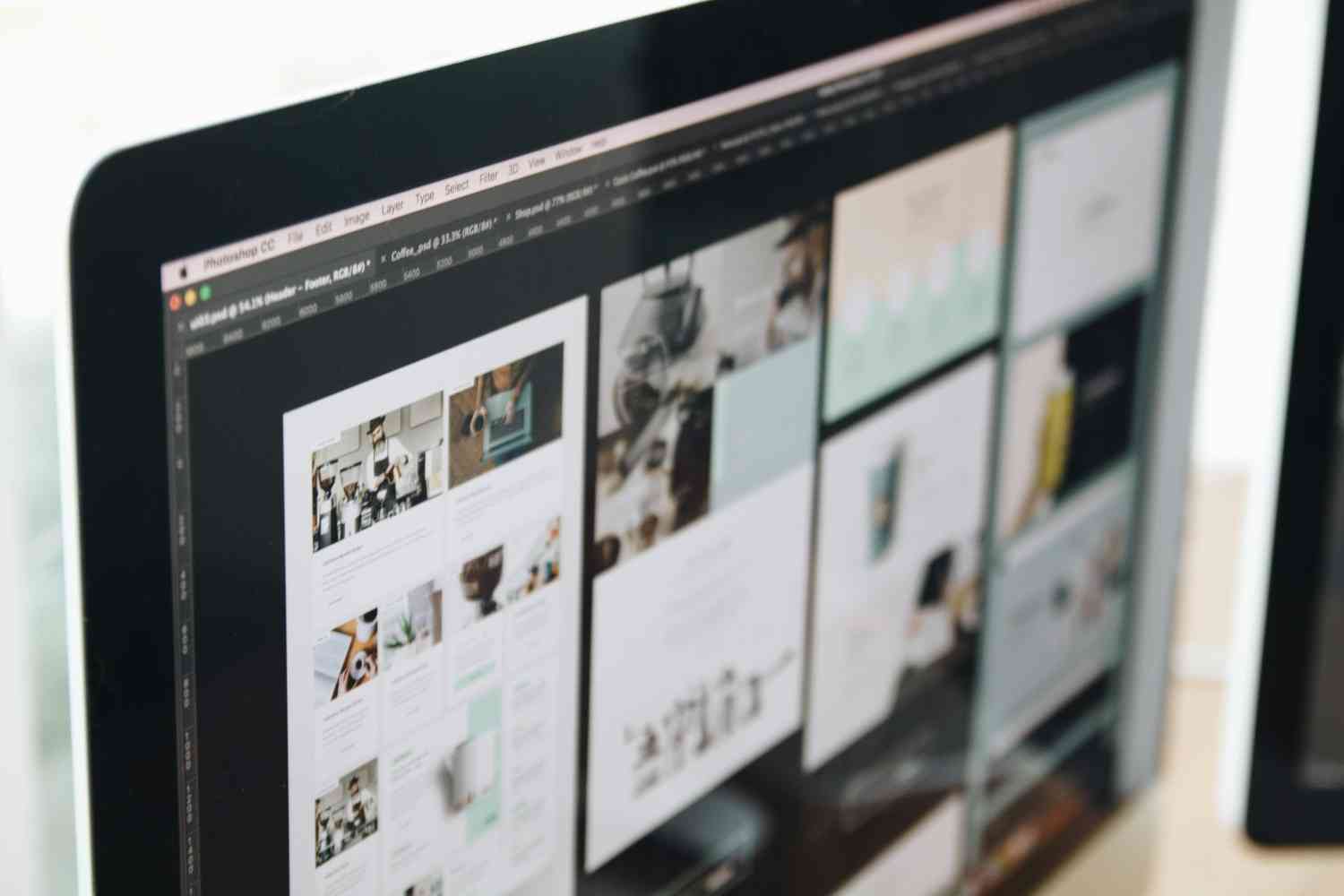
In today’s digital world, a business website is often the first place customers interact with a brand. It works like a virtual storefront that represents credibility, professionalism, and trust. However, many businesses create a website once and continue using it for years without updates. Over time, technology changes, user behaviour evolves, and design trends improve. When a website becomes outdated, it can silently reduce customer trust and business growth.
This guide explains when and why businesses should redesign their website, what problems a redesign solves, and how upgrading helps companies stay competitive in a fast-moving online environment.
A website is not just an online brochure anymore. It is a powerful business tool that helps generate leads, build brand identity, and support marketing efforts. If a website looks old or functions poorly, visitors may leave within seconds.
Modern users expect:
When these expectations are not met, businesses lose potential customers without even realising it.
A redesign improves performance, strengthens branding, and ensures the website supports current business goals rather than holding them back.
Many business owners hesitate to upgrade because their website still “works.” But functionality alone is not enough. Here are the most common problems outdated websites create:
Visitors struggle to find information when navigation is confusing or layouts feel cluttered. This leads to frustration and higher bounce rates.
Today, most users browse using smartphones. Older websites designed only for desktop screens fail to display properly on mobile devices, reducing engagement.
Heavy images, outdated coding, and old hosting systems make pages load slowly. Even a few seconds of delay can cause visitors to leave.
Search engines prioritise modern, fast, and secure websites. Older structures often lack proper optimisation, making ranking difficult.
An outdated design sends the message that the business itself may be outdated or inactive.
A website redesign directly solves these issues by aligning technology, design, and marketing strategy.
Many companies ask the same question: How do we know it’s time for a redesign? Below are clear signs.
Digital trends evolve quickly. Design standards from a few years ago may already feel outdated today.
If services, branding, or the target audience have evolved, the website must reflect the current business direction.
Visitors may be coming to the site but not contacting or purchasing. This usually indicates usability or trust issues.
Older platforms make content updates complicated. Modern systems allow easy management without technical expertise.
If competitor websites feel more modern and engaging, customers may choose them instead.
A well-planned redesign is not only about visual improvement. It addresses real business problems.
Professional layouts and clean design help visitors feel confident about the brand.
Clear calls-to-action encourage visitors to enquire, call, or purchase.
Optimised structure improves loading speed and browsing experience.
Updated visuals ensure consistency across marketing channels.
Modern development frameworks allow easy expansion as businesses grow.
Working with a professional website development agency ensures that redesign decisions are based on strategy rather than guesswork. Experienced teams analyse business goals, customer behaviour, and industry trends before rebuilding the platform.
A reliable agency focuses on:
Instead of simply changing colours or images, they create a system designed to support long-term growth.
Businesses partnering with professionals often see measurable improvements in enquiries, engagement, and online visibility because every design element serves a purpose.
High-quality web design services combine creativity with functionality. Design is not just decoration; it guides how users interact with a website.
Effective design includes:
Good design reduces confusion and helps visitors quickly understand what the business offers. When customers find information easily, they are more likely to take action.
Professional design also improves accessibility, ensuring websites work smoothly for all users regardless of device or screen size.
A redesign should follow a structured approach to achieve real results.
Every redesign begins with understanding objectives such as generating leads, increasing sales, or improving brand awareness.
Knowing customer expectations helps create user-friendly layouts.
Content must clearly explain services and benefits while remaining simple and informative.
Search optimisation ensures visibility in search results and supports digital marketing efforts.
Designing for mobile devices first ensures smooth experiences across all screen sizes.
Fast loading improves both user satisfaction and search ranking.
A redesigned website becomes a central marketing asset. It connects multiple business activities into one system.
For business owners, this means the website works continuously as a sales and communication tool.
Choosing a team with strong industry knowledge reduces risk and improves outcomes. Designpluz Branding Services, a Coimbatore-based company with over 17 years of experience in this industry, understands how business needs evolve with technology.
Having worked with 100+ happy customers, the team recognises common challenges businesses face during digital transformation. Their approach focuses on solving real problems rather than delivering only visual updates.
Experience helps identify what works, what should change, and how to create websites that remain effective for years.
Search engines reward websites that provide better user experiences. A redesign improves several ranking factors:
These improvements help businesses attract organic traffic without depending entirely on paid advertising.
Many redesign projects fail due to poor planning. Avoid these common mistakes:
A strategic approach ensures upgrades improve results instead of causing traffic loss.
Modern websites must adapt to changing technology. Current trends include:
Businesses that upgrade regularly stay ahead of competitors and maintain customer trust.
A website redesign is not an expense, it is a business investment. As customer expectations grow and technology evolves, outdated websites can quietly limit opportunities.
Upgrading at the right time helps businesses:
For business owners, the key is understanding that a website should evolve alongside the company itself. A modern, well-structured platform becomes a powerful tool that communicates value, builds trust, and turns visitors into loyal customers.
When planned carefully and executed with expertise, a website redesign transforms not only how a business looks online but also how effectively it connects with its audience and achieves success in the digital marketplace.
Submit guest articles that reach decision-makers, influencers, and professionals. Yarabook offers a trusted platform for quality content, strong backlinks, and SEO-driven visibility. Pay. Publish. Promote.