

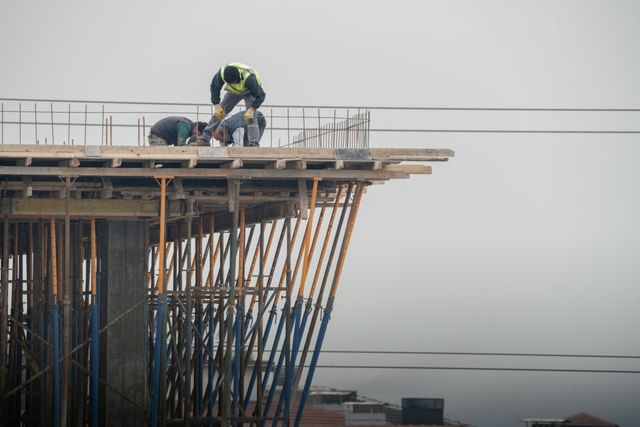
Middleburg has a distinctive character shaped by its historic architecture, rural surroundings, equestrian heritage, and growing business community. Commercial properties must accommodate modern operational requirements while respecting the area’s architectural identity. Successful construction therefore requires more than technical building skills. It calls for thoughtful design, careful site evaluation, effective project management, and coordination between architects, contractors, engineers, and specialized trades.
Commercial construction projects vary considerably depending on the intended use of a property. An office building must provide productive workspaces, reliable building systems, and room for future growth. A restaurant needs an efficient kitchen layout, suitable customer areas, and infrastructure that supports daily operations. Event venues require carefully planned gathering spaces, accessible facilities, and appropriate indoor and outdoor features.
In Middleburg, these requirements must also be considered alongside local development conditions. Some properties are located near the town center, where architectural character and preservation considerations may influence design decisions. Others are situated in more rural areas, where access to public utilities may be limited and additional site preparation may be necessary.
Working with a commercial construction Middleburg VA team that understands these different conditions helps property owners make informed decisions before construction begins. Early planning can identify potential obstacles, establish realistic budgets, and create a practical path toward project completion.
A well-designed office building supports productivity, employee comfort, and professional business operations. Companies need spaces that accommodate their current teams while providing flexibility as their operations develop. Factors such as natural lighting, interior layouts, ventilation, accessibility, and energy performance all contribute to a successful workplace.
Office construction typically involves several coordinated stages, including site evaluation, excavation, foundation work, structural construction, utility installation, and interior finishing. Each phase must align with the overall design and applicable building requirements.
Businesses may also consider renovations when an existing property no longer meets their needs. Updating interior spaces, improving building systems, or expanding usable areas can provide an effective alternative to developing an entirely new facility. Careful construction planning helps maintain functionality while improving the property’s overall performance.
Retail stores and restaurants depend on spaces that create positive customer experiences while supporting efficient daily operations. The building’s layout, exterior appearance, lighting, materials, and accessibility can influence how customers interact with the business.
Retail construction requires attention to storefront visibility, display areas, customer circulation, storage, and service facilities. Restaurant projects involve additional considerations, including commercial kitchen requirements, ventilation, plumbing, electrical systems, food preparation areas, and dining layouts.
A commercial construction company in Middleburg VA can help coordinate these elements from initial planning through final installation. Custom construction also gives business owners greater flexibility to incorporate their branding, operational requirements, and preferred architectural style into the finished property.
Middleburg’s scenic surroundings make it an appealing location for weddings, private celebrations, corporate gatherings, and community events. Developing an event venue requires a balance between visual appeal and practical functionality.
Projects may include custom event barns, reception halls, conference spaces, outdoor gathering areas, and supporting facilities. Site preparation is especially important because the property’s grading, drainage, access routes, and parking arrangements can influence how effectively the venue operates.
Indoor and outdoor areas should be planned together to create a consistent experience for guests. Structural design, lighting, restrooms, accessibility, and weather protection also need to be considered. A carefully managed construction process helps ensure the completed venue is attractive, durable, and suited to its intended use.
Community organizations, educational institutions, and other local groups often require facilities that support specific activities and long-term operational needs. These projects may involve community centers, mixed-use properties, meeting facilities, and other specialized commercial buildings.
Institutional construction requires close attention to accessibility, safety, building performance, and budget requirements. Early coordination between project stakeholders can help clarify priorities and reduce uncertainty as the project develops.
Preconstruction is one of the most important parts of a commercial building project. Decisions made before breaking ground influence the project’s budget, schedule, design, and overall construction requirements.
The process generally begins with an initial consultation to understand the owner’s goals, intended building use, preferred design, and available investment. From there, the construction team can evaluate the site, identify potential constraints, and help develop a practical project plan.
Site assessments may reveal issues involving soil conditions, drainage, grading, utility access, or existing structures. Identifying these concerns early allows the team to address them before they create unexpected delays or expenses.
Preconstruction also includes estimating, scheduling, material planning, and permitting coordination. Detailed cost estimates help owners understand the expected expenses associated with labor, materials, equipment, and site work. A realistic schedule establishes project milestones and provides a framework for coordinating contractors and suppliers.
Value engineering can also be useful during this stage. It involves evaluating construction methods, materials, and design alternatives to identify opportunities for improving efficiency without compromising essential quality or performance.
Commercial construction involves many moving parts, making budget control and scheduling essential. Material availability, labor coordination, weather conditions, permitting requirements, and unexpected site conditions can all affect project progress.
A structured construction management approach helps keep these factors organized. Regular communication between the owner, project manager, contractors, and trade partners allows potential problems to be addressed before they become significant setbacks.
Budget management should continue throughout construction rather than ending once the initial estimate is approved. Tracking expenses, reviewing proposed changes, and maintaining clear documentation help owners understand how decisions affect the overall investment.
Scheduling is equally important. Electrical, plumbing, mechanical, structural, and finishing work must take place in the correct sequence. Delays in one area can affect several other activities, so effective coordination is necessary to keep the project moving.
Submit guest articles that reach decision-makers, influencers, and professionals. Yarabook offers a trusted platform for quality content, strong backlinks, and SEO-driven visibility. Pay. Publish. Promote.