

Metal is used in almost every industry, from construction and manufacturing to transport, electrical equipment and everyday household products. However, when metal items are no longer needed, they do not always have to become waste. Many materials can either be reused in their existing form or processed through recycling systems to create new products.
Although scrap metal recycling and metal reuse are often discussed together, they are two different ways of managing unwanted materials. Both help conserve resources and reduce waste, but the methods involved and the final outcomes are different. Understanding these differences can help individuals and businesses make better decisions when dealing with unwanted metal items.
Metal reuse means using an existing metal item again without breaking it down into raw material. The item may be used for its original purpose or adapted for another suitable application.
For example, a steel storage rack that is still in good condition may be used in another workshop. Metal pipes, structural components, machinery parts and equipment may also be reused if they remain safe and suitable for their intended purpose.
Before reuse, an item may need cleaning, inspection, minor repairs or modifications. However, its basic structure remains intact.
Reuse can extend the useful life of a product and reduce the need to manufacture a replacement.
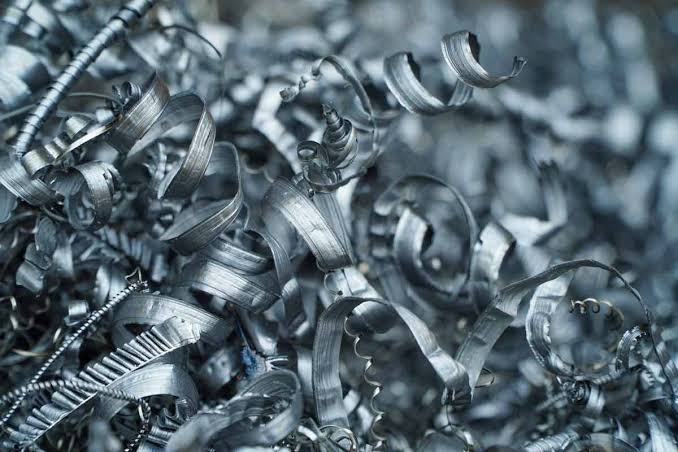
Scrap metal recycling involves collecting unwanted metal materials and processing them so they can be used as raw materials in manufacturing.
Unlike reuse, recycling generally changes the physical form of the material. Scrap may be sorted, cleaned, cut, shredded, melted or refined depending on its type and condition.
For example, unwanted copper wires can be processed to recover copper, while suitable aluminium scrap can be melted and prepared for manufacturing new aluminium products.
The main purpose is to recover useful metal and return it to the manufacturing supply chain.
Although both approaches help reduce waste, there are some important differences.
Reuse involves using an existing item again, often with little or no processing. Recycling involves processing the material to recover metal for manufacturing.
Reuse generally requires an item to remain functional, safe or suitable for another purpose. Recycling can accept many items that are damaged, outdated or no longer useful in their original form, depending on the material and facility requirements.
Reuse may involve inspection, cleaning or repair. Recycling may require sorting, separation, cutting, shredding, melting or refining.
With reuse, the original product or component continues to serve a purpose. With recycling, the recovered metal becomes material for producing new items.
Reuse can avoid the need to manufacture a replacement product. Recycling helps recover metal resources and reduce reliance on newly extracted raw materials.
Neither option is always better. The most suitable choice depends on the condition, safety and intended use of the metal item.
If a metal product is still functional and meets the necessary safety requirements, reuse may be a practical option. It allows the item to remain useful without requiring extensive processing.
However, when an item is damaged, worn out, obsolete or unsuitable for further use, recycling may be the more appropriate solution.
For example, an undamaged steel workbench may be suitable for reuse, while broken steel machinery components may be better suited to scrap metal recycling.
A sensible approach is to consider reuse first where practical, then explore recycling for materials that cannot reasonably be used again.
Many common metals can be managed through reuse or recycling pathways.
The best option depends on the item’s condition, material type, contamination and intended application.
Businesses often generate metal waste through construction, manufacturing, maintenance and equipment replacement. Choosing the right material management approach can help reduce unnecessary disposal and improve resource efficiency.
A practical process includes:
Businesses should also maintain suitable procedures for materials that contain hazardous substances, electrical components or other items requiring specialised treatment.
Both metal reuse and recycling support more responsible resource management.
Metal reuse can reduce the demand for replacement products and extend the working life of existing materials. This may also reduce the resources and manufacturing processes needed to produce new items.
Scrap metal recycling helps recover valuable materials that might otherwise be discarded. Recycling certain metals can also require less energy than producing them from virgin raw materials.
Together, these practices support a circular economy in which materials remain useful for as long as practical.
Metal reuse and scrap metal recycling are two important approaches to reducing waste and making better use of valuable resources. Reuse keeps an existing product or component in service, while recycling recovers metal from unwanted items so it can become part of new manufacturing processes.
Choosing between them depends on the item’s condition, safety and suitability for further use. By considering reuse first and recycling materials that have reached the end of their useful life, individuals and businesses can support more responsible metal management.
Submit guest articles that reach decision-makers, influencers, and professionals. Yarabook offers a trusted platform for quality content, strong backlinks, and SEO-driven visibility. Pay. Publish. Promote.