

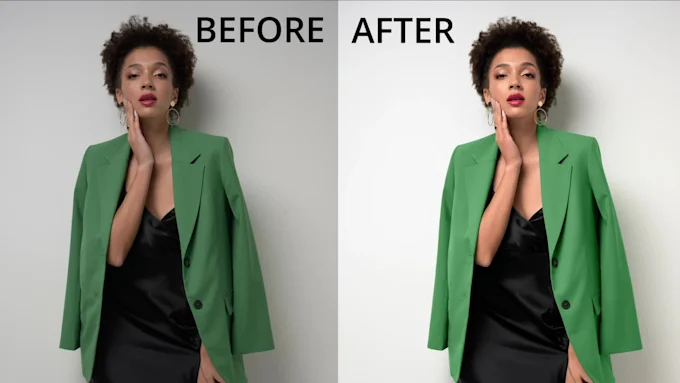
In today’s highly competitive online marketplace, visuals sell before words do. For fashion, apparel, and lifestyle brands, model images are one of the most powerful tools to influence buying decisions. But raw photos rarely meet the high standards required for e-commerce platforms. That’s where professional photo retouching comes in.
This article explores how e-commerce photo retouching enhances model images and why it is essential for boosting conversions and brand perception.
When customers shop online, they rely entirely on visuals. Model images must look flawless, natural, and consistent across the catalog.
Without proper retouching:
With professional retouching:
The goal is not to make the model look artificial, but to enhance natural beauty.
Includes:
In fashion e-commerce retouching, the product is the hero.
Editing focuses on:
Color accuracy is critical to reduce returns.
Key tasks:
Most e-commerce platforms (like Amazon, Shopify) require clean backgrounds.
This includes:
Subtle adjustments can improve presentation, but must stay realistic.
Includes:
Many brands make the mistake of over-editing model images. This can harm trust and lead to higher return rates.
Avoid:
Customers today value authenticity. The goal is perfection with realism.
AI tools are fast, but they often lack precision for complex model images.
AI Editing:
Professional Retouching:
For brands handling hundreds or thousands of images, outsourcing to experts like PicsRetouch, ensures scalable, high-quality output.
In the fast-growing world of online shopping, your product images are your storefront, salesperson, and brand ambassador—all at once. For fashion, apparel, and lifestyle brands, model images play a critical role in influencing customer decisions. They help buyers visualize fit, style, and real-life usage of products.
However, even the best photoshoots cannot guarantee perfect images straight out of the camera. Lighting inconsistencies, fabric wrinkles, skin imperfections, and color variations are common challenges. This is where e-commerce photo retouching becomes essential.
This detailed guide explains everything brands need to know about retouching model images for e-commerce—from techniques and benefits to best practices and industry insights.
Professional retouching transforms these images into clean, consistent, and high-converting visuals.
Before diving into techniques, it’s important to understand the main objective:
Enhance the image without making it look edited.
The best retouching is invisible. It maintains realism while removing distractions and improving presentation.
Key goals include:
Skin retouching is one of the most delicate aspects of model editing. The goal is to enhance—not erase—natural features.
Techniques used:
What to avoid:
In e-commerce, the product is the hero—even in model shots. Garments must look perfect.
Enhancements include:
This step ensures the clothing looks as appealing online as it would in an ideal real-world scenario.
Color accuracy is critical in e-commerce because customers expect the delivered product to match what they see.
Key processes:
Incorrect colors are one of the biggest reasons for product returns—this step directly impacts profitability.
Submit guest articles that reach decision-makers, influencers, and professionals. Yarabook offers a trusted platform for quality content, strong backlinks, and SEO-driven visibility. Pay. Publish. Promote.