

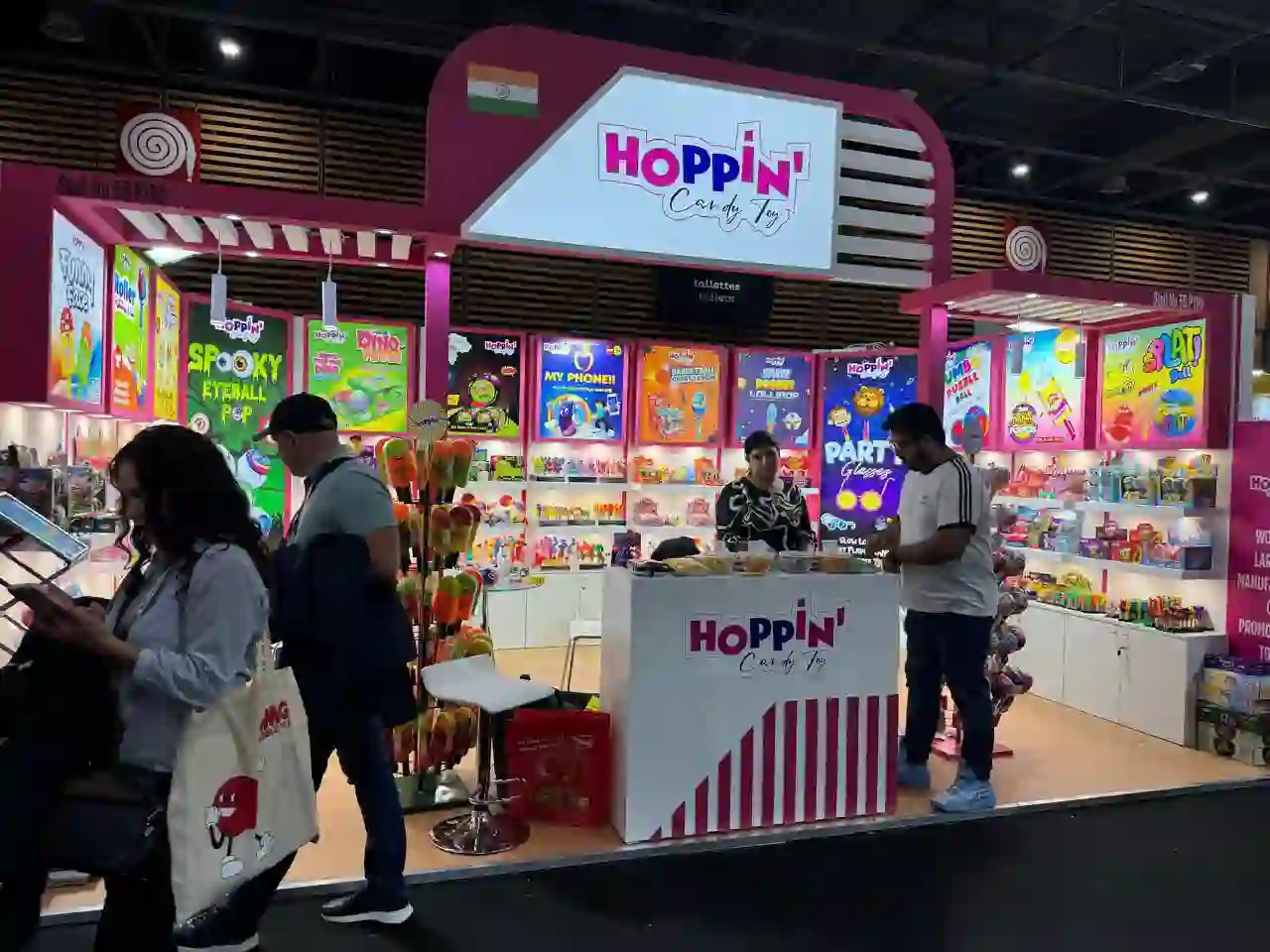
Participating in an exhibition is a valuable opportunity for businesses to showcase their products, connect with potential customers, generate leads, and strengthen brand visibility. However, creating a successful exhibition presence requires more than simply booking floor space and placing a few graphics around a stand. Your booth needs to attract attention, communicate your brand message, support visitor engagement, and function smoothly throughout the event.
This is where an exhibition booth contractor plays an important role. From booth design and construction to installation and dismantling, a professional contractor can manage the practical aspects of your exhibition stand and help turn your ideas into an effective event space.
An exhibition booth contractor is a professional company that specialises in designing, building, installing, and dismantling exhibition booths and custom trade show booth manufacturing. Contractors typically work with exhibitors, brands, event organisers, and marketing teams to create booths based on specific requirements such as booth size, branding, functionality, budget, and event regulations.
Depending on the project, an exhibition booth contractor may provide services including:
Working with one experienced contractor can simplify the exhibition process because multiple requirements can be coordinated through a single team.
Your exhibition stand design ideas are often the first physical interaction visitors have with your brand at an event. A professionally designed and constructed booth can help create a strong first impression while making it easier for visitors to understand what your company offers.
An experienced contractor can transform your brand requirements into a practical booth design. The design can incorporate your brand colours, logo, product displays, messaging, lighting, meeting areas, and visitor pathways.
A good booth design should not only look attractive but also support your marketing objectives.
Every square meter of exhibition space matters. Whether you have a small inline booth or a large island space, a contractor can help use the available area effectively.
The layout can be planned to include product demonstrations, reception counters, seating areas, storage, private meeting rooms, screens, and interactive elements without making the booth feel overcrowded.
A professional exhibition booth contractor understands the materials, construction methods, and technical requirements involved in booth fabrication. Proper construction can improve booth appearance, durability, safety, and functionality throughout the exhibition.
Exhibitions operate according to strict setup and dismantling schedules. Contractors can coordinate installation, electrical requirements, graphics, furniture, lighting, and other elements before the event opens.
This allows exhibitors to focus more on preparing their sales and marketing teams instead of handling construction-related issues.
Before selecting a contractor, it is useful to understand the different booth options available.
Custom booths are designed specifically for a brand and its exhibition objectives. They can include unique architectural elements, large branding structures, meeting rooms, product displays, LED screens, and interactive experiences.
Custom booths are suitable for businesses that want a distinctive presence and have specific design requirements.
Modular booths use flexible components that can be configured in different ways. They can be a practical solution for businesses participating in multiple exhibitions or working with a controlled budget.
For larger exhibition spaces, double-decker stands can provide additional usable area. The upper level can be used for private meetings, hospitality, storage, or offices while the ground floor remains focused on visitor engagement.
Large groups of companies may participate under a country, industry, or organisational pavilion. These projects require careful coordination, consistent branding, and efficient space planning across multiple exhibitors.
Selecting the right contractor can significantly influence the quality and success of your exhibition project. Consider the following factors before making your decision.
Review the contractor’s previous booth designs and completed projects. Look for experience with different booth sizes, industries, design styles, and exhibition environments.
A strong portfolio can give you an idea of the contractor’s design and fabrication capabilities.
Experience matters when dealing with exhibition deadlines, venue regulations, technical requirements, and installation schedules. Ask whether the contractor has experience working at the specific exhibition or venue where you plan to exhibit.
Ideally, your contractor should be capable of managing most of the booth process, from design and fabrication to transportation, installation, and dismantling.
A comprehensive service can reduce communication gaps between multiple suppliers.
Clear communication is essential throughout the project. Your contractor should understand your objectives, provide design updates, explain technical requirements, and communicate timelines clearly.
Budget is an important consideration, but the cheapest quotation is not always the best option. Compare quotations based on materials, construction quality, services included, project management, installation, transportation, and dismantling.
Make sure you understand exactly what is included before signing an agreement.
Providing detailed information at the beginning of the project can help your contractor create a more accurate proposal and design.
Important details may include:
The more clearly you communicate your requirements, the easier it becomes to develop a booth that matches your expectations.
A successful exhibition booth should combine design, branding, functionality, and visitor engagement.
Your company name and visual identity should be easy to recognise from a distance. Use clear messaging instead of filling every available surface with text.
Lighting can highlight products, graphics, architectural features, and important areas of your booth. Well-planned lighting can also contribute to the overall atmosphere.
Touchscreens, product demonstrations, digital presentations, and interactive experiences can encourage visitors to spend more time at your booth.
If your objective includes generating business leads or meeting existing clients, comfortable seating and semi-private meeting areas can be valuable additions.
Storage is often overlooked during the design stage. A well-planned storage area can keep marketing materials, personal belongings, samples, and supplies organised while maintaining a clean booth appearance.
Some exhibitors consider managing booth construction themselves to reduce costs. While this may work for simple displays, larger or more complex booths can require considerable coordination.
An experienced exhibition booth contractor can handle design, fabrication, installation, technical coordination, and dismantling. This can save exhibitors time and reduce the risk of last-minute problems.
For brands exhibiting at multiple events or using larger booth spaces, professional booth construction can be particularly useful.
Before finalising your contractor, ask questions such as:
Getting clear answers can help prevent misunderstandings later in the project.
It is advisable to start planning your booth well before the exhibition. Larger custom booths can require more time for concept development, design revisions, approvals, fabrication, graphics production, logistics, and installation.
Starting early also gives you more time to make design changes and coordinate with the exhibition organiser.
Avoid waiting until the final weeks unless your project is very simple. Early planning generally provides greater flexibility and reduces last-minute pressure.
An exhibition booth is more than a physical structure—it is an important part of your event marketing strategy. The right exhibition booth contractor can help you create a booth that reflects your brand, uses your space effectively, attracts visitors, and supports your business objectives.
When choosing a contractor, look beyond price. Consider their portfolio, experience, construction capabilities, communication, services, and ability to manage the complete exhibition process.
With the right planning and a reliable booth contractor, exhibitors can create a professional and memorable presence that helps turn exhibition traffic into meaningful business opportunities.
Submit guest articles that reach decision-makers, influencers, and professionals. Yarabook offers a trusted platform for quality content, strong backlinks, and SEO-driven visibility. Pay. Publish. Promote.