

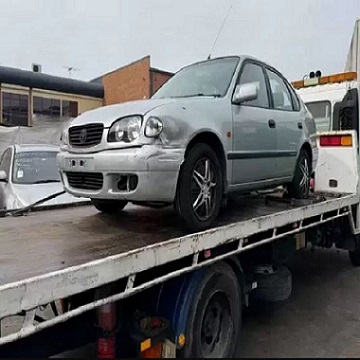
If you’re deciding what to do with an ageing vehicle, Car Cashiers can be one option to consider when comparing the cost of repairs with selling or scrapping the car. Older vehicles can become expensive to maintain as mechanical problems, worn components and unexpected repairs start adding up. While repairing an old car can keep it on the road, there are situations where putting more money into it may no longer make financial sense.
The right choice depends on the vehicle’s condition, repair costs, age, market value and how much longer you expect to use it.
Before deciding whether to repair or scrap an old car, take a realistic look at its condition.
Consider factors such as:
A car with minor problems may still have plenty of useful life remaining. However, several major issues occurring at the same time can make continued ownership increasingly expensive.
Repair costs are one of the biggest factors in deciding what to do with an older vehicle.
Routine maintenance such as replacing brake pads, tyres or a battery is generally expected as a vehicle gets older. Larger repairs, such as an engine rebuild or transmission replacement, can be considerably more expensive.
Before approving major work, ask for a detailed estimate. Include both immediate repairs and other maintenance the vehicle is likely to need soon.
If the repair bill is close to or greater than the vehicle’s actual market value, it may be worth considering alternatives.
The amount you have already spent on a vehicle shouldn’t be the only reason to keep repairing it. Instead, consider what the car is worth today and what it could realistically be worth after repairs.
For example, an older car might currently be worth $3,000 but require $4,000 in repairs. Even after spending the money, you may not recover the full cost when eventually selling it. Think about the decision as a future investment rather than trying to recover money already spent.
Repairing can still be a good option when the vehicle is mechanically sound overall, and the required work is relatively affordable. For example, replacing worn brakes, tyres, a battery or a few suspension components may be much cheaper than replacing the entire vehicle.
Repairing may also make sense if:
A well-maintained older car can sometimes provide several more years of useful service.
There comes a point when repeated repairs can become difficult to justify. If your vehicle needs an expensive engine or transmission repair while also experiencing electrical, suspension and body problems, the combined costs can quickly exceed its value.
Frequent breakdowns are another warning sign. Even if individual repairs aren’t extremely expensive, repeated visits to a mechanic can add up over time.
You should also consider whether you can rely on the vehicle for work, family commitments or regular travel. A car that repeatedly leaves you without transportation can have costs beyond the repair bill itself.
A repair estimate only tells you what needs attention now. An older vehicle may have additional components approaching the end of their useful life.
Ask yourself:
What repairs are likely to be needed over the next 6 to 12 months?
If tyres, brakes, suspension, cooling-system components and other major maintenance items are all approaching replacement, the total ownership cost could be significantly higher than today’s repair estimate.
Looking ahead can help prevent spending money on one repair only to face another major bill shortly afterwards.
Scrapping a vehicle generally means selling it for its remaining value as a source of reusable parts and recyclable materials. Even when a car is no longer practical to drive, it may still contain valuable components. Depending on its condition and model, parts such as the engine, transmission, wheels, catalytic converter and other components may have reuse or recycling value.
The metal from the vehicle can also be processed and recycled, helping reduce the amount of automotive waste sent to landfill.
You don’t necessarily have to repair an old vehicle before selling it.
Depending on its condition, some vehicle buyers and car removal services may accept cars that are damaged, unwanted, non-running, unregistered or no longer economical to repair.
Selling the vehicle as-is can allow you to avoid paying for repairs that may not significantly increase its value.
Before accepting an offer, provide accurate information about the vehicle’s condition. Details such as mechanical faults, accident damage, registration status and whether the vehicle runs can affect its value.
Money isn’t the only consideration. Repairing an old car can involve arranging inspections, sourcing parts, booking mechanics and waiting for the work to be completed. If the vehicle has already become unreliable, this process can be frustrating.
Selling or scrapping the vehicle may allow you to move on without continuing to deal with ongoing maintenance.
For some owners, the convenience of replacing an unreliable vehicle is an important part of the decision.
Before making your final decision, ask yourself:
Writing down the answers can make the financial difference easier to see.
Choosing between repairing and scrapping an old car isn’t simply about how old the vehicle is. A well-maintained older car with manageable repair costs can still be worth keeping, while a vehicle with repeated breakdowns and major mechanical problems may no longer justify further investment.
Compare the vehicle’s current value with repair costs, consider future maintenance and think about reliability and convenience. If repairing the car would cost more than the value it provides, selling it as-is or sending it for recycling may be a more practical choice.
Taking the time to compare your options before spending money on major repairs can help you make a decision that works better for your budget and circumstances.
Submit guest articles that reach decision-makers, influencers, and professionals. Yarabook offers a trusted platform for quality content, strong backlinks, and SEO-driven visibility. Pay. Publish. Promote.