

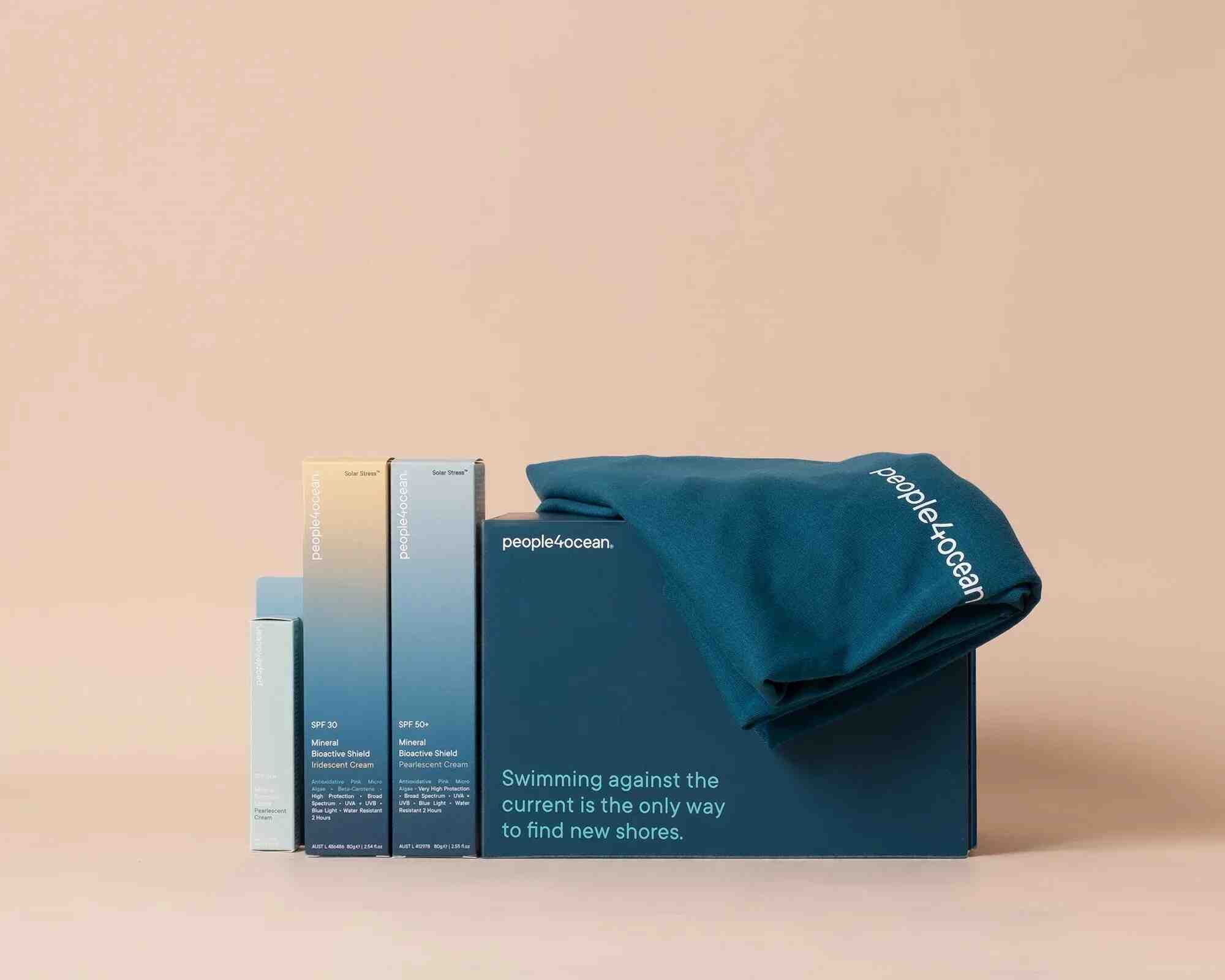
Selecting a sunscreen should be a considered decision, especially when you want a product that supports your skincare needs and reflects your ingredient preferences. With so many formulas available, comparing labels and understanding active ingredients can make shopping easier. Reef Safe Mineral Sunscreen is an option for consumers interested in mineral-based UV protection and more informed choices about their personal care products.
However, not every sunscreen offers the same experience. Differences in SPF, texture, water resistance, and formulation can influence how well a product fits your daily routine. Knowing what to look for helps you move beyond attractive packaging and choose protection based on useful information.
Mineral sunscreens typically use zinc oxide, titanium dioxide, or a combination of both as active UV filters. These ingredients help protect skin by absorbing and scattering ultraviolet radiation. Properly formulated products can provide broad-spectrum protection against UVA and UVB rays.
Many shoppers explore Reef Safe Mineral Sunscreen because they prefer mineral filters or want to consider the environmental questions surrounding sunscreen ingredients. Certain chemical UV filters have been investigated for their potential effects on marine organisms, which has increased interest in alternative formulations.
Nevertheless, the phrase “reef safe” is not a universally standardised scientific guarantee. It does not automatically mean a sunscreen has no environmental impact. Reviewing the actual ingredients and supporting product information is essential before accepting environmental claims.
A quality sunscreen should offer clearly explained protection and practical instructions. Start by checking the SPF rating and confirming that the product is labelled broad-spectrum. These details help you understand the protection it is designed to provide.
SPF primarily measures protection against UVB radiation, while broad-spectrum labelling indicates coverage against both UVA and UVB. SPF 30 or higher is a practical choice for many everyday situations, although your exposure conditions and product directions should guide your routine.
Pay attention to these important product details:
Active ingredients: Look for zinc oxide or titanium dioxide in the sunscreen’s active ingredient list.
SPF information: Compare the stated protection rating and choose an appropriate level for your activities.
Broad-spectrum coverage: Confirm that the product provides UVA and UVB protection.
Water resistance: Check whether the formula is labelled water-resistant if you expect to swim or sweat.
Product directions: Review the recommended application amount and reapplication frequency.
Comparing these details can help you distinguish useful product information from general promotional statements.
Skin comfort is an important part of choosing sunscreen. A product may have suitable UV protection, but its texture or other ingredients might not match your preferences. Mineral formulations are available in different consistencies, so comparing options can help you find something comfortable for regular use.
People who prefer simpler skincare routines may be interested in mineral filters because zinc oxide and titanium dioxide are established sunscreen ingredients. However, mineral does not automatically mean hypoallergenic or suitable for every individual. Fragrances, preservatives, and other ingredients in the formula can also influence skin compatibility.
A thicker cream may suit someone who prefers a richer skincare feel, while a lighter lotion may be more convenient for everyday application. Some mineral formulas can leave a white cast, so it is worth checking product descriptions and trying a small amount before committing to regular use.
When researching Reef Safe Mineral Sunscreen, consider whether the formula spreads evenly, feels comfortable after application, and works with your existing skincare products. The right choice is one that meets your protection needs and encourages consistent use.
Even a well-formulated sunscreen cannot provide its intended protection when too little is applied. Use a generous, even layer over all exposed areas, following the manufacturer’s instructions. Remember your ears, neck, hands, feet, and other areas that may receive direct sunlight.
Apply sunscreen before going outdoors according to the label. Reapply at least every two hours and after swimming, sweating, or towel drying. Water-resistant products still require reapplication within their stated protection period.
You can strengthen your routine by wearing protective clothing, sunglasses, and a wide-brimmed hat. Spending time in shaded areas during stronger sunlight also helps reduce direct exposure.
The relationship between sunscreen ingredients and marine environments is an important subject for consumers who enjoy coastal activities. Some sunscreen substances can enter aquatic ecosystems when people swim or wash products off. Researchers continue to examine how different ingredients may affect marine organisms under varying conditions.
Choosing Reef Safe Mineral Sunscreen may be one way to reflect your preferences about sunscreen ingredients. However, it is important not to assume that all mineral formulations are completely harmless to coral reefs. Environmental effects depend on the substance, concentration, formulation, and surrounding ecosystem.
Responsible decisions should also consider other environmental habits. Avoid leaving packaging on beaches, respect protected marine areas, and never touch or stand on coral. These actions help support a more considerate approach to enjoying coastal destinations.
People4Ocean offers an opportunity to explore sun care products while considering skincare preferences and ocean awareness. Checking product information before purchasing can help you make a selection that suits your routine.
Finding a suitable sunscreen becomes easier when you understand its active ingredients, SPF rating, broad-spectrum coverage, and application requirements. Rather than relying on a single marketing claim, compare the full product information and consider how the formula fits your everyday activities.
Reef Safe Mineral Sunscreen may be a suitable option for people who prefer mineral UV filters and want to make more informed skincare choices. Combine the right product with consistent application, protective clothing, and sensible exposure habits to build a dependable sun protection routine.
Submit guest articles that reach decision-makers, influencers, and professionals. Yarabook offers a trusted platform for quality content, strong backlinks, and SEO-driven visibility. Pay. Publish. Promote.