

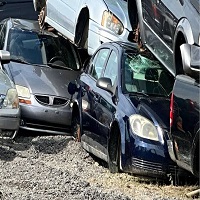
When a vehicle reaches the end of its useful life, Auto Wrecker WA provides Perth vehicle owners with a practical option for responsible disposal. Instead of allowing an unwanted or damaged car to remain unused, vehicle recycling can help recover reusable components and valuable materials. But what actually happens after a car is collected? The recycling process involves several stages, from initial assessment and safe dismantling to parts recovery, material separation and responsible recycling.
After a vehicle reaches a recycling or wrecking facility, it is generally assessed to determine its overall condition. The inspection may consider the vehicle’s age, mechanical condition, body damage, available components and whether particular parts are suitable for reuse.
This assessment helps determine which components can potentially be recovered. A damaged vehicle may still contain useful parts even when repairing the complete vehicle is no longer financially practical.
Before dismantling begins, fluids and potentially hazardous materials need to be handled appropriately. Vehicles can contain engine oil, coolant, brake fluid, transmission fluid, fuel and other substances.
These materials should not simply be released into the environment. Proper handling and storage help reduce the risk of soil and water contamination while making the vehicle safer to dismantle.
This stage is an important part of responsible end-of-life vehicle management because a car contains more than just metal and mechanical components.
One of the most valuable stages of vehicle recycling is parts recovery. Depending on the vehicle’s condition, components such as engines, transmissions, alternators, starter motors, wheels, body panels, mirrors, lights and interior parts may still be usable.
Parts are generally assessed according to their condition and suitability before being made available for reuse. Recovering components from vehicles can help reduce demand for newly manufactured replacement auto parts and provide vehicle owners with additional repair options.
For damaged vehicles, this can be particularly useful because not every component is necessarily affected by the accident.
Once suitable components have been identified, the vehicle can be dismantled systematically. Parts that have potential reuse value are separated from materials that are better suited for recycling.
Dismantling also makes it easier to sort different materials. Instead of treating the entire vehicle as one piece of waste, the car can be separated into individual components and material categories.
This approach helps maximise the amount of the vehicle that can potentially be recovered.
Vehicles contain significant quantities of recyclable materials, particularly metals. Steel, aluminium and other materials can be separated and sent through appropriate recycling processes.
Recycling these materials means they can potentially be used again in manufacturing rather than simply being discarded. Metal recovery is therefore an important part of reducing waste generated by end-of-life vehicles.
Other recyclable materials may also be separated where suitable facilities and processes are available.
Not everything removed from a vehicle will be suitable for reuse or straightforward material recycling. After useful parts and recyclable materials have been recovered, remaining materials need to be managed appropriately.
Modern vehicle recycling focuses on maximising recovery while reducing unnecessary waste. The exact process can vary depending on the vehicle, its condition and the recycling facilities involved.
This is why choosing a responsible vehicle disposal provider can make a difference when an old or damaged car is no longer wanted.
A vehicle does not necessarily need to be in good working condition to have recycling value. Accident-damaged, non-running and older vehicles may still contain components that can be recovered.
For example, a vehicle with severe front-end damage could still have usable rear body components, wheels, interior parts or mechanical components that were not affected by the accident.
The condition of each vehicle is different, so an assessment is needed before deciding which parts can be recovered.
Vehicle recycling provides several practical and environmental benefits. Recovering usable parts reduces the need to manufacture some replacement components from new materials. Recycling metals also allows valuable resources to remain within the manufacturing cycle.
Responsible disposal can additionally help prevent unwanted vehicles from becoming long-term sources of waste. Cars that are left unused for extended periods can deteriorate and may eventually create additional disposal challenges.
For vehicle owners, recycling offers a way to move on from an unwanted car while supporting better resource recovery practices.
Before disposing of an old or damaged vehicle, owners should consider the vehicle’s condition, whether it is roadworthy, the cost of keeping it, and whether repairing it makes financial sense.
If the vehicle is no longer practical to repair or use, professional vehicle removal and recycling can provide a convenient alternative. Owners should also ask how the vehicle will be handled after collection and whether reusable parts and recyclable materials can be recovered.
A car does not simply become waste when it reaches the end of its useful life. Through assessment, safe fluid handling, dismantling, parts recovery and material recycling, many components and resources can potentially be given another purpose. The exact process depends on the vehicle’s condition and the facilities handling it, but responsible recycling can significantly reduce unnecessary waste.
For Perth vehicle owners with an unwanted, damaged or end-of-life vehicle, understanding what happens after collection can make the disposal decision easier. Choosing a suitable vehicle removal and recycling service can help ensure the vehicle is handled in a practical and responsible way.
Submit guest articles that reach decision-makers, influencers, and professionals. Yarabook offers a trusted platform for quality content, strong backlinks, and SEO-driven visibility. Pay. Publish. Promote.