

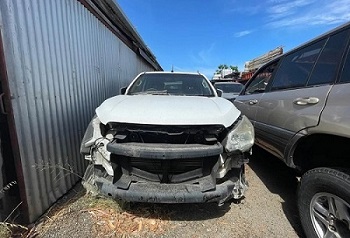
A vehicle battery has a useful life just like other automotive components. At Auto Wreckers Perth, it is commonly observed that when a battery can no longer provide reliable starting power, simply throwing it away is not an appropriate disposal method. Vehicle batteries contain materials that can be recovered and reused, while some of their components require careful handling because of the substances they contain. Understanding what happens to an old battery can help vehicle owners make more responsible choices when maintaining, replacing, or disposing of automotive equipment.
Most conventional vehicle batteries gradually lose their ability to hold and deliver electrical energy. Repeated charging and discharging, temperature changes, age, vibration, and vehicle usage can all affect battery performance.
A battery nearing the end of its useful life may produce warning signs such as slow engine cranking, dimming electrical components, difficulty starting the vehicle, or repeated charging problems. Once the battery can no longer perform reliably, replacement is generally necessary.
The old battery should then be handled through an appropriate recycling or collection system rather than being placed with ordinary household waste.
Traditional automotive batteries contain several materials that can potentially be recovered. Lead is one of the primary materials, while the battery also contains plastic components and an electrolyte solution.
Because these materials have different properties and handling requirements, batteries need to be processed carefully. Improper disposal can allow hazardous substances to enter the surrounding environment, which is why responsible collection and recycling are important.
Modern vehicles may also use different battery technologies, particularly hybrid and electric vehicles. These systems can contain high-voltage battery packs with different chemical compositions and handling requirements, meaning they should only be managed through appropriate specialist processes.
Once an old lead-acid battery reaches a suitable recycling facility, it can go through several stages. The battery is first collected and transported safely before being processed.
During recycling, the battery casing can be separated from its internal components. Lead-containing materials can then be recovered and processed for future manufacturing applications. Plastic from the casing may also be cleaned and recycled into new products.
The electrolyte requires appropriate treatment before it can be safely managed or converted into usable materials. This recovery process allows a significant portion of the battery’s materials to remain in circulation instead of becoming waste.
Battery recycling helps reduce the need for newly extracted raw materials. Recovering materials from existing batteries can reduce pressure on natural resources and support more efficient manufacturing processes.
It also helps prevent inappropriate disposal. Batteries should not be treated like ordinary rubbish because their contents can create environmental and safety concerns if handled incorrectly.
Recycling therefore provides two important benefits: recovering useful materials and reducing the risks associated with improper disposal.
When replacing a vehicle battery, don’t leave the old unit beside a general waste bin or attempt to dismantle it yourself. Instead, ask the battery retailer, automotive workshop, recycling facility, or appropriate waste service about available collection options.
If the battery is still installed in a vehicle that is being disposed of, professional vehicle dismantling can also provide a practical way to ensure used auto parts are handled through suitable processes.
It’s particularly important to avoid damaging, opening, or attempting to drain a battery without the appropriate equipment and knowledge.
Hybrid and electric vehicles require a different approach because their battery systems can operate at much higher voltages than conventional 12-volt automotive batteries.
These battery packs can be considerably larger and may contain different materials and chemical systems. Handling them requires specialist knowledge, safety procedures, and suitable equipment.
For this reason, owners should not attempt to remove or dismantle a high-voltage vehicle battery themselves. End-of-life hybrid and electric vehicle batteries should be handled by appropriately equipped professionals following applicable safety and recycling procedures.
An old battery may still contain materials that have economic value even though it can no longer perform its original function. Lead, plastics, and other recoverable components can be processed and used again.
The value of a particular battery depends on its type, condition, material composition, and current recycling market conditions. However, its potential material value is another reason responsible recycling is preferable to disposal.
Vehicle batteries are only one part of the wider automotive recycling process. End-of-life vehicles can contain steel, aluminium, glass, plastics, tyres, electronic components, and numerous mechanical parts that may be recovered.
Separating these materials allows useful resources to be returned to manufacturing and reduces the volume of material sent to landfill. It also demonstrates why responsible vehicle dismantling is about much more than simply removing an unwanted car.
An old vehicle battery may appear to be a small component, but it contains materials that can be recovered and reused when processed correctly. Recycling helps conserve resources, reduce waste, and minimise the environmental risks associated with inappropriate disposal.
The next time a vehicle battery reaches the end of its useful life, consider where it will go after removal. Choosing an appropriate collection or recycling option is a simple step that can contribute to more responsible automotive waste management.
Submit guest articles that reach decision-makers, influencers, and professionals. Yarabook offers a trusted platform for quality content, strong backlinks, and SEO-driven visibility. Pay. Publish. Promote.