

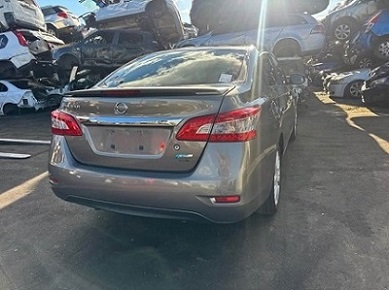
After a serious accident, a vehicle can be declared a write-off when repairing it is no longer considered practical or economical. A1 Wreckers WA works with unwanted, damaged and end-of-life vehicles across Perth, where vehicles that can no longer be reasonably repaired may eventually move into the vehicle recycling and parts recovery process. What happens next depends on the type and condition of the vehicle, its insurance circumstances and whether any components can still be safely reused.
A written-off vehicle is generally one where the damage is significant enough that returning it to normal road use may not be considered worthwhile or appropriate.
A vehicle can be written off after different types of incidents, including major collisions, flooding, fire or other serious damage. However, being declared a write-off does not necessarily mean that every component of the vehicle is useless.
A damaged vehicle can still contain engines, transmissions, wheels, interior components, electronic parts and body components that may have value for reuse, depending on their condition.
There are several reasons an insurer or other authorised party may determine that a vehicle should not be repaired.
One common reason is the cost of repairs. If restoring the vehicle would cost more than its value or would not make financial sense, the vehicle may be considered uneconomical to repair.
Structural damage can also be a major factor. Damage to important parts of the vehicle’s structure may make repairs more complicated and require extensive inspection.
Other vehicles may be written off because of flood, fire or extensive damage to multiple systems.
The decision is not simply based on how the vehicle looks from the outside. Damage underneath the bodywork can affect important mechanical, electrical and structural components.
The next step depends on the circumstances surrounding the vehicle.
If the vehicle is covered by insurance, the insurer generally manages the claim and determines what happens with the damaged vehicle according to the applicable process. The vehicle may then be sold, transferred or directed towards an appropriate disposal or salvage pathway.
For vehicle owners, it is important to understand that an insurance write-off is different from simply deciding to sell an old damaged car. Insurance, registration and legal requirements may apply depending on the vehicle’s circumstances.
Yes, some parts may remain suitable for reuse even when the vehicle itself is no longer suitable for normal road use.
For example, a vehicle involved in an accident car removal may have damage concentrated around one side or section of the body while other components remain in usable condition.
Depending on the vehicle and damage, potentially reusable components can include:
Every part needs to be assessed individually. A component that appears undamaged may still have been affected by impact, heat, water or other factors.
Vehicle dismantling is not simply a matter of removing everything from a damaged car and selling it.
Parts need to be considered based on their condition, compatibility and potential for safe reuse. Components affected by severe impact, fire or flooding may not be appropriate for reuse.
Parts that are suitable can be removed from the vehicle and identified for potential future use. This can give certain components another purpose rather than sending the entire vehicle directly to waste.
The condition of each component is important, particularly for mechanical and safety-related parts.
Once useful components have been identified and removed, the remaining vehicle shell can continue through the recycling process.
Metal is one of the major materials recovered from end-of-life vehicles. Steel and other metals can be processed and reused in manufacturing rather than allowing the vehicle body to simply occupy space indefinitely.
Other materials may also be separated where practical. This is one reason vehicle recycling involves several stages rather than simply crushing an entire car immediately after collection.
Vehicles contain more than metal and mechanical parts. They can also contain engine oil, coolant, brake fluid, transmission fluid, fuel and other materials that need to be handled appropriately.
During vehicle dismantling and recycling, these materials need to be managed carefully to reduce the risk of spills and unnecessary environmental contamination.
Batteries, tyres and other vehicle components can also require separate handling.
Proper processing helps ensure that different materials can be directed towards the most appropriate disposal, recovery or recycling pathway.
Not every written-off vehicle is treated in exactly the same way. Some vehicles may be repairable in certain circumstances, while others may have damage that makes returning them to the road inappropriate or impractical. The classification and applicable requirements can also vary depending on the circumstances and relevant Western Australian rules.
Before attempting to repair or sell a written-off vehicle, owners should check its status and understand any requirements that apply to that particular vehicle.
A vehicle’s write-off history can also be relevant when determining what can legally happen to it next.
The first step is to understand why the vehicle has been written off and what its current status is.
If an insurance claim is involved, the owner should follow the insurer’s instructions and confirm what happens to the vehicle as part of the claim.
If the vehicle remains with the owner, it is important to avoid assuming that it can simply be driven or sold in the same way as a normal used vehicle.
Owners should also remove personal belongings from the vehicle and keep any relevant documents available.
If the vehicle is no longer required, discussing its removal with an appropriate vehicle buyer or recycler can help determine the next practical step.
A badly damaged vehicle may no longer have a useful future as a complete car, but that does not mean everything associated with it has reached the end of its useful life.
Recovering suitable components can reduce the demand for manufacturing replacement parts from new raw materials. Reusing parts can also provide an option for owners looking for components for older vehicles where new replacements may be expensive or harder to source.
Metal recovery is another important part of the process. Vehicle bodies contain substantial amounts of recyclable material that can be processed and used again.
This makes vehicle recycling a practical part of managing vehicles that have reached the end of their usable road life.
A written-off vehicle can go through several stages after an accident. The process may begin with an insurance assessment, followed by a decision about the vehicle’s future. If it is not suitable for continued road use, it may move towards salvage, dismantling and recycling.
During dismantling, potentially reusable components can be identified and recovered. Fluids and other materials can be handled separately, while the remaining metal body can enter the recycling stream.
The exact journey varies from vehicle to vehicle, but the overall process can give usable components and recyclable materials a second purpose.
For vehicle owners, understanding what happens after a write-off can make the situation easier to navigate. A damaged vehicle may no longer be suitable as a complete car, but its remaining parts and materials can still have a useful role in the automotive recycling process.
Submit guest articles that reach decision-makers, influencers, and professionals. Yarabook offers a trusted platform for quality content, strong backlinks, and SEO-driven visibility. Pay. Publish. Promote.