

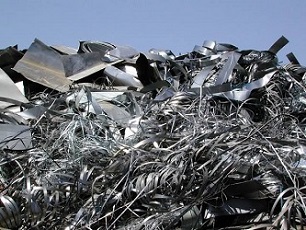
When you sell unwanted metal, you may wonder what happens after it leaves your property. WA Scrap Metal helps connect the selling process with the wider recycling cycle, where collected materials can be sorted, processed and prepared for reuse. Instead of simply becoming waste, suitable scrap metal can go through several stages that recover valuable materials and reduce the need for new raw resources.
The process starts when scrap metal is taken to a recycling facility or collected from a residential, commercial or industrial location. The type and quantity of material can vary considerably, from household metal items and old appliances to construction materials, machinery components, vehicle parts and electrical scrap.
At this stage, keeping different types of metal identifiable can make the next steps easier. Materials may include steel, copper, aluminium, brass, lead and other recyclable metals.
Once the scrap reaches a recycling facility, it needs to be sorted. Not all metals have the same properties or recycling value, so separating materials is an important part of the process.
Scrap can generally be divided into two broad categories: ferrous and non-ferrous metals.
Ferrous metals contain iron and include common materials such as steel and cast iron. Non-ferrous metals do not contain significant amounts of iron and can include copper, aluminium, brass and lead.
Magnets can be used to help identify and separate many ferrous materials. Other sorting methods may be used to distinguish non-ferrous metals according to their type, composition and characteristics.
Scrap metal may contain materials that should not enter the metal recycling process. These can include plastic, rubber, glass, insulation, dirt or other non-metal components.
For example, an old electrical cable may contain copper surrounded by insulation, while a vehicle component may include a mixture of metal, plastic and rubber.
Removing unwanted materials helps prepare the metal for further processing and allows different materials to be handled through their appropriate recycling streams.
After sorting and preparation, scrap metal can be processed into smaller and more manageable pieces. Depending on the material, this may involve cutting, shredding, crushing or other mechanical processes.
Large steel items, for example, may need to be cut down before further processing. Shredding can also help separate metals from other materials and make the scrap easier to handle.
The exact process depends on the type, size, composition and condition of the material.
Have unwanted metal taking up space? Contact WA Scrap Metal to discuss your recycling options.
Once the scrap has been sorted and processed, the recovered metal is prepared for recycling. At this point, materials may be grouped according to their metal type and quality.
Different metals require different recycling processes because their physical and chemical properties are not the same.
Copper, aluminium, steel and other metals can therefore follow separate processing routes before becoming suitable raw material for manufacturing.
Many recyclable metals are eventually melted in specialised facilities. High temperatures allow the metal to change from solid scrap into a molten form.
During this stage, impurities can be removed and the material can be refined according to the requirements of its next application.
The process varies between metals. Aluminium, copper and steel, for example, have different melting characteristics and may require different treatment methods.
After processing and refining, recycled metal can become a raw material for manufacturing.
It may be used in products such as construction materials, automotive components, electrical products, machinery, appliances, packaging and many other manufactured goods.
This is one of the main advantages of recycling scrap metal: material that has already served a purpose can potentially re-enter the manufacturing cycle instead of being discarded.
Recycling metal can provide environmental and resource benefits. Recovering existing metals reduces the amount of material that needs to be discarded and helps keep useful resources within the production cycle.
Producing metals from recycled material can also reduce the need for some new raw material extraction. Mining and processing virgin resources require energy, equipment, transportation and land.
By recovering metals that are already in circulation, recycling supports a more resource-efficient approach to manufacturing.
Yes. The condition and composition of scrap can affect how it is handled and potentially its value.
Clean, separated metal is generally easier to process than material mixed with large amounts of plastic, rubber, dirt or other contaminants. Different grades of the same metal can also have different characteristics and market demand.
For this reason, it can be useful to separate obvious metal types before taking scrap to a recycling facility, provided doing so is safe and practical.
Ready to clear out unwanted scrap metal? Get in touch today to arrange your next recycling enquiry.
Yes. End-of-life vehicles contain significant amounts of recyclable material.
Before a vehicle is processed as scrap, reusable components may be identified and recovered where appropriate. After dismantling, remaining metal materials can be separated and processed for recycling.
A single vehicle can contain steel, aluminium, copper and other materials, along with components made from plastic, glass and rubber. Proper dismantling and sorting help direct these materials into suitable recovery streams.
Once recycled metal has been processed into usable raw material, manufacturers can use it to create new products. The material may eventually become part of another vehicle, building, appliance, machine, electrical product or other item.
This means the recycling process does not necessarily end when the scrap is melted. Instead, it can become part of a wider circular material cycle.
The same metal can potentially be recovered and recycled multiple times, depending on the material and the products in which it is used.
If you regularly have scrap metal, a few simple steps can help:
Submit guest articles that reach decision-makers, influencers, and professionals. Yarabook offers a trusted platform for quality content, strong backlinks, and SEO-driven visibility. Pay. Publish. Promote.