

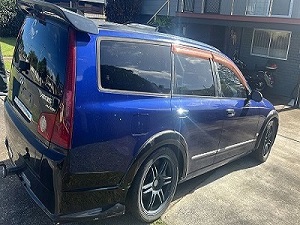
If you own an older vehicle, deciding whether to repair it or move on can be difficult. At Sell8, we regularly speak with Brisbane vehicle owners who are unsure whether investing more money into an ageing car is worthwhile. Every vehicle is different, and the right decision depends on factors such as repair costs, reliability, safety, future maintenance and how you use the vehicle. Rather than rushing into another expensive repair, it helps to understand the overall condition of your car and compare the long-term costs before making a decision. Taking time to evaluate your options can save money and help you choose the solution that best fits your circumstances.
A vehicle’s age alone does not determine whether it should be repaired or sold. Many well-maintained cars continue to perform reliably for years, while others may develop recurring problems despite having relatively low kilometres.
Start by considering the overall condition of your vehicle. Think about how often repairs have been needed during the past year, whether new issues continue appearing, and whether the vehicle still meets your daily requirements. A single repair may not justify selling the car, but repeated mechanical failures can indicate that maintenance costs are becoming difficult to manage.
Looking at the bigger picture instead of focusing on one repair bill often provides a clearer understanding of your vehicle’s future.
One of the most practical ways to make a decision is to compare the estimated repair costs with the current market value of your vehicle.
If major repairs such as transmission work, engine replacement or significant suspension repairs represent a large percentage of the car’s value, continuing to invest in the vehicle may not always make financial sense.
This does not automatically mean every older vehicle should be sold. Some repairs can extend the vehicle’s life at a reasonable cost. However, when expensive repairs become frequent, owners often begin considering other options.
Obtaining quotes from qualified mechanics can help you understand what future maintenance is likely to involve.
Reliability becomes increasingly important as vehicles age.
If your car regularly breaks down or leaves you uncertain about longer trips, the inconvenience may outweigh the benefit of keeping it. Unexpected repairs can also affect work schedules, family commitments and travel plans.
Ask yourself:
Answering these questions honestly can help determine whether ongoing ownership remains practical.
Many owners focus only on the current repair estimate. However, future ownership involves additional ongoing expenses.
These may include:
When these costs continue increasing year after year, replacing or selling the vehicle may become a more economical decision.
Modern vehicles include safety features that may not be available on much older models.
Depending on your vehicle’s age, newer cars may offer:
If maintaining safety requires extensive repairs, it may be worth comparing those costs with the value of replacing the vehicle.
While many older vehicles remain perfectly safe when properly maintained, significant structural damage or major mechanical failures should always be assessed professionally.
Lifestyle changes often influence whether keeping an older vehicle still makes sense.
Some common situations include:
If the vehicle spends most of its time parked, continuing to pay registration, insurance and maintenance costs may no longer provide good value.
Many owners keep a vehicle because it has sentimental value. Perhaps it was a first car, a family vehicle or has been owned for many years.
While emotional attachment is understandable, it is also important to separate sentimental value from financial practicality.
Ask yourself whether continuing repairs are driven by genuine need or simply because it is difficult to let the vehicle go.
Making an objective assessment often leads to a better long-term decision.
Repairing a vehicle can sometimes be more environmentally responsible than replacing it, especially when repairs are relatively minor.
However, vehicles with severe engine problems, excessive emissions or significant structural damage may become increasingly inefficient over time.
Responsible recycling and vehicle dismantling also allow many usable components and materials to be recovered, reducing unnecessary waste.
Considering the environmental impact alongside financial factors can help create a balanced decision.
Before deciding whether to repair or sell your older vehicle, consider the following:
Answering these questions can provide greater confidence before making your final decision.
There is no single answer that suits every vehicle owner. Some older cars continue providing reliable transport for many years with only routine maintenance, while others reach a point where ongoing repairs become difficult to justify.
Rather than making a decision based on a single repair bill, consider the complete picture—including reliability, future expenses, safety, convenience and how well the vehicle fits your current needs. Taking a measured approach allows you to make an informed decision instead of reacting to one unexpected repair.
If you eventually decide that selling your older vehicle is the better option, gathering accurate information about its condition, service history and overall value can help you understand your available choices and move forward with confidence.
Submit guest articles that reach decision-makers, influencers, and professionals. Yarabook offers a trusted platform for quality content, strong backlinks, and SEO-driven visibility. Pay. Publish. Promote.