

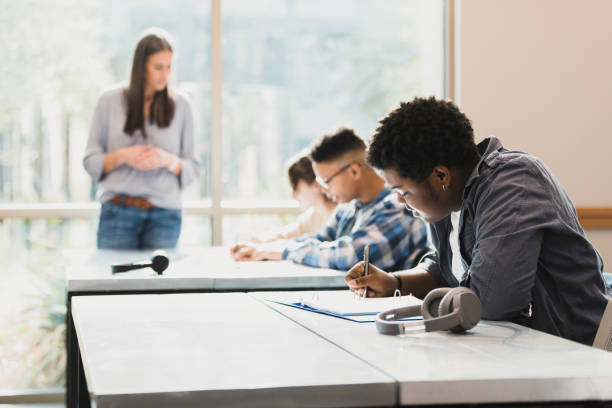
Urban schools face a unique set of challenges. Classrooms are often larger, students come from a wide range of backgrounds, and the pace of city life leaves little room for one-size-fits-all teaching methods. In this environment, student-centered learning has emerged as a practical and effective approach. Instead of placing the teacher at the center of every lesson, this method puts the learner’s needs, interests, and pace at the heart of the classroom experience.
For parents and educators navigating the busy landscape of city education, understanding why this approach works can make a real difference in choosing the right learning environment for a child. Below are some of the most meaningful benefits that student-centered learning brings to classrooms in urban settings.
City classrooms often bring together children with different learning speeds, interests, and cultural backgrounds. Student-centered learning thrives in this mix because it invites children to ask questions, explore topics that genuinely interest them, and take ownership of their own education rather than passively receiving information. This shift transforms the classroom into a space of dialogue rather than one-way instruction.
When students feel that their curiosity is welcomed, they naturally become more engaged. They begin to see learning as something they do, not something that happens to them. Parents who want to see this philosophy in action can learn more about Chitrakoota School, where curiosity-led exploration forms a core part of the daily learning experience for young children.
Over time, this active involvement builds habits of inquiry that extend well beyond the classroom walls, shaping how children approach challenges in everyday life.
In a student-centered setup, teachers act more like mentors and guides than distant authority figures. This shift is especially valuable in busy city schools, where large class sizes can sometimes make it difficult for students to feel individually noticed. When teachers take the time to understand each child’s strengths and struggles, students respond with greater trust and openness.
This relationship-driven approach also allows teachers to adjust their methods based on how a particular group of students learns best. Rather than following a rigid script, educators can observe, listen, and adapt.
The result is a classroom culture where children feel comfortable asking for help, sharing their ideas, and making mistakes without fear of judgment, which is essential for genuine academic growth.
City schools typically serve students from a wide variety of socioeconomic, linguistic, and cultural backgrounds. A single teaching method rarely works equally well for every child in such a diverse group. Student-centered learning addresses this by allowing flexibility in how lessons are delivered, whether through visual aids, group discussions, hands-on projects, or independent research.
This flexibility ensures that children who learn at different speeds are not left behind, nor are advanced learners held back by a rigid pace. Teachers can tailor activities so that each student engages with the material in a way that suits their individual style.
Such adaptability is particularly important in urban education, where classrooms often reflect the rich diversity of the surrounding city itself.
Rather than memorizing facts for a test, student-centered classrooms encourage children to analyze information, ask meaningful questions, and arrive at their own conclusions. This method places significant value on the thinking process itself, not just the final answer.
City students, in particular, benefit from this approach because urban life often demands quick, independent decision-making. Learning to evaluate situations, weigh options, and solve problems creatively prepares children for both academic assessments and real-world scenarios they will encounter as they grow older.
Group projects, debates, and open-ended assignments are common tools used to build these skills, giving students repeated practice in reasoning through complex ideas rather than simply recalling them.
Urban environments are fast-paced, diverse, and full of opportunities that require adaptability. Student-centered learning mirrors this reality by encouraging children to take initiative, collaborate with peers from different backgrounds, and manage their own learning responsibilities from an early age.
This approach also introduces students to teamwork and communication skills that are directly relevant to life in a city, where interacting with people from varied walks of life is a daily occurrence. Learning how to navigate group dynamics in the classroom becomes a useful rehearsal for navigating a diverse community outside school.
By the time these students move into higher education or the workforce, they often carry with them a stronger sense of independence and adaptability shaped by years of active, self-directed learning.
When students are given a voice in their own learning process, their sense of self-worth tends to grow alongside their academic skills. Being asked for opinions, encouraged to lead discussions, or invited to choose project topics helps children feel valued and capable.
This emotional growth matters just as much as intellectual development, particularly in busy city schools where children can sometimes feel like just another face in a crowded classroom. Student-centered learning counters this by creating regular opportunities for individual recognition and encouragement.
Over time, this builds resilience, as students who are used to expressing their thoughts and handling responsibility tend to approach setbacks with a more constructive mindset.
City classrooms often bring together large groups of students, which can sometimes foster unhealthy competition if not managed thoughtfully. Student-centered learning shifts this dynamic by emphasizing group work, peer learning, and shared problem-solving instead of purely individual achievement.
Children learn to support one another, share ideas openly, and appreciate different perspectives when working toward a common goal. This collaborative spirit helps reduce the pressure that competitive academic environments can sometimes create.
As a result, students develop not only academic skills but also social and emotional intelligence, both of which are essential for thriving in the interconnected, community-driven nature of city life.
Student-centered learning offers a thoughtful response to the specific challenges and opportunities present in city classrooms. By placing the learner at the heart of the educational experience, this approach nurtures curiosity, critical thinking, emotional resilience, and collaboration, all while accommodating the diverse needs found in urban schools. For families navigating the many educational choices available in a city, understanding the value of this student-first philosophy can be a helpful step toward finding a learning environment where children truly thrive, both inside the classroom and in the world beyond it.
Submit guest articles that reach decision-makers, influencers, and professionals. Yarabook offers a trusted platform for quality content, strong backlinks, and SEO-driven visibility. Pay. Publish. Promote.