

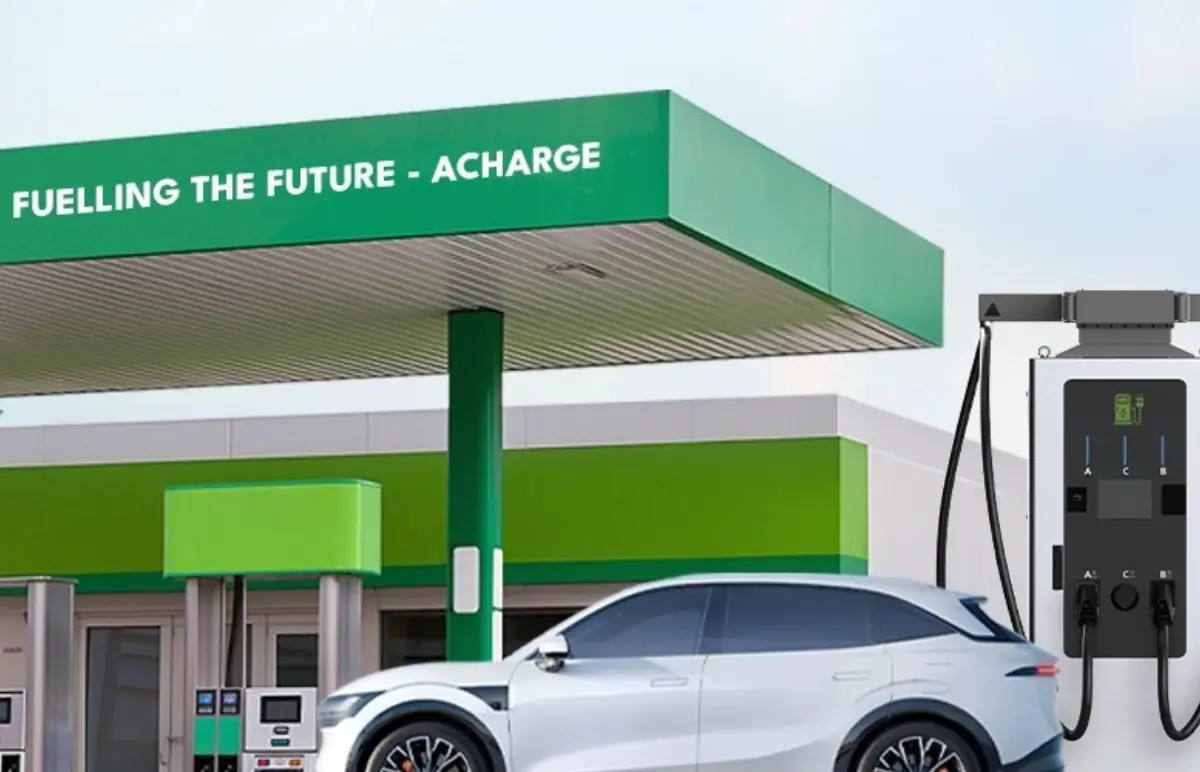
If you are gearing up for a weekend mountain trek, mapping out the right electric car charging stations should be at the very top of your priority list. But before you plug in your destination coordinates and hit the winding mountain highway, it is vital to understand how high-altitude terrain, shifting weather patterns, and rugged road conditions fundamentally impact your electric vehicle’s battery performance.
Whether you are a meticulous data analyst studying the latest EV efficiency metrics or simply an outdoor enthusiast looking for reliable electric vehicles to tackle the hills, nature has established fixed physical laws regarding how far a single charge will take you. Let’s break down the exact forces at play when you trade city asphalt for steep mountain switchbacks.
EV lithium-ion batteries perform at their absolute peak in mild, temperate environments. When you drive your electric car up into crisp mountain air, you immediately encounter severe thermal challenges that alter your driving range:
The Cold Weather Drain: Low ambient temperatures significantly slow down the electrochemical reactions inside the battery cells, reducing instantaneous capacity and power delivery. Furthermore, your vehicle’s climate control system must draw heavy electrical power to heat the cabin and warm the battery pack to its optimal operating temperature. In freezing high-altitude conditions, drivers frequently experience a range reduction of 20% to 30% compared to standard flat-road driving.
The Extreme Heat Factor: Conversely, driving through scorching valleys or exposed sunny mountain ridges brings its own set of obstacles. Extreme ambient heat forces the vehicle’s active liquid thermal management and air conditioning compressors into overdrive to prevent the battery cells from overheating. This energy-intensive cooling cycle can easily carve another 20% off your total driving range, reminding drivers that temperature extremes—both cold and hot—are an EV’s primary adversary.
Elevation changes introduce physics that every internal combustion driver understands intuitively, but they manifest in entirely unique ways within electric powertrains:
Uphill Climbing: When you navigate steep inclines toward a high-altitude trailhead, your EV has to fight relentlessly against gravity. Hauling thousands of kilograms up a vertical gradient demands continuous, high-draw torque from the electric motors, which can drain your battery up to 30% faster than cruising along a flat stretch of national highway. The constant power draw generates internal heat, requiring the vehicle’s management systems to work double-duty.
The Downhill Payoff: Fortunately, gravity works in your favor on the way back down. During long descents, your EV’s regenerative braking system kicks into action. Instead of wasting kinetic energy through friction brake pads as traditional cars do, the electric motor reverses its role into a generator, capturing deceleration energy and pumping it right back into the high-voltage battery pack. While regeneration won’t magically recover 100% of the energy spent during the grueling climb, it noticeably extends your battery range on the descent, making the return journey far more efficient and rewarding.
Mountain roads are rarely pristine ribbons of smooth tarmac; they present rolling resistance, unpaved surfaces, and seasonal weather hazards that directly affect your vehicle’s overall efficiency:
Surface Friction & Traction: Navigating through rough, unpaved surfaces, loose gravel, or deep winter slush drastically increases rolling resistance. Your tires have to work harder to maintain grip, requiring the electric motor to deliver continuous torque just to keep your speed steady. Every slip and correction eats into your stored kilowatt-hours.
Wet Weather Dynamics: In conditions like rain and heavy downpours, standing water creates hydrodynamic drag that forces the motor to expend extra energy. If you are planning trips during heavy monsoon storms, understanding how ev cars in monsoon handle flooded roads, water-crossing safety limits, and IP67 battery enclosure sealing becomes vital for a secure and trouble-free journey. Standing water not only increases rolling resistance but also introduces severe electrical safety considerations that every EV owner must navigate.
To successfully manage a mountain excursion in an electric vehicle, preparation is everything. Modern EVs come equipped with advanced software tools that can make or break your trip:
Battery Pre-Conditioning: If your vehicle supports it, use pre-conditioning while the car is still plugged into your home or hotel AC charger. Warming or cooling the battery pack while connected to the grid preserves your high-voltage battery charge for actual driving rather than thermal regulation.
Mapping High-Speed Chargers: Mountain regions historically lack the dense charging infrastructure found in metropolitan areas. Always chart your route using reliable EV navigation apps that display real-time charger status, kW output, and geographical elevation profiles. Knowing whether a mountain charger is operational before you arrive prevents range anxiety from ruining your adventure.
Managing Speed on Grades: On steep mountain climbs, maintaining an excessively high speed exponentially increases aerodynamic drag and motor energy draw. Easing off the accelerator slightly on inclines preserves massive amounts of battery capacity without significantly altering your overall travel time.
Driving your electric vehicle into challenging outdoor mountain environments is entirely feasible—provided you approach your trip with a well-calculated strategy. By checking weather forecasts in advance, understanding how elevation changes tax your motors, recognizing how temperature fluctuations impact cell chemistry, and preparing for wet-weather conditions, you can plan your charging stops accurately and enjoy the majestic mountain scenery with ultimate peace of mind.
Submit guest articles that reach decision-makers, influencers, and professionals. Yarabook offers a trusted platform for quality content, strong backlinks, and SEO-driven visibility. Pay. Publish. Promote.