

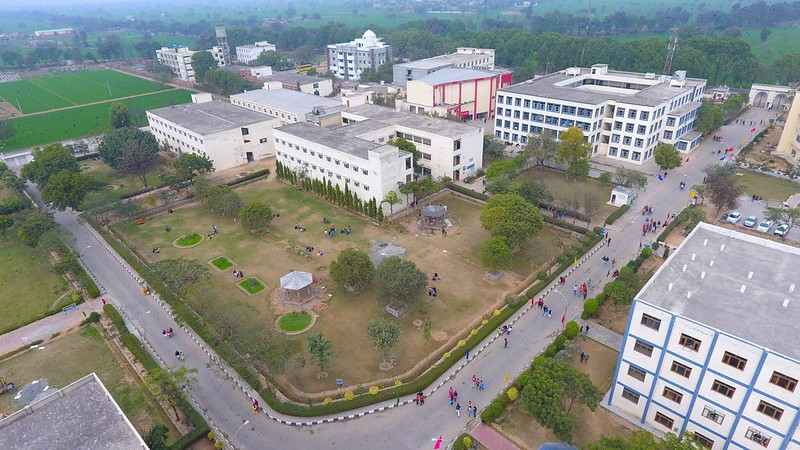
Engineering is one of the most sought-after career paths for students who want to combine technical knowledge, creativity and problem-solving skills to build a successful future. From civil infrastructure and mechanical systems to computer science, artificial intelligence and electrical technologies, engineering offers opportunities across a wide range of industries. Choosing the right institution is therefore an important decision that can influence academic development, practical experience and future career prospects.
Punjab has established itself as an important destination for higher education in northern India, offering students access to universities, technical institutions and industry-oriented learning opportunities. For aspiring engineers, selecting a top university in Punjab for engineering involves evaluating academic quality, laboratory facilities, experienced faculty, industry exposure, placement support and opportunities for professional development.
At Guru Kashi University, we recognise the importance of providing an educational environment that encourages technical competence, innovation and lifelong learning. By understanding what makes an engineering institution suitable for their goals, students can make informed decisions about their education and prepare for the changing demands of the engineering profession.
A strong engineering education begins with a well-structured curriculum that combines theoretical knowledge with practical application. Students need to understand fundamental engineering principles before applying them to real-world challenges. A quality university provides a learning environment in which students can develop analytical thinking, technical accuracy and the ability to approach complex problems systematically.
When evaluating a top university in Punjab for engineering, we recommend examining the curriculum, teaching methodology, faculty expertise and opportunities for interdisciplinary learning. Engineering programmes should cover essential concepts while allowing students to explore emerging technologies and specialised areas relevant to their interests.
At Guru Kashi University, prospective students should explore the engineering programmes available, their curriculum structure, eligibility requirements and practical learning opportunities before selecting a course. Understanding these details helps students determine whether a programme aligns with their academic background and professional ambitions.
A comprehensive engineering education should also encourage independent thinking, teamwork and effective communication. These capabilities are important because engineers frequently collaborate with professionals from different technical and business backgrounds.
Engineering is a practical discipline that requires students to understand how theoretical concepts operate in real situations. Laboratory sessions, technical workshops, demonstrations and project-based assignments help students translate classroom knowledge into practical skills.
When choosing a university, students should assess the availability and relevance of laboratory facilities for their intended specialisation. Computer science students, for example, may benefit from programming laboratories and computing resources, while mechanical engineering students require appropriate equipment for studying manufacturing processes, materials and mechanical systems.
Electrical and civil engineering students may need access to specialised testing equipment, design software, surveying instruments and other facilities associated with their courses.
Practical learning is essential for developing technical confidence. It helps students understand engineering principles, identify errors, interpret results and develop systematic approaches to solving problems.
At Guru Kashi University, prospective students can enquire about the laboratories, workshops, equipment and project facilities associated with their preferred engineering programme. Reviewing these resources before admission can help them understand the practical learning experience available.
The engineering sector includes numerous disciplines, each offering different learning experiences and career pathways. Students should select a specialisation based on their interests, aptitude and understanding of future industry requirements rather than choosing a course solely because it is popular.
A university offering relevant engineering disciplines allows students to explore technical subjects that match their ambitions.
Computer science engineering focuses on programming, software development, algorithms, databases, computer networks and the design of computing systems. Depending on the programme, students may also study artificial intelligence, machine learning, cybersecurity, cloud computing and data science.
Graduates can explore opportunities in software development, IT services, application development, systems engineering and related technology roles.
Mechanical engineering involves the design, development, analysis and maintenance of machines and mechanical systems. Students study subjects such as thermodynamics, manufacturing technology, engineering mechanics, materials and machine design.
Career opportunities may include manufacturing, automotive engineering, product development, maintenance and industrial operations.
Civil engineering focuses on the planning, design, construction and maintenance of infrastructure. Students learn about structural engineering, construction materials, transportation systems, geotechnical engineering and environmental considerations.
Potential career paths include construction management, structural design, infrastructure development, site engineering and project supervision.
Electrical engineering covers electrical circuits, power systems, electrical machines, control systems and related technologies. Depending on the curriculum, students may also explore renewable energy, automation and modern electrical infrastructure.
Graduates may pursue opportunities in power generation, electrical maintenance, industrial automation and related engineering sectors.
Before applying to Guru Kashi University, students should confirm which specialisations are currently available and review their individual course structures. The right engineering branch should reflect a student’s interests, strengths and long-term career objectives.
The engineering profession requires more than academic knowledge. Employers often value candidates who can apply technical principles, understand workplace requirements and contribute effectively to projects.
Industry-oriented education helps students connect their studies with professional practice. Depending on the programme and available opportunities, this may include internships, industrial visits, technical workshops, expert lectures, collaborative projects and exposure to engineering applications.
For example, a civil engineering student may benefit from understanding construction planning and quality control, while a computer science student may gain valuable experience by developing a software application. Mechanical engineering students can strengthen their understanding through manufacturing-related projects, and electrical engineering students may explore applications involving power systems or automation.
When comparing universities, we encourage students to ask about internship opportunities, industry partnerships, practical projects and employer engagement. They should also establish whether these opportunities are guaranteed, competitive or dependent on individual eligibility.
At Guru Kashi University, students can enquire about the industry exposure and practical training available within their chosen engineering programme. Understanding how these activities are incorporated into the curriculum can help them assess the programme’s relevance to their career goals.
Faculty members play an important role in shaping students’ academic experiences. Effective teaching involves explaining complex concepts clearly, encouraging questions, providing constructive feedback and helping learners develop independent problem-solving skills.
Engineering students often encounter challenging subjects involving mathematics, scientific principles, technical calculations and specialised software. Access to appropriate academic guidance can help them build confidence and address learning difficulties.
When selecting a top university in Punjab for engineering, students should consider faculty qualifications, subject expertise, teaching methods and the availability of academic support. They may also wish to explore opportunities for faculty-guided research, technical projects and interdisciplinary collaboration.
Engineering continues to evolve as industries adopt new technologies and develop more efficient ways of working. Artificial intelligence, robotics, automation, renewable energy, smart infrastructure and advanced manufacturing are influencing how engineers design products, manage systems and solve technical challenges.
Universities can help students prepare for these changes by encouraging research, experimentation and innovation. Project-based learning gives students opportunities to investigate problems, evaluate possible solutions and test their ideas.
Engineering projects may involve designing a prototype, developing a software application, analysing structural performance, improving an industrial process or exploring an energy-efficient system.
Career preparation is an important consideration when selecting an engineering institution. Students should examine how a university helps learners prepare for recruitment processes and transition from academic study into professional employment.
Career development support may include CV preparation, aptitude training, technical interview practice, communication workshops, career counselling and employer interaction sessions. These activities can help students present their abilities effectively and prepare for different recruitment formats.
However, students should distinguish between placement assistance and guaranteed employment. Recruitment outcomes depend on several factors, including academic performance, technical skills, employer requirements, market conditions and individual interview performance.
Choosing a university is an important step towards building a professional future. Students should look for an institution where they can develop sound technical foundations, gain practical experience and prepare for the responsibilities of the engineering profession.
At Guru Kashi University, prospective students can explore the engineering programmes available to them and assess their suitability against individual academic and career objectives. Particular attention should be given to the curriculum, laboratory facilities, faculty expertise, industry exposure, student support and placement information associated with the selected course.
Choosing the right engineering university involves evaluating much more than a course title or campus location. Academic quality, practical training, faculty support, industry exposure, career development, affordability and access to relevant facilities all contribute to the overall educational experience.
At Guru Kashi University, prospective students can begin by exploring the engineering courses available, checking admission requirements and reviewing the resources associated with their preferred specialisation. By making a considered choice and actively developing technical and professional skills throughout their studies, students can build a strong foundation for future opportunities in engineering.
Submit guest articles that reach decision-makers, influencers, and professionals. Yarabook offers a trusted platform for quality content, strong backlinks, and SEO-driven visibility. Pay. Publish. Promote.