

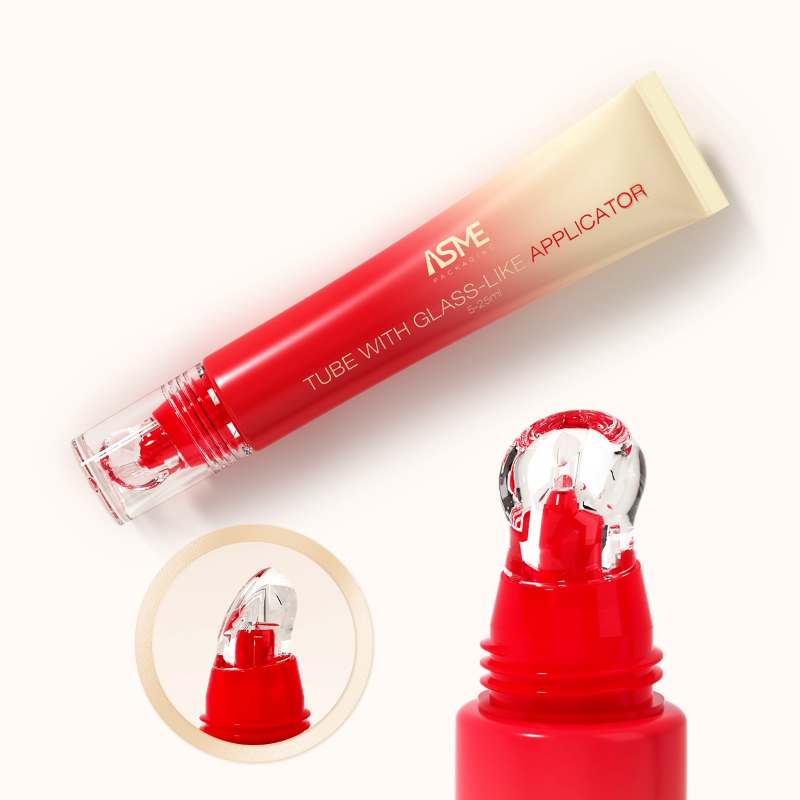
Wholesale lip gloss tube prices can vary significantly, even when two containers appear almost identical. The difference may come from the material, wall thickness, cap construction, applicator, decoration, order quantity, packing method, or quality requirements.
Minimum order quantity, commonly called MOQ, is also influenced by more than the number of containers required. Buyers need to understand how each customization decision affects production before comparing quotations.
A clear cost breakdown makes it easier to develop packaging that fits both the product and the launch budget.
Manufacturers set MOQs because every production run requires material preparation, equipment setup, color matching, assembly, and inspection.
Standard clear containers with stock caps and applicators may be available at relatively low quantities. Custom colors, specialized finishes, and exclusive molds usually require larger orders.
The MOQ may apply separately to:
For example, a buyer may order 10,000 units in total but divide them across five colors. The supplier may treat this as five runs of 2,000 rather than one run of 10,000, increasing setup costs.
Using an existing container and cap mold is usually the most cost-effective option.
The brand can still customize the appearance through color, printing, hot stamping, labels, or surface finishes. This approach avoids mold development fees and reduces technical risk.
A fully custom shape requires design work, engineering, mold production, trials, and revisions. Buyers should also consider whether the new container requires a custom wiper, stem, or shipping tray.
Custom tooling can create stronger brand differentiation, but it is normally more suitable for products with reliable volume forecasts.
Lip gloss containers may use PETG, PET, PP, ABS, acrylic, or combinations of several materials.
A simple single-wall container generally costs less than a thick-walled package with an inner bottle and decorative outer shell. Heavier packaging also increases carton weight and freight costs.
Acrylic-style packaging can create a premium, glass-like appearance, while PETG may provide clarity with a lighter structure. The right choice depends on brand positioning, formula compatibility, and target price.
The applicator system contributes to the final cost.
A basic doe-foot tip is typically less expensive than a custom reservoir applicator, flexible silicone tip, brush, or specialty molded head.
Stem length, material, applicator flocking, and assembly method can also affect pricing. The wiper must match both the formula viscosity and applicator dimensions.
Buyers sourcingwholesale lip gloss tubesshould compare complete packaging sets rather than container bodies alone. A low bottle price is not meaningful when the cap, stem, applicator, or wiper is excluded.
Decoration can represent a substantial portion of the packaging budget.
Silk-screen printing is suitable for simple logos and limited colors. Hot stamping adds metallic details but requires foil and additional setup. Gradient spraying, metallization, and specialty coatings involve more processing steps.
Pricing may depend on:
Complex artwork can also increase the rejection rate, especially on irregularly shaped containers.
Samples are not always free, particularly when they require custom colors, printed artwork, or new molds.
Buyers should distinguish between standard samples, decorated prototypes, pre-production samples, and samples taken from the final production run.
Printing plates, screens, color matching, and mold adjustments may be charged separately. Some setup fees apply only to the first order, while others recur when artwork or colors change.
Unit price is only one part of the landed cost.
Lip gloss tubes may require individual bags, protective sleeves, trays, dividers, or dust-resistant packing. Premium finishes often need additional protection to prevent scratching.
Freight depends on carton dimensions, gross weight, shipment volume, destination, and transport method. Air shipping can be expensive for bulky packaging even when the containers themselves are lightweight.
Request carton size, units per carton, total carton count, and estimated shipment volume before confirming the order.
Brands can control costs by using standard molds, limiting the number of colors, selecting one strong decoration method, and forecasting repeat orders.
It is also useful to compare price breaks at several quantities. A slightly larger order may reduce the unit cost, but only when the additional inventory can be used before packaging or artwork changes.
The best wholesale purchasing decision considers total landed cost, not the lowest quoted unit price. By understanding MOQ structure, customization costs, applicator choices, and logistics, buyers can build a more accurate packaging budget and avoid unexpected expenses.
Submit guest articles that reach decision-makers, influencers, and professionals. Yarabook offers a trusted platform for quality content, strong backlinks, and SEO-driven visibility. Pay. Publish. Promote.