

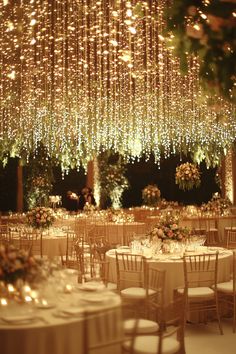
A wedding does not need a massive ballroom, hundreds of guests, or an elaborate production to become a memorable occasion. For couples who value meaningful conversations, personal details, and a relaxed atmosphere, Small Wedding Venues can offer an entirely different kind of experience. With fewer guests, the celebration can feel more personal, allowing the couple to spend genuine time with the people who matter most.
Choosing a smaller setting is not simply about reducing the guest count. It can influence the atmosphere, food service, decorations, photography, schedule, and even the way guests interact throughout the day. With the right venue, a smaller wedding can feel intentional rather than limited.
Large weddings can be exciting, but they are not suitable for every couple. Some people prefer an occasion where they can actually speak with their guests rather than moving rapidly from one table to another.
A smaller celebration creates room for meaningful interactions. Parents, siblings, close friends, and other important guests can become part of the experience instead of simply attending a large event.
There can also be greater flexibility when planning the day. A couple may have more freedom to choose unusual entertainment, personalized menus, distinctive décor, or a ceremony format that reflects their relationship.
The strongest advantage of a small venue is the sense of connection it can create.
Imagine entering a space where every guest has been personally invited and the surroundings do not feel overwhelming. Instead of filling an enormous hall, the décor can be concentrated around a smaller area. Tables can be arranged to encourage conversation, and the couple can move comfortably between groups.
Smaller spaces can also create a naturally warm atmosphere. Gardens, private dining rooms, historic properties, intimate event halls, and stylish outdoor spaces can all provide memorable settings without requiring an enormous guest list.
Before visiting potential venues, establish an approximate guest count. This number should include everyone who will attend the ceremony and reception.
Avoid choosing a venue simply because it looks beautiful in photographs. Consider how the space will function when occupied. A room that feels spacious with ten people may become uncomfortable with fifty guests, while an oversized hall may make a small gathering feel scattered.
Ask venues about their seating capacities for different layouts. A cocktail arrangement, seated dinner, ceremony setup, and dance floor can require very different amounts of usable space.
Your venue should support the mood you want to create.
For a romantic celebration, a garden or elegant private property may work beautifully. Couples seeking a modern aesthetic might prefer a contemporary event space with clean architectural details. A restaurant or private dining room can be ideal for those who consider food and conversation central to the celebration.
Think beyond appearance. Ask yourself how you want guests to feel when they arrive. Comfortable? Relaxed? Sophisticated? Festive?
Think About Guest Experience
One advantage of a smaller wedding is the opportunity to pay closer attention to your guests.
Consider whether the venue has comfortable seating, accessible facilities, convenient parking, and suitable areas for socializing. If older relatives or guests with mobility needs are attending, accessibility should be considered from the beginning.
The flow of the venue matters as well. Guests should be able to move naturally between the ceremony, dining area, and other activities without confusion.
See more: small wedding venues northern california
Food can become one of the highlights of an intimate wedding. With fewer guests, couples may have more opportunities to personalize the menu.
Instead of selecting a standard large-event package, you might explore a family-style meal, plated dinner, tasting menu, dessert station, or locally inspired cuisine.
Ask potential venues whether outside catering is allowed. If catering is provided in-house, find out what customization options are available. Also discuss dietary requirements well before the event.
A smaller guest list can make it easier to create a meal that feels connected to the couple rather than simply being a standard wedding menu.
Small venues generally do not require excessive decoration. In fact, too many decorative elements can make an intimate space feel crowded.
Focus on a few meaningful features. Floral arrangements, candles, table settings, signage, photographs, or carefully selected lighting can create character without overwhelming the venue.
Consider the existing design of the location. If the venue already has attractive architecture, exposed brick, beautiful landscaping, large windows, or distinctive furniture, use those elements as part of the wedding aesthetic.
A smaller setting can offer photographers plenty of opportunities to capture natural interactions. Guests are often physically closer together, making candid moments easier to document.
When visiting a venue, look for different photographic possibilities. Outdoor areas, interesting walls, staircases, gardens, windows, and quiet corners can all provide variety.
Natural light is another important consideration. Ask when different areas receive sunlight and whether indoor lighting will be sufficient during the reception.
Make sure you are aware of the venue’s policies before signing a contract. Useful questions include:
Getting clear answers early can prevent unpleasant surprises later.
The greatest benefit of choosing a smaller venue is the opportunity to focus on meaning rather than scale.
A couple can create handwritten notes for guests, display family photographs, choose music connected to important memories, or design a menu based on favorite foods. Even simple details can become memorable when they have a personal story behind them.
The venue becomes more than a location. It becomes the setting for conversations, photographs, laughter, and moments shared with a carefully chosen group of people.
Choosing Small Wedding Venues can be an excellent decision for couples who want an intimate, comfortable, and highly personalized celebration. A smaller guest list can make it easier to focus on hospitality, meaningful details, food, photography, and genuine interaction.
The ideal venue is not necessarily the largest or most impressive location. It is the place that fits your guest list, supports your wedding style, and allows the celebration to unfold naturally. When those elements come together, a small wedding can feel remarkably significant—and often much more personal than a grand event.
Submit guest articles that reach decision-makers, influencers, and professionals. Yarabook offers a trusted platform for quality content, strong backlinks, and SEO-driven visibility. Pay. Publish. Promote.