

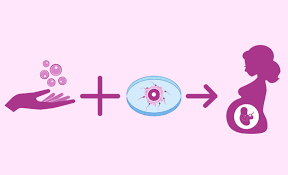
Imagine being told at 28 that your fertility window is closing faster than you expected — because of a medical diagnosis, a demanding career, or simply because you haven’t found the right partner yet. For thousands of men and women, this isn’t a hypothetical. It’s a reality that modern reproductive medicine has quietly solved through Assisted Reproductive Technology (ART) banks.
If you’ve ever wondered how sperm, eggs, and embryos are safely stored for years — sometimes decades — and later used to build a family, this guide breaks it all down in a simple, question-and-answer format. Whether you’re exploring egg donation in Delhi, considering egg freezing, or simply curious about fertility preservation, this article gives you clear, medically grounded answers.
An ART bank (Assisted Reproductive Technology bank) is a specialized, licensed facility that collects, screens, freezes, and stores reproductive tissues — eggs (oocytes), sperm, and embryos — for future use in fertility treatments.
These banks operate under strict medical and regulatory protocols, ensuring that every sample is:
In India, ART banks function under the guidelines of the ART (Regulation) Act, 2021, which governs everything from donor eligibility to record-keeping.
Women can preserve their eggs at a biologically younger, healthier stage using a technique called vitrification — an ultra-rapid freezing method that prevents ice crystal formation and protects the egg’s delicate structure.
This is commonly chosen by:
Sperm cryopreservation is a simpler, well-established process. Samples are frozen and stored for future use in IUI, IVF, or ICSI procedures. This is often recommended for men undergoing cancer treatment, vasectomy, or those working in high-risk occupations.
Couples undergoing IVF often produce more embryos than are transferred in a single cycle. Surplus embryos are frozen and stored for future attempts, avoiding the need for repeated egg retrieval.
ART banks also maintain a screened, anonymous pool of donor eggs and donor sperm for individuals or couples who cannot use their own gametes due to medical reasons, same-sex partnerships, or single-parenthood by choice.
Delhi has emerged as a major hub for fertility treatments in India, thanks to its advanced IVF clinics, experienced reproductive endocrinologists, and well-regulated ART banks.
Egg donation in Delhi is increasingly sought after by:
Delhi’s ART banks follow rigorous donor screening — including hormonal profiling, genetic testing, and psychological evaluation — ensuring both donor safety and recipient success rates align with international standards.
A credible ART bank should offer:
Choosing an accredited fertility clinic with an in-house or partnered ART bank significantly reduces risks and improves treatment outcomes.
Thanks to vitrification and advanced cryogenic storage, reproductive tissues can remain viable for 10 years or more, with many clinics reporting successful pregnancies from samples frozen for over a decade. Indian ART regulations typically allow storage extensions upon renewed consent, giving individuals flexibility around their personal timelines.
Not at all. While cancer patients and individuals facing medical treatments are a significant group, elective fertility preservation — freezing eggs or sperm simply to plan parenthood on your own timeline — is now a mainstream, socially accepted choice. Many professionals in their late 20s and early 30s proactively freeze their eggs as a form of “fertility insurance.”
When evaluating a clinic, ask:
A trustworthy clinic will always encourage informed decision-making rather than pushing a one-size-fits-all treatment plan.
Fertility is deeply personal, and having the option to pause, preserve, and plan is one of the most empowering advances in modern medicine. ART banks — through egg freezing, sperm banking, embryo storage, and donor programs — give individuals and couples the freedom to build their families on their own terms, not just when biology allows.
If you’re exploring options like egg donation in Delhi, freezing your eggs, or simply want to understand your fertility preservation choices, the most important first step is a consultation with a certified fertility specialist. They can assess your reproductive health, explain realistic success rates, and guide you toward the safest, most effective path forward.
Submit guest articles that reach decision-makers, influencers, and professionals. Yarabook offers a trusted platform for quality content, strong backlinks, and SEO-driven visibility. Pay. Publish. Promote.