

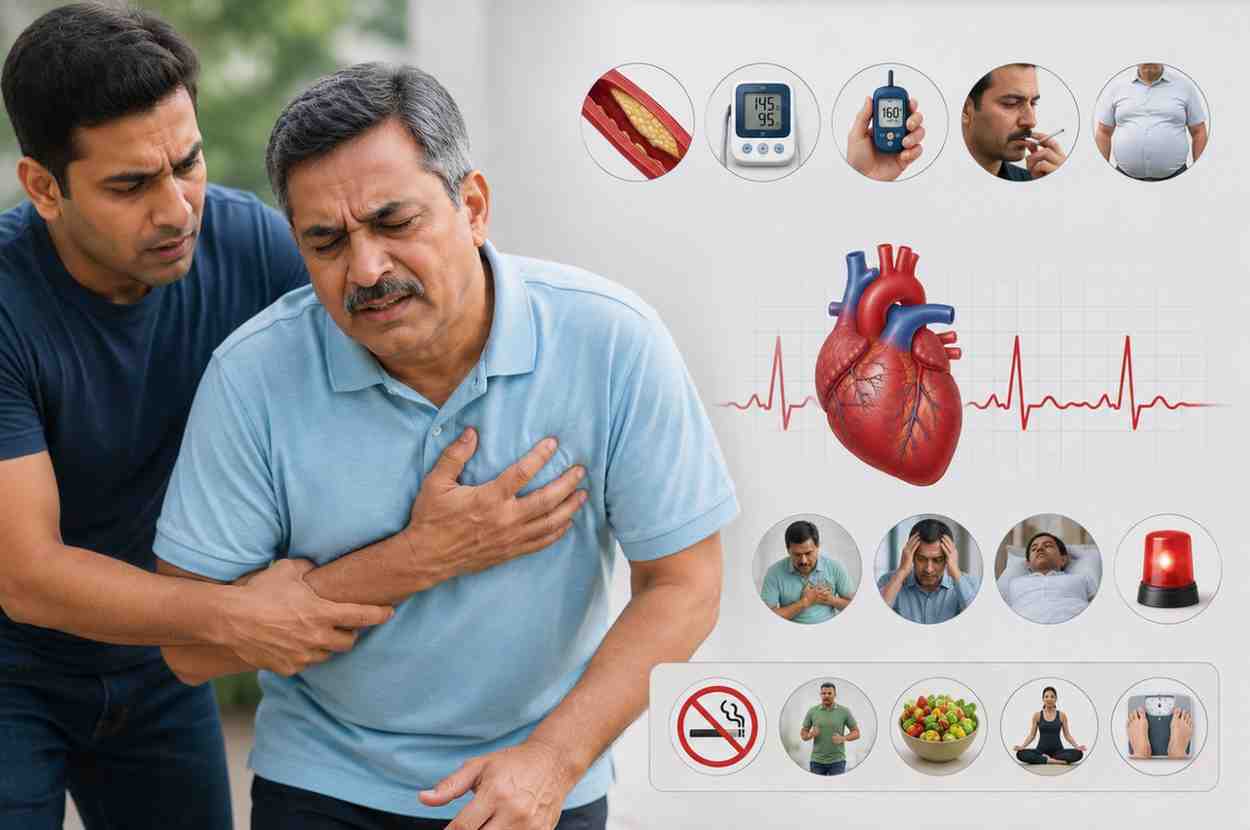
Sudden cardiac arrest is one of the most serious and dangerous medical emergencies worldwide. Every year, close to 10 lakh people die from cardiac arrest in India. What makes sudden cardiac arrest scary is its unpredictability. Unlike other heart diseases or heart attacks, cardiac arrest comes without any warning. One second you’re happy and healthy; the next second you’ve collapsed and are fighting for your dear life. Understanding the risks, causes, symptoms and preventive measures can help save lives.
Sudden cardiac arrest (SCA) is an electrical issue with the heart that causes a dangerously rapid heart rate (ventricular Tachycardia) or an irregular rhythm (Ventricular Fibrillation). SCA can be lethal if not addressed promptly. Often confused with a heart attack, cardiac arrest is not the same. A heart attack occurs when the blood flow to the heart is blocked, while cardiac arrest is primarily a malfunction of the heart’s electrical system. Understanding SCA better is crucial for knowing how to treat cardiac arrest in an emergency situation.
Cardiac arrest is a sudden occurrence, but in reality, its groundwork was being laid quietly for several years and sometimes even decades.
One of the biggest risk factors for SCA is unchecked coronary artery disease. In addition to that, scar tissue from a previous heart attack may also interfere with the heart’s electrical signals and cause SCA.
High blood pressure, diabetes, obesity and smoking continue to place extra strain on the heart, while inherited rhythm disorders can increase the risk even in younger people.
Electrolyte imbalances, particularly involving potassium and magnesium, can also disturb the heart’s rhythm.
Having one or even several of these risk factors doesn’t mean a cardiac arrest will happen. It simply means the heart deserves a little more attention than we often give it.
Several factors can increase the risk of sudden cardiac arrest:
The signs of sudden cardiac arrest are medical emergencies that must be addressed immediately:
Every second counts. Every move matters. First, emergency medical services should be called immediately. If the person is unconscious and is not breathing, start CPR without waiting. If available, use an Automated External Defibrillator (AED). Early defibrillation is one of the most effective interventions in a cardiac arrest situation.
The essential steps for helping a cardiac arrest patient are described as the Chain of Survival, a series of 5 action points, also known as The 5 Rings, that improve the chances of survival and recovery:
Managing risk factors that might lead to a cardiac arrest is the best way to prevent a cardiac arrest.
Exercise regularly, eat a balanced diet, sleep properly, and maintain a healthy weight to reduce cardiovascular health risk.
High BP, diabetes, and high levels of bad cholesterol should be regularly monitored and managed.
Smoking increases the risk of heart disease, as excessive alcohol consumption may contribute to abnormal heart rhythms.
If there’s one thing that sudden cardiac arrest reminds us of is the fact that it is rarely sudden. In more than most cases, it is years of negligence and ignorance. The fact is, heart health is not about treating diseases but more about awareness, preparedness and following a heart-healthy lifestyle where every small step, every move is for the heart’s good health.
In case the cardiac arrest situation occurs around you, remember that taking quick action and observing precise steps of the Chain of Survival can provide the best possible chance of recovery. In case there’s a heart patient around you and you wish to know more about sudden cardiac arrest, consult your cardiologist immediately.
Submit guest articles that reach decision-makers, influencers, and professionals. Yarabook offers a trusted platform for quality content, strong backlinks, and SEO-driven visibility. Pay. Publish. Promote.