

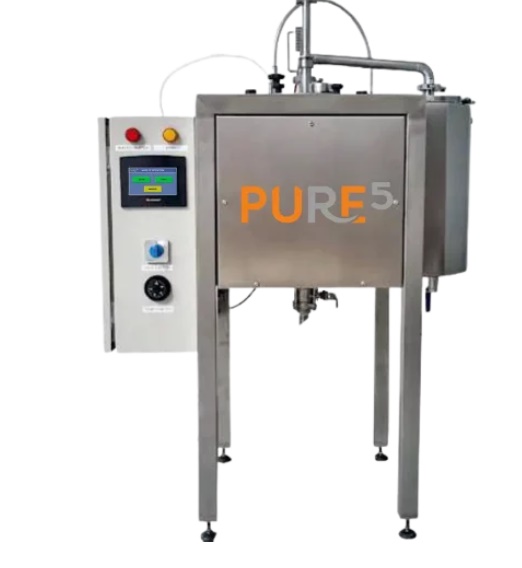
The cannabis industry continues to evolve as producers seek cleaner, safer, and more compliant products. As regulations become stricter and consumer expectations rise, many processors are looking for reliable methods to improve product quality while preserving the natural characteristics of cannabis extracts. One area that has gained increasing attention is organic thc remediation services, which provide a solution for reducing unwanted THC levels while maintaining product integrity.
Cannabis-derived products often require careful refinement before reaching the market. Whether intended for industrial, wellness, or research applications, extracts must meet specific standards related to potency, purity, and consistency. THC remediation is an important part of this process, especially when extracts exceed legal THC thresholds or require reformulation to comply with regulations.
THC remediation refers to the process of reducing or removing tetrahydrocannabinol (THC) from cannabis or hemp extracts. This process helps manufacturers achieve target cannabinoid profiles while remaining compliant with applicable regulations. Depending on the extraction method and source material, THC levels can vary significantly, making remediation a valuable tool for processors.
The remediation process involves specialized techniques that selectively separate THC from other cannabinoids and beneficial compounds. The goal is to create a refined product with lower THC concentrations while preserving desired cannabinoids such as CBD, CBG, or other minor compounds.
Organic approaches to remediation place additional emphasis on maintaining natural processing standards and minimizing the use of harsh chemicals. This focus aligns with the growing demand for cleaner production methods and environmentally responsible manufacturing practices.
THC is the primary psychoactive compound found in cannabis plants. While it plays an important role in many cannabis products, excessive THC levels can create compliance challenges for manufacturers and distributors.
Many regions have established strict limits on THC content, particularly for hemp-derived products. Products that exceed these limits may face restrictions, recalls, or barriers to market access. Maintaining appropriate THC concentrations helps businesses meet legal requirements while ensuring consumer confidence.
THC management is also important for product consistency. Manufacturers aim to deliver reliable cannabinoid profiles so customers receive predictable experiences from batch to batch. Effective remediation contributes to quality control and standardization throughout the production process.
Consumers today are increasingly interested in how products are made. Many seek products created through environmentally conscious practices and transparent production methods. Organic processing principles support these expectations by emphasizing natural techniques and responsible resource management.
When considering organic thc remediation services, manufacturers often prioritize methods that reduce reliance on aggressive solvents or unnecessary additives. These approaches can help maintain the natural composition of extracts while supporting sustainability goals.
Organic-oriented remediation strategies may also contribute to improved product perception among consumers who value clean-label manufacturing practices. Although regulations and certifications vary by region, the overall trend toward responsible production continues to shape industry standards.
Several technologies are used to reduce THC levels in cannabis and hemp extracts. Each method offers distinct advantages depending on the desired outcome and product specifications.
Chromatography is one of the most widely used remediation techniques. It separates cannabinoids based on their chemical properties, allowing THC to be isolated from other compounds. This method offers high precision and can produce highly refined extracts.
Distillation utilizes differences in boiling points to separate cannabinoids and other components. Advanced distillation systems can help reduce THC concentrations while preserving valuable cannabinoids and terpenes.
Membrane-based technologies are increasingly being explored for cannabinoid refinement. These systems use specialized filtration mechanisms to separate compounds efficiently and may support cleaner processing workflows.
Some processors use extraction methods designed to minimize THC collection from the beginning of production. This proactive approach can reduce the need for extensive remediation later in the manufacturing process.
Working with experienced remediation providers offers several advantages for cannabis processors and manufacturers.
One of the primary benefits is improved compliance with THC regulations. Professional remediation services help manufacturers achieve legally acceptable cannabinoid profiles and reduce compliance risks.
Instead of discarding batches that exceed THC limits, remediation allows producers to recover and refine valuable materials. This can reduce waste and improve overall operational efficiency.
Advanced remediation techniques help create cleaner and more consistent extracts. This contributes to product reliability and supports quality assurance initiatives.
Recovering non-compliant material through remediation can often be more cost-effective than replacing entire production batches. Businesses can preserve valuable cannabinoids while achieving regulatory goals.
Although remediation provides significant benefits, it also presents certain challenges. Removing THC without affecting other cannabinoids requires technical expertise and sophisticated equipment.
Cannabinoid compounds often share similar chemical characteristics, making selective separation a complex task. Improper processing may result in reduced potency, altered cannabinoid profiles, or loss of desirable compounds.
Additionally, maintaining consistency across large production volumes requires precise process control and ongoing quality monitoring. Experienced service providers use analytical testing and validation procedures to ensure reliable outcomes.
The cannabis industry continues to innovate in response to changing regulations and market demands. Several trends are influencing the future of remediation services.
Interest in cannabinoids beyond CBD and THC is growing rapidly. Manufacturers are exploring products containing CBG, CBC, CBN, and other compounds. Advanced remediation technologies help preserve these valuable cannabinoids during processing.
Environmental responsibility is becoming an important consideration throughout the cannabis supply chain. Companies are increasingly adopting resource-efficient technologies and cleaner production methods.
Advancements in laboratory testing provide greater insight into cannabinoid composition and product quality. Enhanced testing capabilities support more accurate remediation and verification processes.
Automation is helping improve efficiency, consistency, and scalability in cannabinoid processing operations. Modern remediation systems often incorporate automated controls that optimize performance and reduce variability.
Choosing the right service provider is an important decision for cannabis manufacturers. Several factors should be evaluated during the selection process.
Experience and technical expertise are critical considerations. Providers should have a strong understanding of cannabinoid chemistry and remediation technologies. Analytical capabilities are equally important, as accurate testing supports effective process control.
Transparency is another valuable quality. Providers should clearly communicate their methodologies, quality standards, and testing procedures. Reliable documentation helps manufacturers maintain compliance and demonstrate product integrity.
Scalability should also be considered. As production volumes increase, remediation services must be capable of supporting evolving operational needs without compromising quality.
As the cannabis industry matures, remediation technologies are expected to become increasingly sophisticated. Innovations in separation science, process optimization, and analytical testing will continue to improve efficiency and product quality.
The growing focus on sustainability and clean manufacturing practices may further increase interest in organic thc remediation services. Businesses that prioritize responsible processing methods are likely to benefit from stronger consumer trust and improved market positioning.
At the same time, evolving regulations will continue to influence remediation strategies. Manufacturers must remain informed about compliance requirements and adopt flexible approaches capable of adapting to changing standards.
THC remediation has become an essential component of modern cannabis and hemp processing. By reducing unwanted THC levels and supporting regulatory compliance, remediation services help manufacturers create consistent, market-ready products. Organic-focused approaches add another layer of value by emphasizing cleaner production methods and responsible resource use.
As technology advances and industry expectations continue to evolve, remediation services will remain a critical tool for achieving quality, compliance, and sustainability objectives. Companies seeking reliable cannabinoid refinement solutions can benefit from understanding available remediation techniques and selecting providers that align with their production goals and quality standards.
pure5extraction
Submit guest articles that reach decision-makers, influencers, and professionals. Yarabook offers a trusted platform for quality content, strong backlinks, and SEO-driven visibility. Pay. Publish. Promote.