

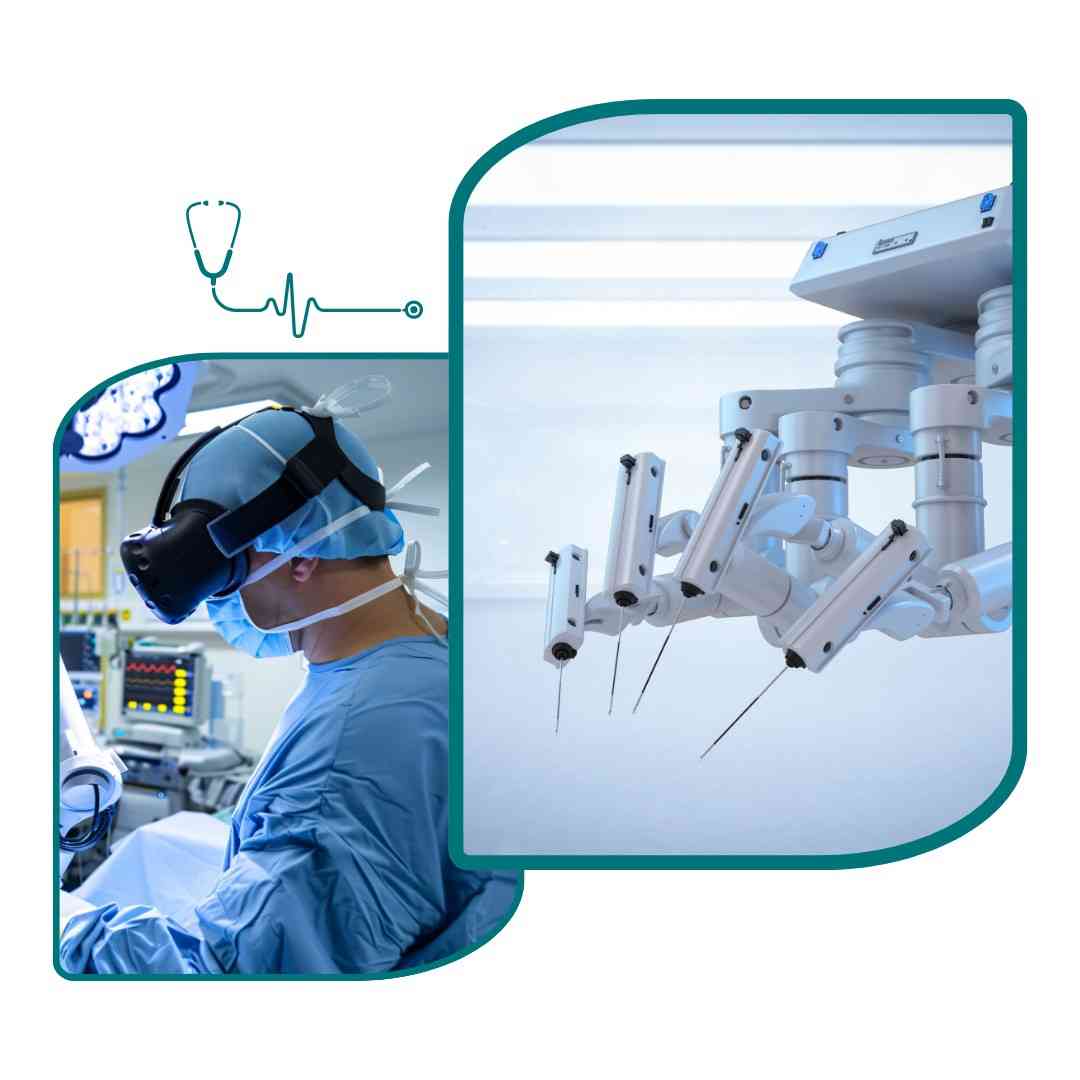
Obesity is a growing health concern that can affect physical health, mobility, emotional well-being, and overall quality of life. While a healthy diet, regular exercise, and lifestyle modifications remain important for weight management, some individuals may continue to experience significant obesity despite consistent efforts. For eligible patients, bariatric surgery can be an effective treatment option for achieving meaningful and sustained weight loss. Robotic Bariatric Surgery in Jalandhar represents an advanced approach in which robotic technology assists the surgeon during minimally invasive weight-loss procedures.
Star Hospital provides comprehensive bariatric care with an emphasis on appropriate patient evaluation, individualized treatment planning, modern surgical techniques, and postoperative support. Patients considering robotic bariatric surgery can consult the specialist team to understand the available procedures, potential benefits, risks, recovery process, and long-term lifestyle requirements.
Robotic bariatric surgery is a minimally invasive surgical technique in which the surgeon uses a robotic surgical system to control specialized instruments. The robotic system does not independently perform the surgery. Instead, the surgeon remains in control throughout the procedure while using the technology to perform precise surgical movements.
Robotic systems can provide high-definition, magnified visualization of the surgical field and allow controlled movement of surgical instruments. These features can be particularly useful when performing delicate steps during bariatric procedures.
The exact surgical technique depends on the patient’s health condition, body weight, medical history, previous surgeries, and treatment goals.
Several types of bariatric procedures may be performed using minimally invasive or robotic-assisted techniques when clinically appropriate.
Sleeve gastrectomy involves removing a substantial portion of the stomach and creating a smaller, sleeve-shaped stomach. The reduced stomach capacity can help patients feel full after eating smaller quantities of food.
The procedure can contribute to significant weight loss when combined with appropriate dietary and lifestyle changes.
Gastric bypass involves creating a smaller stomach pouch and modifying the pathway through which food passes through the digestive system. This can reduce food intake and alter nutrient absorption.
Gastric bypass may be considered for selected patients, particularly those with severe obesity or certain obesity-related metabolic conditions.
The appropriate procedure should always be determined following an individual medical assessment.
Bariatric surgery is not suitable for everyone who wants to lose weight. It is generally considered for individuals with obesity who meet established medical criteria and may benefit from surgical treatment.
During consultation, the bariatric team may evaluate:
Body mass index and weight history
Existing obesity-related health conditions
Previous weight-loss attempts
Dietary and lifestyle habits
Medical and surgical history
Current medications
Psychological and behavioral factors
Readiness to follow long-term lifestyle recommendations
Conditions such as type 2 diabetes, hypertension, obstructive sleep apnea, fatty liver disease, and other obesity-related problems may also be considered when evaluating treatment options.
One of the key advantages of robotic-assisted surgery is the level of precision and visualization available to the operating surgeon. The technology may facilitate controlled movements during minimally invasive procedures.
Depending on the individual procedure and patient condition, potential advantages of a minimally invasive robotic approach may include smaller surgical incisions, reduced tissue disruption, and a potentially smoother recovery compared with certain conventional surgical approaches.
However, outcomes can vary considerably between patients. Robotic technology does not automatically guarantee faster recovery or better results, and the choice of surgical approach should be based on medical suitability rather than technology alone.
The primary objective of bariatric surgery is not simply cosmetic weight reduction. It is intended to help eligible patients achieve substantial weight loss and potentially improve obesity-related health conditions.
Weight loss following bariatric surgery may help improve conditions such as:
Type 2 diabetes
High blood pressure
Sleep apnea
Joint-related problems associated with excess weight
Metabolic health
Physical mobility
Overall quality of life
The extent of improvement varies according to individual health, adherence to treatment recommendations, and long-term lifestyle changes.
Proper preparation is an important part of bariatric treatment. Before surgery, patients may undergo a detailed medical assessment to determine whether the procedure is appropriate.
Depending on individual requirements, evaluation may include blood tests, imaging, nutritional assessment, anesthesia evaluation, and other medical examinations. Patients may also receive guidance regarding diet, physical activity, medications, and other preoperative requirements.
A clear understanding of the procedure and realistic expectations can help patients prepare for their recovery and long-term weight-management journey.
Bariatric surgery is an important medical procedure, but surgery alone does not guarantee permanent weight loss. Long-term success depends on following the recommended dietary and lifestyle plan.
After surgery, patients generally progress through different stages of diet as advised by their healthcare team. Regular follow-up appointments help monitor weight loss, nutritional status, physical health, and recovery.
Patients may also be advised to:
Follow the prescribed diet carefully
Eat smaller portions
Maintain adequate hydration
Take recommended nutritional supplements
Gradually increase physical activity
Attend scheduled follow-up appointments
Follow medical and nutritional guidance
Developing sustainable lifestyle habits is essential for maintaining the benefits of bariatric surgery.
Choosing the right hospital and surgical team is an important decision when considering bariatric surgery. Star Hospital focuses on patient-centered bariatric care, detailed evaluation, surgical planning, and postoperative monitoring.
Patients searching for Robotic Bariatric Surgery in Jalandhar can discuss their individual concerns with the hospital’s bariatric team and learn about suitable treatment options. The team can explain the differences between available procedures, expected outcomes, possible complications, recovery requirements, and the importance of long-term follow-up.
The goal is to ensure that each patient receives an appropriate treatment plan based on their individual medical needs rather than following a one-size-fits-all approach.
Robotic Bariatric Surgery in Jalandhar offers an advanced minimally invasive approach for selected patients who require surgical treatment for obesity. With robotic assistance, surgeons can benefit from enhanced visualization and precise instrument control while performing bariatric procedures.
At Star Hospital, patients can receive comprehensive guidance throughout their bariatric treatment journey, from initial evaluation and procedure selection to surgery and postoperative follow-up. If you are struggling with obesity despite lifestyle efforts, consulting a qualified bariatric surgery team can help you understand whether robotic bariatric surgery is an appropriate option for your health and weight-management goals.
Submit guest articles that reach decision-makers, influencers, and professionals. Yarabook offers a trusted platform for quality content, strong backlinks, and SEO-driven visibility. Pay. Publish. Promote.