

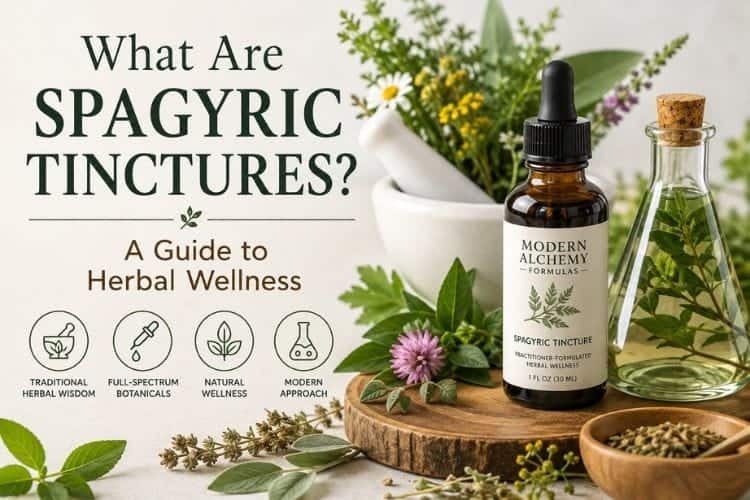
Herbal wellness has been part of traditional health practices for centuries. Across different cultures, people have used plants, roots, flowers, leaves, and other botanical ingredients as part of their daily wellness routines. Today, interest in herbal products continues to grow as people explore different ways to incorporate plant-based ingredients into their lifestyles. Among the many types of herbal preparations available today, spagyric tinctures offer a distinctive approach that combines traditional herbal knowledge with specialized preparation methods.
A tincture is generally a concentrated herbal preparation made by extracting compounds from plant material using a liquid medium, commonly alcohol. This process allows various naturally occurring plant constituents to be extracted and preserved in a convenient liquid format.
Spagyric tinctures are based on a traditional method that goes beyond a standard herbal extraction. The word “spagyric” is associated with an old alchemical tradition involving the separation, purification, and recombination of different components of a plant.
Traditional spagyric practices may involve working with several aspects of the botanical material, including extracted plant constituents, essential oils, and mineral salts obtained through specific processing techniques. These components are then brought together as part of the finished preparation.
The intention behind this traditional approach is to create a more comprehensive botanical preparation while maintaining a connection to historical herbal and alchemical practices.
The roots of spagyric herbalism can be traced to European alchemical traditions. Historical practitioners explored relationships between nature, plants, minerals, and different methods of transformation. Although modern herbal products are developed in a very different scientific and regulatory environment, some contemporary formulations continue to draw inspiration from these historical concepts.
The traditional philosophy behind spagyric preparations emphasizes the idea that a plant contains multiple interconnected components. Instead of focusing on only one isolated constituent, spagyric methods traditionally consider the broader botanical material.
This historical perspective is one reason spagyric tinctures remain interesting to people who appreciate traditional herbalism and botanical wellness.
One of the main differences between a conventional herbal tincture and a spagyric preparation is the processing philosophy.
A conventional tincture typically focuses on extracting desired plant constituents into a liquid solvent. The resulting preparation is then filtered and packaged for use.
A spagyric preparation may involve additional stages designed around separation, purification, and recombination. Depending on the specific formulation and traditional method being followed, this can include working with plant extracts, volatile components, and mineral salts.
Because formulations and production methods can vary, consumers should always review the manufacturer’s product information to understand exactly how a particular spagyric tincture has been prepared.
The growing interest in botanical products has encouraged modern wellness companies to revisit traditional herbal practices while applying contemporary approaches to formulation and quality.
Modern Alchemy Formulas is one example of a brand focused on practitioner-formulated spagyric tinctures. Founded by Dr. Eva Whitmore and Dr. Lisa Koenig, the company combines traditional alchemical herbal practices with modern formulation approaches.
The brand develops botanical formulas intended for people interested in natural wellness and offers both individual herbal formulas and specialized blends. Its product range also includes formulations designed for pets.
This combination of traditional concepts and contemporary product development reflects a broader interest in connecting historical botanical knowledge with modern wellness practices.
Although herbal products can be an interesting part of a wellness routine, consumers should approach them thoughtfully. Natural ingredients can have biological effects, and “natural” does not automatically mean that a product is appropriate for everyone.
Before introducing a new herbal product into a personal routine, it is important to read the product label, review the ingredients, and follow the manufacturer’s directions. People who take prescription medications or have specific health concerns should also consider discussing herbal products with a qualified healthcare professional.
Pregnant or nursing individuals and people preparing for medical procedures may require additional guidance before using certain botanical products.
Responsible use also involves purchasing products from companies that provide clear information about their ingredients, intended use, and formulation practices.
There are several reasons for the growing interest in herbal and botanical wellness products. Some people appreciate traditional herbal knowledge, while others are interested in plant-based ingredients or want to explore alternatives to highly processed wellness products.
Liquid herbal preparations can also be convenient for people who prefer tinctures over capsules or tablets. However, individual preferences and needs vary, so there is no single type of herbal preparation that is right for everyone.
Learning about the history, ingredients, and preparation methods behind a product can help consumers make more informed decisions.
Quality and transparency are important considerations when selecting any wellness product. Consumers should look for clear ingredient information and straightforward product descriptions.
Brands that explain their formulation philosophy can also help customers better understand what makes their products different. This is particularly relevant for specialized products such as spagyric tinctures, where the preparation method may differ significantly from a standard herbal tincture.
Understanding how a product is made can provide useful context and allow consumers to compare different botanical preparations based on their individual preferences.
Spagyric tinctures represent an interesting intersection between traditional herbalism and contemporary botanical wellness. While the historical practices behind spagyrics come from a very different era, modern interest in these preparations demonstrates the continuing appeal of traditional approaches to working with plants.
For those interested in herbal wellness, learning about different preparation methods can be a valuable part of exploring the broader world of botanical products. Spagyric tinctures are one example of how traditional ideas can continue to influence modern wellness products.
Modern Alchemy Formulas focuses on practitioner-formulated spagyric tinctures and botanical formulas, bringing together traditional herbal concepts and modern formulation approaches. Those interested in learning more about its products and philosophy can visit the company’s website at modernalchemyformulas.com.
As interest in herbal wellness continues to develop, education, transparency, and responsible use will remain important. Whether someone is familiar with traditional herbalism or simply beginning to explore botanical products, understanding the origins and preparation methods behind different formulas can make the journey more informative and meaningful.
Submit guest articles that reach decision-makers, influencers, and professionals. Yarabook offers a trusted platform for quality content, strong backlinks, and SEO-driven visibility. Pay. Publish. Promote.