

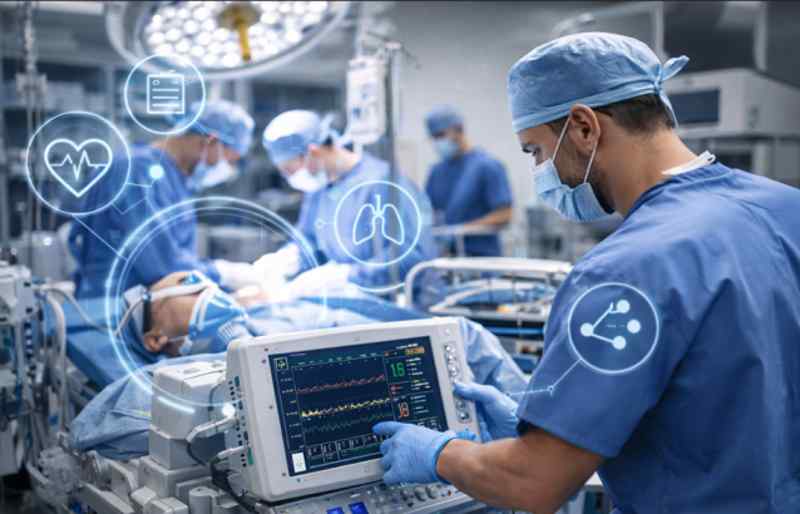
Hospitals and surgical centres perform a wide range of procedures that require careful planning and execution. Each step of a procedure must be managed with precision to ensure patient stability and comfort.
Anesthesia management plays a central role in this process because it directly affects patient safety during medical procedures. From controlling pain to maintaining vital functions, anesthesia requires continuous monitoring and timely adjustments. Due to the complexity and responsibility involved, healthcare facilities rely on qualified anesthesia providers who can manage patient conditions effectively and ensure that procedures are completed safely.
Every successful procedure begins with a detailed patient evaluation. Before anesthesia is administered, professionals assess various factors such as medical history, allergies, medications, and underlying health conditions. This evaluation helps determine the safest and most effective anesthesia approach for each individual.
Patients with chronic conditions such as heart disease or respiratory issues may require specialized anesthesia plans. Age and body weight also influence how anesthesia medications are processed by the body. By carefully analyzing these factors, professionals can minimize risks and improve procedural safety.
Clear communication during this stage also helps reduce patient anxiety. When patients understand how anesthesia will be managed, they feel more confident and prepared for the procedure.
Administering anesthesia requires precise control over medication levels. The goal is to provide sufficient sedation to eliminate pain while maintaining stable physiological functions. Achieving this balance is essential for patient safety.
Different procedures require varying levels of sedation. Minor treatments may involve light sedation, while complex procedures require deeper anesthesia. Professionals must carefully determine the appropriate dosage based on the patient’s condition.
Continuous observation allows for adjustments throughout the procedure. This ensures that sedation remains effective without causing complications.
Continuous monitoring is one of the most critical responsibilities in anesthesia care. During procedures, vital signs such as heart rate, blood pressure, oxygen levels, and breathing patterns must be observed closely.
Even minor changes in these indicators may signal potential complications. Immediate intervention may be necessary to stabilize the patient and prevent serious issues. Advanced monitoring systems provide real-time data that helps professionals detect these changes quickly.
However, interpreting this data accurately requires clinical expertise and experience.
Anesthesia professionals undergo extensive education and training in medical science. Their studies include pharmacology, physiology, airway management, and emergency response techniques. This knowledge enables them to understand how anesthesia medications interact with the body.
Because anesthesia affects multiple body systems, precise management is essential. Professionals must calculate dosages carefully and adjust them as needed during procedures.
Experience also plays a key role in developing expertise. Over time, professionals learn to recognize early warning signs and respond effectively to unexpected changes.
Healthcare procedures rely on strong teamwork among medical professionals. Surgeons, nurses, technicians, and anesthesia specialists must coordinate their efforts to ensure safe and efficient operations.
Before procedures begin, teams typically review patient details and discuss the planned approach. This preparation ensures that everyone understands their responsibilities.
During the procedure, communication remains essential. If patient conditions change or complications arise, team members must respond quickly and adjust their actions accordingly.
Effective collaboration improves efficiency and reduces the risk of errors.
Modern healthcare facilities use advanced technology to enhance anesthesia management. Monitoring systems provide accurate and continuous data about patient conditions during procedures.
These systems track vital indicators such as oxygen levels, heart rhythm, and respiratory activity. Real-time monitoring allows professionals to detect potential issues early and take corrective action.
Although technology improves safety, it cannot replace human expertise. Skilled professionals must interpret data and make informed decisions based on clinical judgment.
Anesthesia care continues after the procedure is completed. During the recovery phase, patients must be monitored closely as the effects of anesthesia gradually wear off.
Medical professionals observe vital signs and ensure that patients regain consciousness safely. Some patients may experience temporary side effects such as nausea or dizziness.
Proper monitoring during recovery helps prevent complications and ensures a smooth transition to full awareness.
Healthcare facilities that prioritise effective anesthesia management often experience long-term benefits. Safe procedures lead to fewer complications and improved patient satisfaction.
Efficient anesthesia practices also enhance workflow within medical institutions. When procedures run smoothly, healthcare teams can manage patient volumes more effectively.
Over time, consistent performance strengthens the reputation of healthcare organizations and builds trust among patients.
Anesthesia management is a vital component of modern medical care. From patient evaluation and sedation control to continuous monitoring and recovery support, every stage requires precision and expertise.
By combining skilled professionals, advanced technology, and effective teamwork, healthcare facilities can maintain high standards of patient safety. Reliable anesthesia care ensures that medical procedures are safe, efficient, and successful for every patient.
Submit guest articles that reach decision-makers, influencers, and professionals. Yarabook offers a trusted platform for quality content, strong backlinks, and SEO-driven visibility. Pay. Publish. Promote.