

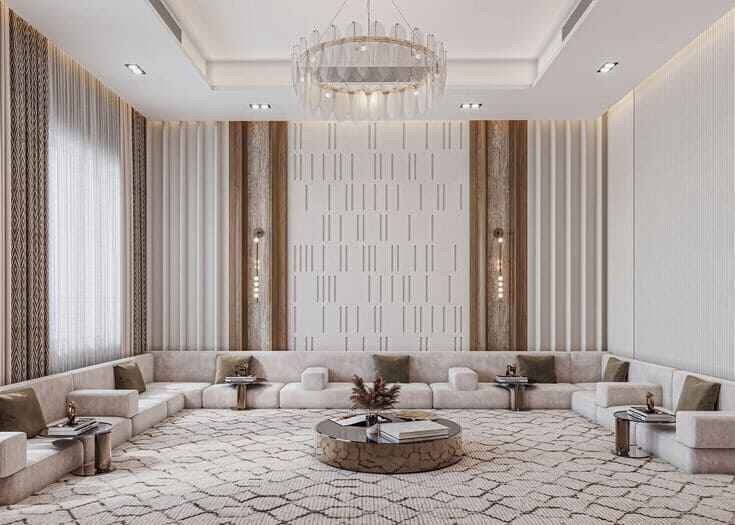
Arabic majlis sofas are more than just seating—they represent a deep-rooted cultural tradition in the UAE, especially in Dubai. Blending heritage with modern luxury, these sofas continue to define how people gather, host, and experience hospitality in Emirati homes.
The word “Majlis” literally means “a place of sitting,” and it refers to a dedicated space where guests are welcomed and conversations take place. In Dubai, the majlis is considered the heart of the home—a symbol of generosity, respect, and social connection.
Unlike a typical living room, a majlis is designed specifically for hosting guests, often separated from private family spaces. It reflects the values of hospitality that are central to Arab culture.
At the center of every majlis is the sofa arrangement. Arabic majlis sofas are designed to encourage conversation, comfort, and inclusivity. Traditionally arranged along the walls, these sofas create an open and welcoming environment where everyone sits at equal level.
In Dubai homes, the majlis sofa is not just furniture—it is a statement of style, culture, and identity. It plays a key role in creating a warm atmosphere where guests feel valued and respected.
Traditional majlis sofas are known for their unique features:
These elements together create a cozy yet elegant environment that reflects Emirati traditions.
Dubai’s modern lifestyle has influenced the evolution of majlis sofas. Today’s designs combine traditional concepts with contemporary aesthetics:
Modern majlis interiors focus on balancing comfort, privacy, and elegance while preserving cultural identity.
Arabic majlis sofas in Dubai are typically crafted using high-quality materials to ensure durability and comfort:
Customization is a major trend, allowing homeowners to select fabric, size, color, and layout according to their interior theme.
Sustainability is also becoming an important consideration in the design of Arabic majlis sofas in Dubai. Many furniture brands are now focusing on eco-friendly materials, responsibly sourced wood, and durable fabrics that reduce the need for frequent replacement. Customers are increasingly aware of long-term value, choosing high-quality pieces that not only look luxurious but also stand the test of time. This shift reflects Dubai’s growing emphasis on conscious living without compromising on style or cultural authenticity.
There are several reasons why majlis sofas remain highly popular:
Even in contemporary apartments and villas, the majlis concept continues to thrive as a unique blend of tradition and lifestyle.
In addition to their visual appeal, Arabic majlis sofas in Dubai are also designed with functionality in mind. Many modern designs incorporate hidden storage beneath seating, removable cushion covers for easy maintenance, and modular sections that can be rearranged for different occasions. This makes them ideal for both everyday family use and large social gatherings. With Dubai’s fast-paced lifestyle, homeowners increasingly prefer majlis sofas that offer both elegance and practicality without compromising on comfort.
Another key aspect that enhances the beauty of a majlis is the overall styling and accessories paired with the sofas. Elements such as decorative cushions, traditional carpets, Arabic coffee tables and warm ambient lighting play a vital role in completing the space. In Dubai, interior designers often blend classic Arabian décor with modern accents—like marble finishes, metallic touches, and statement lighting—to create a luxurious majlis setting that feels both timeless and contemporary.
When selecting an Arabic majlis sofa in Dubai, consider:
A well-designed majlis enhances not just your interior—but also the experience of hosting.
Arabic majlis sofas in Dubai beautifully represent the fusion of tradition and modern luxury. While their roots lie in centuries-old customs of hospitality, their designs have evolved to meet contemporary tastes and lifestyles. Whether traditional or modern, a majlis sofa remains an essential element of Emirati homes—bringing people together in comfort, style, and cultural pride.
Submit guest articles that reach decision-makers, influencers, and professionals. Yarabook offers a trusted platform for quality content, strong backlinks, and SEO-driven visibility. Pay. Publish. Promote.