

Pigeons rarely pick a random spot. They settle where a building gives them shelter, a flat surface and a little peace. The trouble is that most homes offer several such places at once: the balcony corner, the gap behind the air-conditioner, the unused terrace and the window ledge. Fix only one and the birds simply move to the next. This checklist walks through the usual trouble spots in a home, one by one, and explains what tends to work in each.
Bird problems usually spread. A pigeon that nests on one balcony will often explore the neighbouring ledge, duct and rooftop within days. Looking at the whole property, instead of the one spot that bothers you most, saves effort and stops the problem from moving around the building.
Before you start, walk around your home at different times of the day. Early morning and evening are when birds are most active. Note where you see feathers, droppings, twigs or nesting material.
Balconies are the most common trouble spot because they offer a roof, a corner and plenty of quiet. Pay attention to the top edge, where birds slip in between the railing and the ceiling, and to the corners where two walls meet.
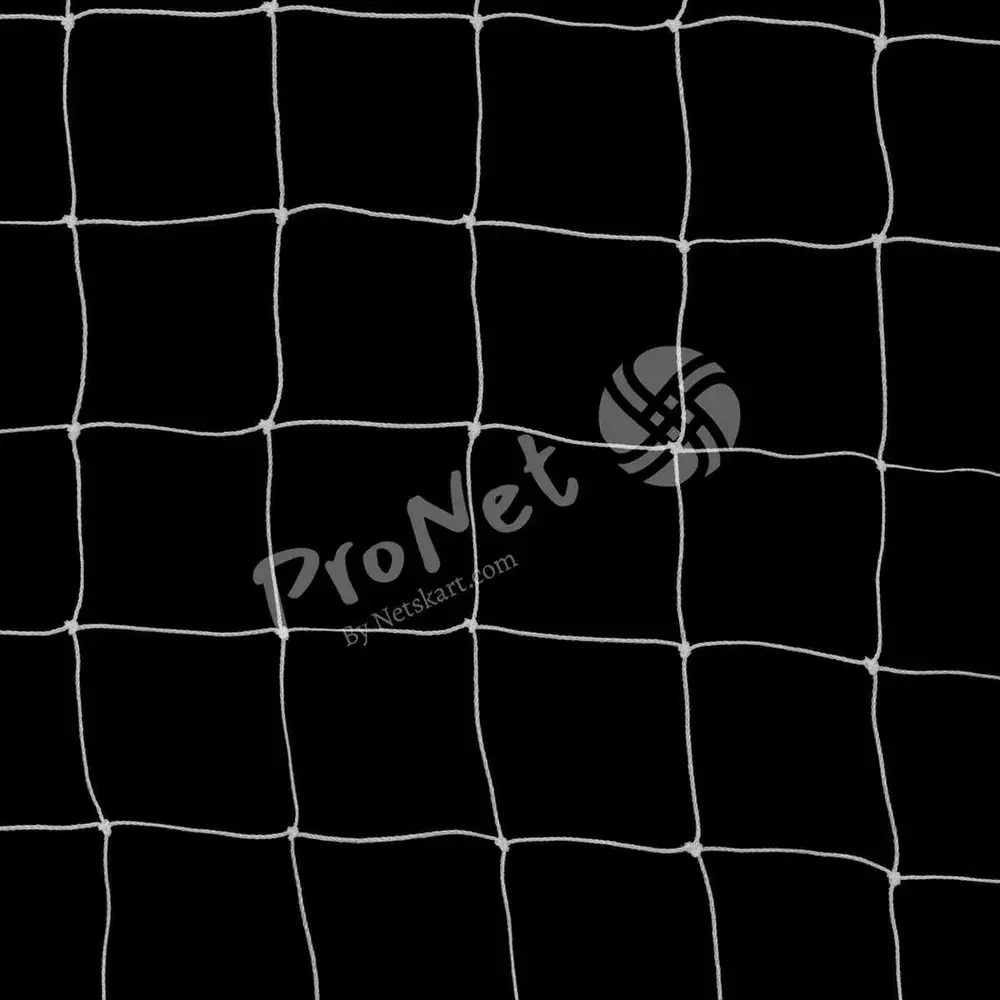
For a lasting fix, cover the open side completely with a bird net fixed from floor to ceiling. Partial covers leave gaps that birds find quickly. Whatever you choose, keep it taut and close every corner.
A narrow ledge looks harmless, but a pigeon only needs a few centimetres to rest. Ledges above windows and sunshades are also popular because they shield birds from rain.
If the ledge is deep enough to land on, consider covering the opening beneath it with netting or fitting a slanted surface that gives birds nothing to stand on. Check that the fix does not block ventilation or the way you open the window.
The space behind and around outdoor AC units is warm, dry and hidden, which makes it ideal for nesting. Ducts and pipe shafts offer the same comfort. Birds that nest here can also block vents and cause cleaning problems that are hard to reach.
Wrap the open sides of the AC platform or duct with netting, leaving the unit enough room to breathe. Never cover air intakes or exhausts in a way that restricts airflow, and ask a technician if you are unsure.
Open terraces, water tank areas and rooftop gardens give birds plenty of room to feed and rest. Grain, water and fallen fruit draw them in even more.
Reduce the attraction first by keeping food scraps and spilled grain out of reach, and covering water tanks. For larger areas, a light overhead net on a simple frame can keep birds off planters and seating while still letting sunlight through.
Open stairwells and covered parking areas in apartment buildings are quiet, shaded and sheltered. They often belong to the whole society, so a shared decision works better than individual fixes. Netting across open stair sides or beams can close the space without changing how the building looks.
Gaps under solar panels are a favourite nesting site, and droppings can build up on the glass and the frame. Mesh fitted around the edge of the panels, installed by a qualified person, stops birds from getting underneath. Avoid anything that shades the panels or traps heat.
Before installing anything, clear old nests and droppings. Wear gloves and a mask, dampen the area lightly to avoid raising dust, and dispose of waste in a sealed bag. Wash your hands afterwards. If there is a large amount of droppings, or you cannot reach the spot safely, a cleaning professional is the better choice.
Even a good fix needs a look every few months. Run your hand along the edges, spot any slack or damage, and watch for fresh signs of activity. Mending a small problem early is much easier than starting again.
Bird-proofing works best when it covers the whole home and relies on simple, humane barriers such as a well-fitted bird net. Take a walk around your property, mark each spot from the checklist above and deal with them in order. A little planning now saves you from repeating the same cleaning every week.
Readers who want to see what is available can browse the bird net range for balconies, windows and terraces at netskart.com.
bird proofing, balcony safety, home maintenance, pigeon net, terrace, pigeon control,
Submit guest articles that reach decision-makers, influencers, and professionals. Yarabook offers a trusted platform for quality content, strong backlinks, and SEO-driven visibility. Pay. Publish. Promote.