

Choosing interior materials is one of the most important decisions in any construction or renovation project. Whether designing a retail store, office, hospitality space, or residential interior, business owners often struggle to balance three key factors: cost, durability, and design appeal.
Many projects fail not because of poor planning, but because materials are selected based on appearance alone or price alone. The result can be frequent repairs, unexpected maintenance expenses, or interiors that lose their visual impact quickly.
This guide explains how to make practical and informed material choices that support long-term performance while maintaining attractive design outcomes.
Interior surfaces influence how customers experience a space. Furniture finishes, wall panels, counters, and partitions are constantly exposed to daily usage. Poor material decisions can create problems such as:
Business owners need materials that not only look good at installation but also perform reliably over time. A balanced approach helps reduce lifecycle costs while improving overall functionality.
Instead of viewing materials as an expense, professionals consider them an investment. The right balance comes from understanding how each factor affects the project.
Many clients focus only on upfront expenses. However, lower-cost materials may require frequent replacements, increasing long-term spending.
Smart budgeting considers:
Choosing slightly higher-quality materials often saves money over time because durability reduces operational interruptions.
Durability determines how well materials handle real-world conditions. Commercial interiors especially need surfaces that resist scratches, moisture, and impact.
High-performance materials are essential for:
Strong materials protect investments and maintain a professional appearance for years.
Design is more than decoration. It communicates brand identity and influences customer perception. Modern interiors combine aesthetics with performance-driven materials.
Popular design expectations include:
When design and durability work together, interiors remain attractive without frequent updates.
Modern engineered surfaces help achieve balance by offering performance and flexibility.
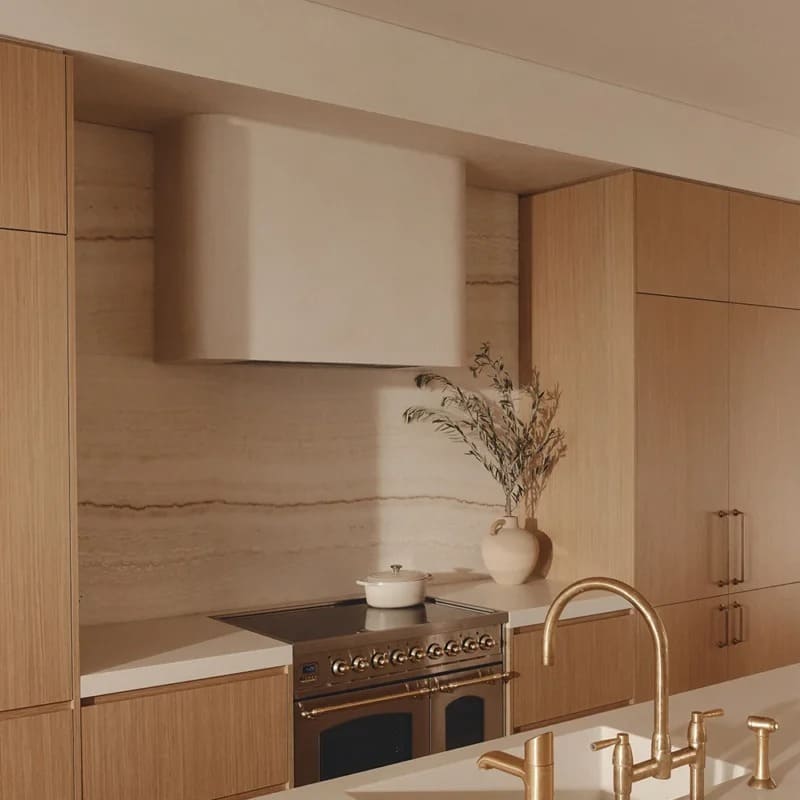
Wood surfaces bring warmth and authenticity to interiors. Veneers allow designers to achieve a real timber appearance without using solid wood panels.
The growing demand for timber veneer Australia solutions reflects a shift toward sustainable and refined interiors. Veneers provide natural grain patterns while using resources efficiently. They are ideal for reception areas, executive furniture, feature walls, and premium commercial environments where visual quality matters alongside budget control.
Material quality depends heavily on sourcing. Inconsistent supply can lead to colour variation and installation delays.
Choosing an experienced Wood Veneer Supplier ensures consistent grading, proper finishing, and dependable availability. Professional suppliers guide clients in selecting suitable species, finishes, and thickness based on climate conditions and usage needs. This support helps prevent costly design mismatches and improves project efficiency.
As Australia’s leading timber veneer and compact laminate sheets provider, New Age Veneers supports architects and business owners with dependable material solutions tailored for modern interior requirements.
Laminates are widely used because they combine affordability with durability. They are engineered to resist stains, scratches, and daily wear, making them suitable for functional spaces.
Premium Timber Laminates offer the appearance of wood textures while delivering enhanced resistance to impact and moisture. These materials work well in workstations, cabinetry, and commercial furniture where maintenance simplicity is essential. Businesses benefit from consistent finishes across large installations while maintaining controlled project budgets.
Certain areas require materials that go beyond standard performance levels.
Projects involving wet zones or high traffic often require Quality Compact Laminates due to their dense structure and strong resistance to humidity and impact. These panels are commonly used in restrooms, healthcare facilities, laboratories, and commercial kitchens. Their long lifespan reduces replacement frequency, helping businesses manage operational costs effectively.
Understanding what to avoid is equally important.
Choosing based only on appearance
A visually appealing surface may not suit heavy usage environments.
Ignoring maintenance needs
Complex finishes can increase cleaning time and operational costs.
Overlooking environmental conditions
Moisture, sunlight exposure, and temperature changes affect material performance.
Working without expert guidance
Professional advice ensures materials align with project goals.
Avoiding these mistakes improves both durability and financial efficiency.
Business owners can simplify material selection by following a structured approach:
This process reduces uncertainty and supports better long-term outcomes.
Interior design continues evolving toward smarter and more sustainable solutions. Emerging trends include:
Businesses increasingly prioritise materials that combine sustainability with performance, ensuring interiors remain relevant and efficient.
Balancing cost, durability, and design is not about compromise—it is about making informed decisions. The best interiors are created when materials support both visual goals and functional demands.
Natural veneers provide elegance, engineered laminates deliver practicality, and compact panels offer strength for demanding environments. With guidance from experienced suppliers like New Age Veneers, businesses across Australia can confidently choose materials that enhance appearance, reduce maintenance challenges, and deliver long-term value.
Careful material selection ultimately protects investment, strengthens brand perception, and creates interiors that perform as beautifully as they look.
Submit guest articles that reach decision-makers, influencers, and professionals. Yarabook offers a trusted platform for quality content, strong backlinks, and SEO-driven visibility. Pay. Publish. Promote.