

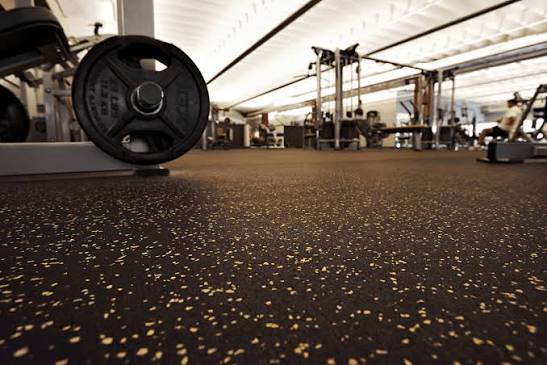
A well-designed gym needs more than high-quality equipment and a spacious layout. The flooring also plays an important role in creating a safe, comfortable, and professional workout environment. During workouts, weights can be dropped, machines can produce vibrations, and constant foot movement can create significant noise. Gym flooring Dubai helps reduce these problems by absorbing impact, minimizing vibrations, and providing a stable surface for different types of exercise.
Whether you operate a commercial fitness center, private training studio, hotel gym, or home workout space, choosing the right flooring can improve both performance and comfort. It can also protect the underlying floor from damage caused by heavy equipment and repeated impact.
Noise is a common concern in busy gyms, particularly in areas where people perform weightlifting, functional training, or high-intensity workouts. Hard concrete and tile surfaces reflect sound rather than absorbing it. As a result, footsteps, dropped weights, moving machines, and other activities can create excessive noise.
Quality gym flooring is designed with materials that help absorb sound and vibrations. Rubber flooring, for example, has natural shock-absorbing properties that can reduce the amount of sound produced when weights hit the surface. This makes the workout environment more comfortable for gym users and can help prevent excessive noise from spreading to nearby rooms or floors.
The thickness and density of the flooring also affect its acoustic performance. Thicker rubber tiles and specialized gym mats generally provide better impact absorption than thin flooring materials. For areas with heavy lifting or intense workouts, selecting an appropriate thickness can make a noticeable difference.
Gym equipment can be extremely heavy. Treadmills, weight machines, racks, benches, dumbbells, and barbells place considerable pressure on the floor. Repeated movement and impact can eventually damage an unsuitable surface.
Gym flooring creates a protective layer between the equipment and the original floor. When weights are dropped or equipment is moved, the flooring absorbs a portion of the impact. This helps reduce pressure on the subfloor and minimizes the risk of cracks, dents, scratches, and other damage.
Shock-absorbing flooring is especially useful in weightlifting zones. Instead of allowing the entire force of a dropped weight to transfer directly into the concrete, rubber flooring helps distribute and absorb the impact. This protects the floor while also making the workout area safer.
Different workout areas require different flooring solutions. Understanding the available options can help gym owners choose a product that matches their requirements.
Rubber is one of the most popular choices for gyms because it provides excellent durability, impact resistance, and sound absorption. Rubber tiles, rolls, and mats can be installed in weight rooms, fitness centers, CrossFit areas, and home gyms.
EPDM flooring is known for its durability and attractive appearance. It is available in a variety of colors and designs, making it suitable for gyms that want both performance and visual appeal. It can also provide good shock absorption for active workout areas.
PVC flooring offers durability and easy maintenance. It is available in different textures and designs and can be suitable for fitness studios, commercial gyms, and multipurpose workout spaces.
Interlocking tiles are convenient because they can be installed without complex permanent fixing in many applications. Individual tiles can also be replaced if one section becomes damaged, making them practical for changing gym layouts.
The advantages of gym flooring extend beyond reducing noise and equipment impact. A quality flooring system can provide improved traction, helping users maintain stability during exercises. Slip-resistant surfaces can be particularly valuable during workouts involving rapid movement or bodyweight exercises.
Gym flooring can also improve comfort. Exercises such as jumping, running, lunging, and stretching are easier on a suitable cushioned surface than on hard concrete. This can help create a more comfortable experience during longer training sessions.
Another benefit is easier maintenance. Many modern gym flooring products are designed to withstand frequent cleaning and heavy daily use. This is particularly important for commercial gyms where floors are exposed to sweat, dirt, moisture, and constant foot traffic.
When selecting gym flooring, consider the type of activities performed in the space. A weightlifting area may require thicker, highly impact-resistant rubber flooring, while a yoga or stretching studio may benefit from a softer and more comfortable surface.
Consider factors such as flooring thickness, durability, slip resistance, sound absorption, maintenance requirements, appearance, and installation method. The existing subfloor should also be inspected before installation to ensure it is clean, level, and suitable for the selected flooring.
For areas with heavy equipment and frequent weight drops, investing in high-quality impact-resistant flooring can provide better long-term protection than choosing a product based only on its initial price.
Proper installation is important for achieving the best performance from gym flooring. The subfloor should first be cleaned and prepared. Any major cracks, uneven areas, or moisture problems should be addressed before installation.
Depending on the flooring type, tiles or rolls can then be positioned according to the planned layout. Interlocking tiles can be connected together, while certain rubber rolls or other flooring products may require adhesive installation.
After installation, the flooring should be checked to ensure that sections are properly aligned and securely positioned. Correct installation helps create a stable and professional workout surface.
Gym flooring is an essential part of creating a safe, durable, and comfortable fitness environment. By absorbing shock and reducing vibrations, it can help minimize noise while protecting the underlying floor from equipment impact. Materials such as rubber, EPDM, PVC, and interlocking tiles offer different advantages for various workout environments.
Choosing flooring based on the gym’s activities, equipment, traffic levels, and maintenance requirements can provide better long-term performance. With the right gym flooring solution, fitness centers and home gyms can offer a quieter, safer, and more comfortable space for users while protecting their investment in expensive equipment and flooring infrastructure.
Submit guest articles that reach decision-makers, influencers, and professionals. Yarabook offers a trusted platform for quality content, strong backlinks, and SEO-driven visibility. Pay. Publish. Promote.