

Monsoon weather can be challenging for residential buildings. Heavy rainfall, strong winds, high humidity, and constant moisture exposure often test the durability of roofing materials. Many homeowners face problems such as roof leakage, structural damage, algae growth, and frequent repairs during the rainy season.
Because of these challenges, choosing the right roofing system becomes essential for protecting homes. Many property owners compare stone coated steel roofing and asphalt tiles when planning a durable roof for monsoon-prone regions. Both materials are used in modern construction, but their performance during heavy rainfall differs in several ways.
Understanding how these roofing options respond to monsoon conditions helps homeowners make a practical and reliable choice. This article explains the differences between stone coated roofing and asphalt tiles, and which option performs better in wet climates.
The monsoon season brings intense rainfall that can last for weeks or even months. During this time, roofs must handle continuous water flow, strong wind pressure, and increased humidity.
Some common roofing problems during monsoon periods include:
If a roofing material cannot handle these conditions effectively, homeowners may face frequent repairs and higher maintenance costs.
Selecting a roofing system designed to withstand heavy rainfall can help prevent these problems.
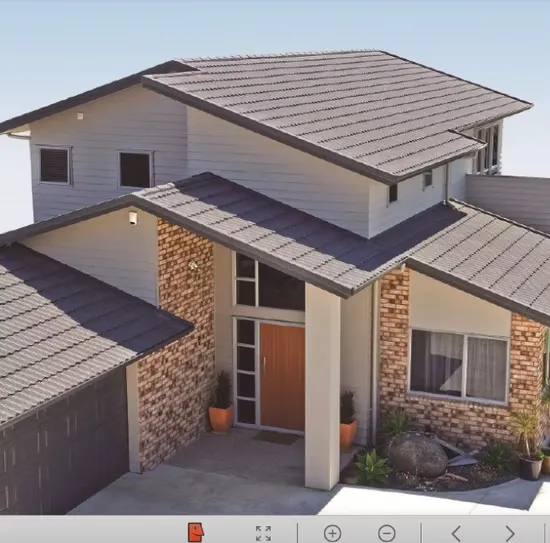
Stone coated roofing is a modern roofing solution designed to provide both strength and durability. The structure consists of a steel base layer protected by multiple coatings and finished with natural stone granules.
This combination of metal and stone provides excellent protection against environmental stress. Many stone coated metal roofing manufacturers design these products specifically for regions that experience harsh weather conditions, such as heavy rain, strong winds, and extreme temperatures.
The stone coating improves durability while also enhancing the visual appearance of the roof.
Because of these features, stone coated roofing has become a preferred option for homeowners who want long-lasting protection.
Asphalt tiles, also known as asphalt shingles, are widely used in many parts of the world. These tiles are made from fibreglass or organic base materials coated with asphalt and mineral granules.
They are commonly chosen because they are relatively affordable and easy to install. Asphalt tiles are usually layered across the roof to create a waterproof barrier.
While asphalt tiles provide basic protection, their performance in heavy rainfall depends on installation quality and environmental conditions.
The ability of a roof to manage continuous rainfall is critical during monsoon seasons.
Stone coated roofing performs well under heavy rainfall due to its strong structural design. The steel base prevents cracking, while the protective coatings help stop water penetration.
The stone granules improve the roof surface, allowing rainwater to flow smoothly without collecting on the tiles. This reduces the risk of leaks and structural damage.
Because the roofing panels are securely fixed, they remain stable even during intense rainstorms.
Asphalt tiles can resist moderate rainfall, but prolonged exposure to heavy monsoon conditions may create challenges.
Continuous moisture can gradually weaken asphalt materials over time. Strong wind combined with heavy rain may also lift or loosen tiles if they are not installed securely.
In areas with frequent storms, asphalt roofs may require more regular inspection and maintenance.
Monsoon weather often includes strong winds that place pressure on roofing materials.
Stone coated roofing systems are designed with secure fixing methods that help them stay firmly attached to the roof structure. The steel base provides additional strength, making the roofing system highly stable during storms.
Asphalt tiles rely mainly on adhesive layers and nails for attachment. While this method works under normal conditions, extreme wind pressure may loosen tiles or cause partial damage.
Stronger attachment systems generally perform better during severe weather events.
Moisture resistance is another critical factor when comparing roofing materials for monsoon climates.
Stone coated roofing is designed to resist corrosion and moisture penetration. The protective coatings create a barrier that prevents rust and maintains structural integrity over time.
Asphalt tiles may absorb some moisture if exposed to constant rainfall for long periods. Over time, this can cause gradual deterioration of the material.
In humid climates where roofs remain wet for extended periods, durable moisture-resistant materials provide better long-term performance.
Roofing weight also plays an important role in building design.
Stone coated roofing systems are lightweight yet strong. This combination reduces pressure on the building structure while maintaining high durability.
Asphalt tiles are also relatively lightweight, but their layered installation may create uneven stress points if the roof structure is not designed properly.
Balanced structural weight helps ensure long-term building stability.
Maintenance is an important consideration for homeowners who want a roof that performs well with minimal upkeep.
Stone coated roofing usually requires limited maintenance. The protective coatings prevent corrosion and reduce the growth of algae or moss.
Occasional inspection is generally sufficient to keep the roofing system functioning effectively.
Asphalt tiles may require more frequent maintenance in areas with heavy rainfall. Damaged or loose tiles may need replacement to prevent water leakage.
Many homeowners initially compare roofing materials based on cost. Asphalt tiles are often considered a budget-friendly option during installation.
However, repair and maintenance costs may increase over time if the roofing system is exposed to continuous heavy rainfall.
Stone coated roofing offers strong durability and a longer service life. Companies such as Roofi India provide high-quality roofing solutions at an affordable price while maintaining excellent product standards.
By maintaining direct contact with manufacturers, Roofi ensures consistent quality and reliable supply for residential construction projects.
Homeowners increasingly prefer stone coated roofing for monsoon-prone areas due to several advantages.
These include:
These features make stone coated roofing a reliable solution for protecting homes during monsoon seasons.
Roofi is recognised as India’s leading trusted stone coated roofing tiles supplier, providing reliable roofing materials designed specifically for residential buildings.
With over 10 years of experience in this industry, the company understands the challenges that monsoon weather can create for homeowners. Their roofing products are selected to ensure durability, performance, and long-term protection.
Roofi focuses on delivering quality products that meet modern construction requirements while remaining cost-effective for homeowners. The company has successfully served 100+ happy customers, reflecting strong customer satisfaction and trust.
By working closely with stone coated metal roofing suppliers and trusted manufacturers, Roofi ensures consistent quality and reliable roofing solutions.
The company focuses only on residential buildings, helping homeowners find roofing systems that provide strong protection against challenging weather conditions.
Monsoon climates place significant pressure on roofing systems. Continuous rainfall, humidity, and strong winds require roofing materials that can provide reliable protection.
Asphalt tiles offer an economical roofing option and are suitable for moderate weather conditions. However, prolonged exposure to heavy rainfall may increase maintenance requirements.
Stone coated roofing combines steel strength, protective coatings, and durable stone granules to create a roofing system that performs well during intense monsoon seasons.
For homeowners seeking a long-lasting roofing solution that can handle heavy rain and strong storms, stone coated roofing provides a reliable and practical choice.
With experienced suppliers like Roofi supporting the process, homeowners can confidently invest in roofing materials that protect their residential properties for many years.
Submit guest articles that reach decision-makers, influencers, and professionals. Yarabook offers a trusted platform for quality content, strong backlinks, and SEO-driven visibility. Pay. Publish. Promote.