

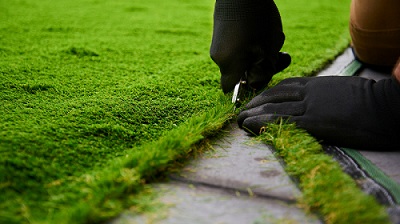
Artificial grass has become a popular solution for dog owners who want a clean, durable, and low-maintenance lawn. Unlike natural grass, synthetic turf doesn’t turn muddy, develop yellow urine patches, or require constant upkeep. However, not all artificial grass is created equal—especially when dogs are involved. Choosing the wrong product or overlooking key installation details can lead to odor problems, drainage issues, safety concerns, and costly repairs.
To ensure artificial grass truly works for your dog-friendly space, it’s important to understand the most common mistakes pet owners make and how to avoid them. This article breaks down the pitfalls to watch out for when choosing artificial grass for dogs.
One of the biggest mistakes dog owners make is selecting artificial grass that isn’t designed for pets.
Some turf products are made primarily for visual appeal and light foot traffic, not for repeated pet use. These types often lack proper drainage and durability.
Why this matters:
Poor drainage leads to urine pooling and strong odors
Fibers may mat down quickly under dog activity
Backing materials may trap moisture and bacteria
What to do instead:
Choose turf specifically labeled as pet-friendly. Look for fully permeable backing, durable fibers, and materials that are safe for animals.
Drainage is the single most important factor in artificial grass for dogs, yet it’s often overlooked.
Dog urine needs to pass quickly through the turf and into the base below. Without proper drainage, moisture becomes trapped, leading to bacteria buildup and persistent smells.
Common drainage mistakes include:
Selecting turf with limited or partial perforation
Installing grass over compacted soil without a proper sub-base
Installing turf on flat surfaces with no slope
How to avoid it:
Ensure the turf has a fully permeable backing and is installed over a well-prepared base made from crushed stone or decomposed granite. A slight slope helps liquids move away naturally.
Many people assume that longer artificial grass looks more natural, but for dogs, longer pile heights can cause problems.
Why long pile turf is a mistake for dogs:
Traps solid waste more easily
Makes cleaning more difficult
Mats down faster in potty areas
Holds onto odors longer
Better option:
For dog owners, a pile height of 25–35 mm is ideal. It provides a natural look while remaining easy to clean and durable under frequent use.
Artificial grass itself doesn’t smell—but dog urine residue can if odor control isn’t addressed properly.
Many owners assume artificial grass is automatically odor-proof, only to discover unpleasant smells months later.
Common odor-related mistakes:
Using standard sand infill instead of pet-friendly infill
Skipping regular rinsing
Not accounting for multiple dogs using the same area
What works best:
Use odor-absorbing infill such as zeolite, and rinse potty areas regularly with water. Occasional use of enzyme-based cleaners helps neutralize odors at the molecular level.
A poorly prepared base can ruin even the highest-quality artificial grass.
Skipping base preparation may save time initially, but it often leads to sinking, uneven surfaces, poor drainage, and odor retention.
Base preparation mistakes include:
Leaving organic soil or old grass underneath
Not compacting the base sufficiently
Using materials that don’t drain well
How to avoid this:
Remove organic material completely and install a compacted, free-draining base. This creates a stable foundation that supports drainage and prevents long-term issues.
Dogs love to dig, scratch, and explore. If turf edges aren’t properly secured, dogs may lift, chew, or pull them up.
Edge-related problems include:
Loose turf corners
Exposed seams
Increased risk of tripping or tearing
Best practice:
Secure edges using strong edging materials such as aluminum edging, bender board, or concrete curbing. Edges should be tightly fixed and, where possible, slightly buried to discourage digging.
Budget artificial grass can be tempting, but low-cost products often result in higher long-term expenses.
Cheaper turf typically:
Has thinner fibers that wear quickly
Lacks proper drainage
Flattens under dog traffic
Retains odors more easily
Why this is a mistake:
Replacing poorly performing turf costs more over time than investing in a quality product upfront.
Smarter choice:
Choose high-quality turf with strong fibers, UV resistance, and pet-specific features. It will last longer and perform better under daily dog use.
Artificial grass can get warm in direct sunlight, and some products retain more heat than others.
Common mistakes include:
Choosing dark-colored turf
Installing in full sun without shade
Not planning cooling strategies
How to manage heat:
Opt for lighter-colored turf, ensure proper airflow beneath the grass, and provide shaded areas. Rinsing the turf with water on hot days quickly reduces surface temperature.
Not all dogs use artificial grass the same way. Large, energetic dogs place very different demands on turf compared to small or low-energy breeds.
Mistakes happen when owners:
Choose turf meant for decorative use
Underestimate wear from running or digging
Ignore traction and cushioning needs
Better planning:
For active or large dogs, choose turf with dense fibers, high stitch rates, and optional shock-absorbing underlay to protect joints and improve durability.
Artificial grass is low-maintenance—but it’s not maintenance-free. One common mistake is assuming it never needs cleaning.
What still needs to be done:
Pick up solid waste promptly
Rinse potty areas regularly
Use enzyme cleaners occasionally
Brush fibers to prevent matting
Why this matters:
Ignoring basic maintenance can lead to odors and reduced turf lifespan. A simple routine keeps artificial grass clean and hygienic for dogs.
Artificial grass can be an excellent investment for dog owners—but only if chosen and installed correctly. Common mistakes like poor drainage, cheap materials, improper base preparation, and ignoring odor control can turn a promising solution into a frustrating experience.
By selecting pet-friendly turf, prioritizing drainage, planning for odor management, and accounting for your dog’s size and behavior, you can avoid costly mistakes and enjoy a clean, durable, and safe outdoor space.
When done right, artificial grass doesn’t just replace natural lawns—it creates a dog-friendly environment that supports hygiene, safety, and long-term convenience. Avoid these common mistakes, and you’ll have a lawn that both you and your dog can enjoy for years to come.
Submit guest articles that reach decision-makers, influencers, and professionals. Yarabook offers a trusted platform for quality content, strong backlinks, and SEO-driven visibility. Pay. Publish. Promote.