

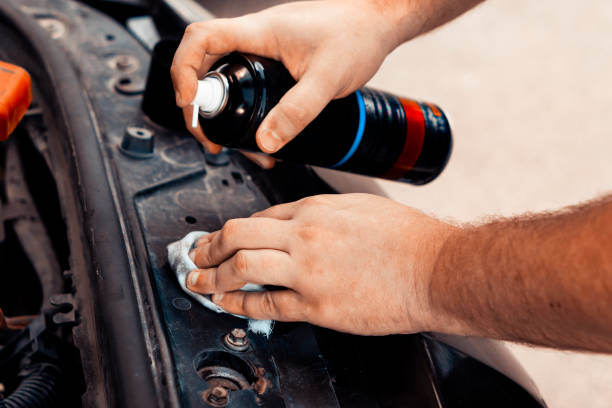
Road tar splashes, stubborn sticker residue and leftover glue can spoil an otherwise spotless car. Scrubbing harder rarely helps and often leaves swirl marks behind. A purpose-made spray solves the problem far more gently, but the market is crowded and not every bottle deserves a place in your garage. These thirteen practical points will help you pick a product that works well, protects your vehicle and suits the way you actually clean.
Before comparing labels, identify what you are actually removing. Road tar, tape marks, old stickers and contact adhesive behave differently, and a formula that handles one may struggle with another. If you want a single product covering all of these, Visit Trade Shop UK for tar and glue remover and see how a multi-purpose spray is described.
Knowing your main problem narrows the search quickly and stops you from buying several bottles that each do only half the job.
A spray bottle gives you control that tins and pastes rarely match. You can mist an exact patch of tar or a sticker outline without flooding the surrounding panel, which saves product and reduces mess.
Sprays also reach awkward spots such as wheel arches, door shuts and bumper corners. Look for a nozzle that delivers an even pattern rather than a harsh jet.
Paint is the most expensive surface on your car, so compatibility matters more than raw strength. Read the label and confirm the product is intended for painted bodywork, not just bare metal or glass.
Even then, test a hidden area first, such as a lower door edge, and wait a few minutes before wiping. If the clear coat looks dull or tacky afterwards, choose a gentler option.
Glue problems are not limited to the outside of a vehicle. Parking permits, dashcam mounts and old stickers leave residue on trim and interior panels too, so a formula suitable for both areas means one bottle covers every job.
Always confirm which interior surfaces are safe, since fabric and soft plastics can react differently. Applying the spray to a cloth rather than directly inside the cabin gives better control.
Nobody wants to wait around while a chemical slowly does its job. A fast-acting spray softens tar and adhesive within a few minutes, which keeps your session short and reduces the temptation to scrub.
Check the recommended dwell time on the label and follow it closely. Leaving a product on far longer than advised rarely improves results and can cause problems on sensitive finishes.
The best remover does most of the work for you. If you must rub hard to lift residue, you risk marring the paint, and the finish may need polishing afterwards.
Look for products that break down contaminants so they wipe away with a soft microfibre cloth. Gentle wiping protects your clear coat, whether you are a weekend enthusiast or a busy valeter.
Clear instructions are a good sign of a trustworthy product. Look for guidance on shaking, testing, dwell time and wiping, and be wary of bottles that offer only vague claims.
Good labels also mention surfaces to avoid and precautions for use. Taking a minute to read everything before you spray prevents most common mistakes and gives predictable results every time.
Solvent-based sprays deserve respect. Work in a well-ventilated space, avoid breathing in vapour and keep the product away from flames or heat. Gloves protect your skin, and eye protection is sensible when spraying above head height.
Check the safety information supplied with the product, and store it upright, capped and out of reach of children and pets. Safe habits cost nothing.
Professional detailers and first-time owners need different things. A beginner benefits from a simple spray-and-wipe product with clear steps, while workshops often value strength and speed across many vehicles.
Be honest about how often you will use it. Occasional users rarely need industrial quantities, whereas busy valeters may reach for theirs daily. Start simple, learn the product and adapt from there.
The cheapest bottle is not always the most economical. An effective spray that clears a job in one pass costs less over time than a weak product that needs repeated applications.
Consider how many jobs a bottle will cover and how much damage a poor product could cause. Treat price as one factor, never the only one.
A good remover lifts contamination and then wipes away without leaving an oily film. Greasy leftovers attract dust and can interfere with waxes or sealants applied later.
After removal, wash the area with car shampoo and rinse well. Solvents can thin existing wax, so reapply protection to the spot, then inspect the panel in daylight to make sure nothing remains.
Where you buy matters almost as much as what you buy. Choose a retailer with clear product descriptions, visible contact details and a sensible returns policy, so you can ask questions or resolve problems if needed.
Specialist suppliers focused on valeting and detailing tend to understand how their products are used, which makes their advice more dependable than that of a generic marketplace seller.
Even after careful research, start with a small trial. Apply your chosen spray to a hidden patch, observe the reaction, and wipe it clean to see how the surface responds.
If the finish looks unchanged, you can proceed with confidence across the larger area. A thirty-second trial can prevent an expensive mistake, and noting your timing helps next time.
Choosing the right tar and glue remover spray comes down to understanding your contaminants, respecting your surfaces and valuing clear instructions over big claims. When a product works quickly, wipes away cleanly and suits both interior and exterior jobs, it earns its place in your cleaning kit. Test carefully, follow the safety guidance, and your car will stay free of sticky marks without any harm to its finish.
Submit guest articles that reach decision-makers, influencers, and professionals. Yarabook offers a trusted platform for quality content, strong backlinks, and SEO-driven visibility. Pay. Publish. Promote.