

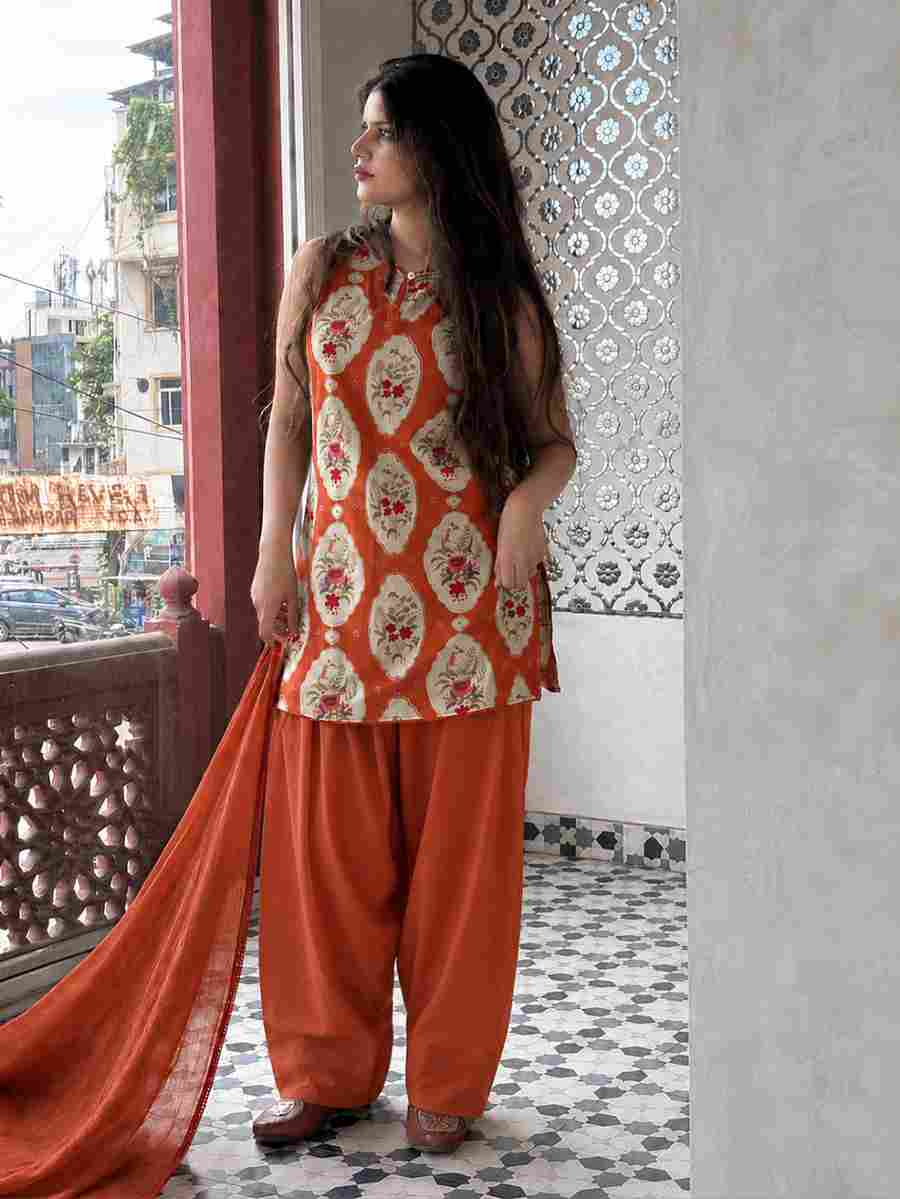
Indian ethnic fashion is known for its rich heritage, distinctive silhouettes, and timeless designs. While many traditional outfits continue to evolve with changing fashion trends, some styles stand out because of their unique history and appearance. The Farshi Salwar Suit is one such outfit that has recently gained attention among women looking for something elegant, traditional, and different from conventional ethnic wear.
With its flowing silhouette and graceful appearance, the Farshi Salwar Set brings together the charm of traditional fashion and the styling preferences of the modern woman. But what is Farshi Salwar Suit, where did it originate, and why is this distinctive outfit becoming popular again? Let’s explore everything you need to know about this beautiful ethnic silhouette.
A Farshi Salwar Suit is a traditional-inspired ethnic outfit known for its long, wide, and flowing lower silhouette. Unlike a regular salwar, which generally has a more gathered or tapered shape around the ankles, a Farshi Salwar is designed with greater volume and length, creating a distinctive floor-skimming appearance.
A traditional Farshi ensemble usually consists of a long kurta or kameez, a Farshi-style salwar, and a dupatta. Depending on the design, the outfit may feature embroidery, prints, embellishments, lacework, or other decorative details.
The flowing structure of the outfit gives it an elegant and dramatic appearance. This makes the Farshi Salwar particularly suitable for women who want to experiment with traditional fashion while choosing an outfit that feels visually distinctive.
The Farshi Salwar Suit meaning is connected to the characteristic length and silhouette of the outfit. The word “Farshi” is associated with the Persian word “farsh,” which means floor or ground.
The name reflects the traditional appearance of the salwar, which is designed to extend toward or close to the floor. This floor-length visual is one of the most recognizable characteristics of the Farshi silhouette.
However, modern versions may be adapted with different lengths and proportions to suit contemporary preferences. The essence of the style remains the same: a voluminous, flowing lower garment that creates a graceful and statement-making ethnic look.
The Farshi Salwar origin is associated with the rich history of South Asian clothing and Persian-influenced fashion. The style became known as part of traditional and formal dressing, particularly in historical settings where elaborate silhouettes and luxurious clothing were valued.
Traditional Farshi ensembles were often worn with long kameez or kurtas and beautifully styled dupattas. The dramatic volume of the lower garment contributed to the grandeur of the overall outfit.
As fashion evolved, simpler and more practical silhouettes became increasingly popular. This led to the Farshi Salwar becoming less common in everyday wardrobes.
However, fashion is cyclical. As interest in heritage clothing and traditional Indian silhouettes continues to grow, the Farshi Salwar is once again being explored by designers, fashion enthusiasts, and women who appreciate distinctive ethnic wear.
The main feature that distinguishes a Farshi Salwar Set from a regular salwar suit is its silhouette. The flowing lower garment creates movement and volume, giving the outfit a graceful and elegant appearance.
Some of its key characteristics include:
The outfit’s distinctive structure allows it to make a statement without relying entirely on heavy embellishments. Even a relatively simple Farshi Salwar can look visually striking because of its unique silhouette.
The Farsi Salwar Suit is becoming increasingly popular because modern fashion is showing a renewed interest in heritage-inspired clothing.
Today’s women are often looking for ethnic outfits that offer something beyond conventional designs. Instead of choosing the same familiar silhouettes, many fashion enthusiasts are exploring traditional styles with unique histories and cultural significance.
The Farshi Salwar fits naturally into this trend. Its distinctive shape makes it stand out, while its traditional roots give it a timeless quality.
Another reason for its renewed appeal is versatility. A modern Farshi Salwar can be styled for weddings, festive celebrations, family functions, cultural occasions, and special events. Depending on the fabric, color, and embellishment, the same silhouette can create anything from a subtle ethnic look to a more regal appearance.
JOVI India brings traditional-inspired ethnic fashion into the contemporary wardrobe with its Farshi Salwar Suit. Designed for women who appreciate elegant and distinctive ethnic silhouettes, the outfit offers a unique alternative to conventional salwar suit styles.
The Farshi silhouette allows the outfit to make a statement through its flowing structure and graceful movement. It can be styled with traditional jewelry and ethnic footwear for a festive appearance or paired with minimal accessories for a more refined look.
For women who want to explore heritage-inspired fashion while maintaining a modern sense of style, a Farshi Salwar Set can be an interesting addition to their ethnic wardrobe.
Styling a Farshi Salwar Suit is relatively simple because the silhouette itself is the main attraction. However, the right accessories can enhance its overall appearance.
For a traditional look, consider pairing the outfit with:
For a modern look, you can keep your accessories minimal. A pair of statement earrings with simple footwear can allow the Farshi silhouette to remain the focal point.
If the outfit features heavy embroidery or embellishments, choose understated accessories. For a simpler Farshi Salwar, statement jewelry can add a festive touch.
A Farshi Salwar Set can be worn for a variety of special occasions. Its traditional appearance makes it particularly suitable for events where ethnic fashion is appreciated.
Some occasions where you can consider wearing a Farshi Salwar include:
The styling can be adjusted according to the occasion. Lighter fabrics and minimal embellishments work well for daytime events, while richer fabrics and detailed embroidery can create a more formal evening look.
One of the most common questions about the Farshi Salwar is how it differs from a regular salwar suit.
A regular salwar generally has a more structured or gathered shape and is designed to provide ease of movement. A Farshi Salwar, on the other hand, focuses more on length, volume, and a flowing silhouette.
The difference is primarily visual and structural. The Farshi style creates a more dramatic appearance, while a regular salwar suit is generally more practical for everyday wear.
This unique difference is also what makes the Farshi Salwar an attractive option for women looking for something distinctive for special occasions.
A Farshi Salwar Suit is a traditional-inspired ethnic outfit featuring a long, wide, and flowing salwar that creates a floor-skimming silhouette. It is typically worn with a kurta or kameez and a dupatta.
The Farshi Salwar Suit meaning is associated with its floor-length appearance. The term “Farshi” is linked to the Persian word “farsh,” meaning floor or ground.
The Farshi Salwar origin is connected with South Asian and Persian-influenced traditional fashion. The style has historically been associated with elaborate ethnic dressing and has been reinterpreted for modern fashion.
Yes. A Farshi Salwar generally has a longer, wider, and more flowing silhouette compared with a conventional salwar, which is usually more gathered or tapered.
A Farshi Salwar Set typically includes a Farshi-style salwar paired with a matching or coordinating kurta or kameez and, depending on the design, a dupatta.
Yes. The elegant and distinctive silhouette makes a Farshi Salwar suitable for weddings, festivals, family gatherings, cultural events, and other special occasions.
The Farshi Salwar Suit represents the beautiful relationship between heritage and modern fashion. Its distinctive silhouette, flowing structure, and traditional appeal make it an interesting choice for women who want to explore ethnic fashion beyond conventional styles.
Understanding what is Farshi Salwar Suit, its Farshi Salwar Suit meaning, and the Farshi Salwar origin helps us appreciate why this unique outfit continues to attract attention today.
With its timeless charm and contemporary styling possibilities, the Farshi Salwar Set can be a beautiful addition to a modern ethnic wardrobe. Whether you choose it for a wedding, festive celebration, or special family gathering, this graceful silhouette offers a stylish way to embrace the beauty of traditional fashion with a modern perspective.
Submit guest articles that reach decision-makers, influencers, and professionals. Yarabook offers a trusted platform for quality content, strong backlinks, and SEO-driven visibility. Pay. Publish. Promote.