

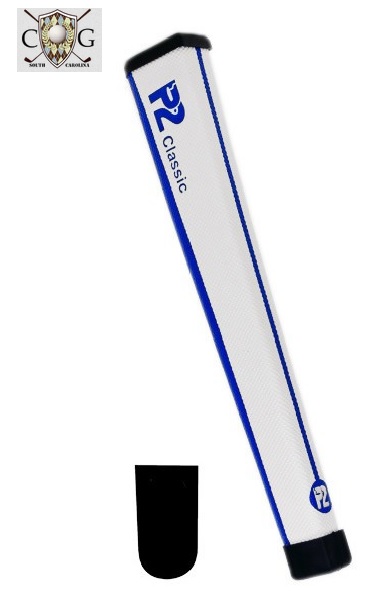
Putting is one of the most critical aspects of golf, often determining the difference between a good round and a great one. While golfers spend considerable time working on swing mechanics and distance control, putting performance relies heavily on precision, feel, and consistency. Among the many factors that influence putting success, grip design plays a significant role in how a golfer controls the club and executes a smooth stroke. Understanding the features and benefits of options like Forward Midsize Blue Putting Grip Free Sc Logo Bm With Purchase can help players refine their approach to putting and improve overall performance on the green.
The putting grip serves as the direct connection between the golfer and the putter. It influences hand placement, pressure distribution, and stroke stability. A well-designed grip can reduce unwanted wrist movement, enhance alignment, and promote a smoother, more controlled putting motion. Because putting requires precision rather than power, even small adjustments in grip style can lead to noticeable improvements in accuracy.
One of the most important characteristics of a putting grip is its size. Midsize grips have become increasingly popular among golfers who prefer a slightly larger surface area for their hands. This design allows for a more relaxed grip pressure, which can reduce tension in the hands and wrists. Reduced tension often leads to a smoother stroke and better control of the putter face throughout the motion.
Grip texture is another important consideration. A surface that provides consistent traction helps golfers maintain a steady hold on the putter without needing to squeeze tightly. Excessive grip pressure can interfere with the natural flow of the stroke, leading to inconsistencies in direction and distance. A well-textured grip supports a balanced connection that enhances feel without compromising control.
Color and visual design may also influence a golfer’s confidence and alignment. While performance remains the primary focus, visual elements can help players feel more comfortable and focused during practice and play. Subtle design features can assist with hand placement and reinforce proper positioning at address.
The material used in grip construction contributes to durability and comfort. High-quality materials are designed to withstand repeated use while maintaining their shape and texture. A comfortable grip encourages consistent hand positioning and reduces fatigue during extended practice sessions.
Proper hand placement is essential for effective putting. Many golfers experiment with different grip styles, such as the traditional reverse overlap, cross-handed grip, or claw grip. Regardless of the chosen technique, the grip itself should support stability and minimize unnecessary movement. A well-designed grip helps maintain alignment between the hands and the putter, ensuring that the stroke remains consistent.
Stroke consistency is closely linked to grip performance. A stable grip allows the golfer to focus on controlling the putter head rather than adjusting hand position during the stroke. This stability is particularly important for maintaining a square clubface at impact, which directly affects the direction of the ball.
Distance control is another area where grip design can have an impact. A comfortable and stable grip allows golfers to develop a better feel for how far the ball will travel with each stroke. Improved feel leads to more accurate distance judgment, reducing the likelihood of leaving putts short or hitting them too far past the hole.
Practice plays a vital role in improving putting performance. Golfers who spend time working on their stroke with a consistent grip setup often see gradual improvements in accuracy and confidence. Repetition helps reinforce muscle memory, allowing the golfer to develop a reliable and repeatable stroke.
Alignment is another key factor in successful putting. Many golfers struggle with aligning the putter face correctly at address. A grip that promotes consistent hand placement can help ensure that the putter remains square to the target line. Proper alignment increases the chances of starting the ball on the intended path.
Comfort during play is also important. Golf rounds can last several hours, and maintaining a comfortable grip throughout the round helps prevent fatigue. A grip that fits naturally in the hands allows the golfer to maintain focus and consistency from the first hole to the last.
Weather conditions can also influence grip performance. Humidity, rain, or sweat may affect how securely a golfer can hold the putter. Grips designed with moisture resistance or enhanced traction help maintain control in varying conditions. This reliability ensures that performance remains consistent regardless of environmental factors.
Another aspect to consider is the psychological impact of equipment. Confidence plays a significant role in putting success. When golfers feel comfortable with their grip and equipment, they are more likely to approach each putt with a positive mindset. Confidence can lead to smoother strokes and better overall performance.
Customization is often part of a golfer’s journey toward improvement. Players may experiment with different grip sizes, shapes, and materials to find the option that best suits their preferences. Exploring options such as Forward Midsize Blue Putting Grip Free Sc Logo Bm With Purchase allows golfers to identify features that align with their individual playing style.
Maintenance of the grip is also important for long-term performance. Over time, grips may wear down, lose texture, or become less effective. Regular inspection and replacement ensure that the grip continues to provide the necessary support and comfort. Keeping equipment in good condition contributes to consistent results on the course.
Training aids and drills can further enhance putting skills. Practicing with alignment guides, distance markers, or stroke trainers helps golfers refine their technique. Combining these tools with a reliable grip setup creates a strong foundation for improvement.
The relationship between grip pressure and stroke quality is another important consideration. Holding the putter too tightly can restrict natural movement, while holding it too loosely may reduce control. Finding the right balance allows the golfer to maintain a smooth and controlled stroke.
Consistency is the ultimate goal in putting. While no golfer makes every putt, reducing variability in stroke mechanics leads to better overall performance. A dependable grip supports this consistency by providing a stable foundation for every stroke.
As golfers continue to develop their skills, small adjustments can lead to meaningful improvements. Paying attention to grip design, hand placement, and stroke mechanics allows players to refine their approach and achieve greater accuracy on the green.
Putting remains one of the most rewarding aspects of golf when executed effectively. The satisfaction of sinking a well-judged putt reflects the combination of technique, focus, and equipment working together. By understanding the role of grip design and selecting options that support comfort and control, golfers can enhance their performance and enjoy greater success on the course.
Submit guest articles that reach decision-makers, influencers, and professionals. Yarabook offers a trusted platform for quality content, strong backlinks, and SEO-driven visibility. Pay. Publish. Promote.