

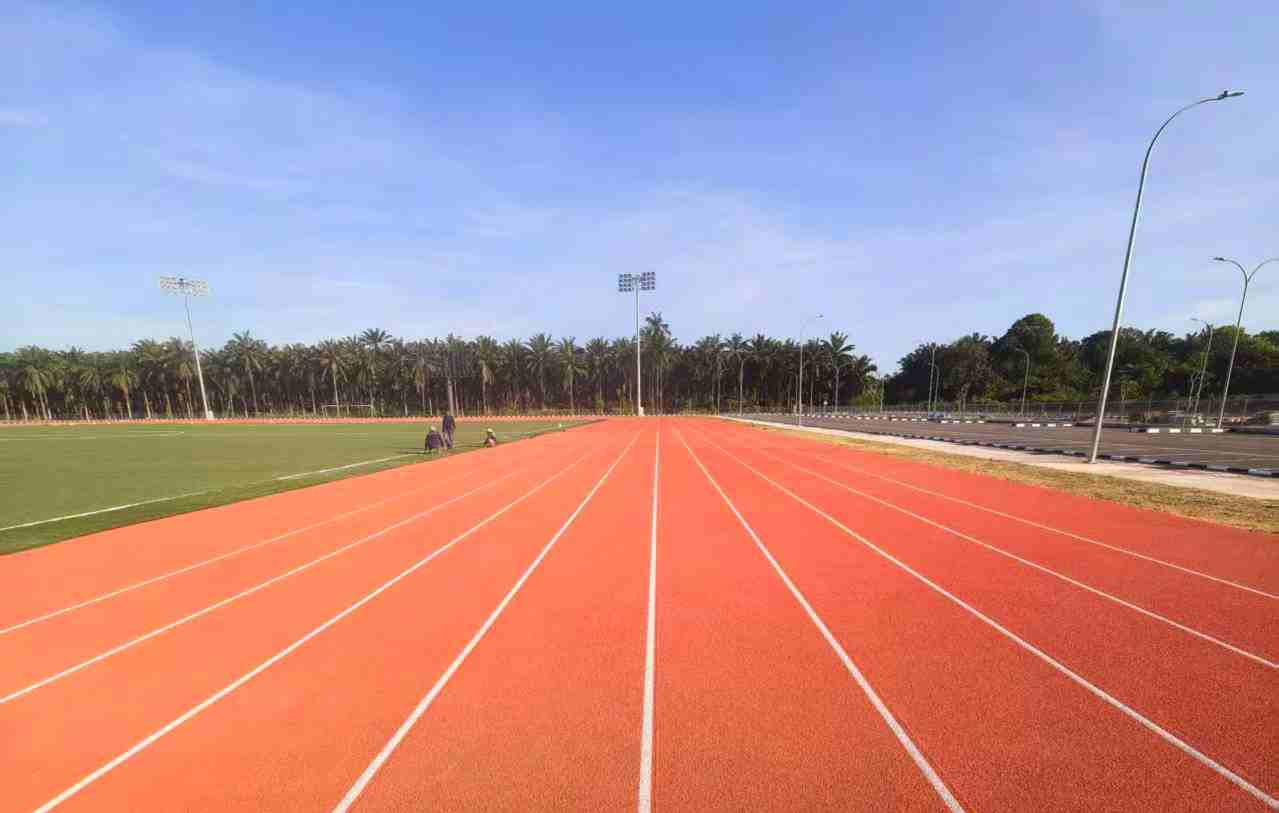
Modern sports facility builders always look for top-tier athletic surfaces. They want solutions that deliver outstanding performance, fast installation, and long-term durability. Across school campuses, municipal parks, and world-class athletic stadiums, the prefabricated running track has quickly become the absolute top choice globally. This specialized flooring system is revolutionizing how developers build modern running trails. Unlike traditional poured-in-place tracks, factory-made rubber tracks offer perfectly uniform thickness and unmatched physical elasticity. Athletes run faster and safer on these advanced surfaces. At the exact same time, facility managers enjoy significantly lower maintenance costs over decades of heavy use.
However, many school directors and stadium planners still wonder why this specific option is replacing traditional plastic tracks so quickly. What makes a factory-molded rubber system so superior to traditional full PU, hybrid, or porous tracks? Why are world-class athletic events consistently choosing factory-built track materials today? The following comprehensive guide explains the core reasons behind this rapid market shift. We analyze everything from factory manufacturing precision to eco-friendly recycling benefits. Read on to learn why choosing a prefabricated running track is the smartest long-term investment for your athletic facility.
Selecting the right sports surface is a crucial financial decision. Traditional running tracks rely heavily on on-site chemical mixing and manual pouring. This manual process makes the final product vulnerable to unpredictable weather, improper chemical ratios, and uneven human installation. A single rain shower during construction can ruin an entire poured track.
Choosing a factory-made rubber surface completely solves these common construction risks:
Because factory-made rubber mats are fully produced in controlled industrial environments, their quality remains 100% stable. The physical elasticity is identical on every inch of the lane. This consistency provides world-class shock absorption for runners. It reduces physical fatigue and protects athlete joints during intense training sessions.
Sports facilities host thousands of athletic events and daily training sessions each year. Therefore, surface durability is an essential requirement. Low-quality track materials wear out quickly under heavy foot traffic and harsh weather. They require expensive patch jobs and frequent recoating within just a few years.
Factory-built track materials demonstrate remarkable resistance to environmental aging and heavy physical abuse:
This incredible structural stability saves facility owners a massive amount of money on early replacement costs. The track maintains its original visual appeal and athletic performance year after year.
Time is money in modern construction projects. Weather delays and extended curing periods can disrupt school calendars and delay major sporting events. Traditional poured-in-place tracks require multiple days of chemical pouring, leveling, granule broadcasting, and long drying periods.
The installation process for a factory-made track is exceptionally straightforward and fast:
Simple Four-Step Installation Process:
1. Sub-Base Preparation: Workers ensure the concrete or asphalt sub-base is completely level, clean, and dry.
2. Roll Transportation: Finished, pre-measured rubber track rolls are transported directly from the factory to the job site.
3. Adhesive Bonding: Professional installers roll out the track material and bond it directly to the sub-base using specialized polyurethane adhesives.
4. Seam Sealing: Joints are bonded together seamlessly, creating a single continuous running surface that is ready for fast line marking.
This streamlined method dramatically shortens the overall construction cycle. It reduces labor costs significantly and minimizes the risk of installation errors on-site.
Facility managers love athletic surfaces that are clean, safe, and easy to maintain daily. Poured tracks with loose rubber granules often shed particles constantly. These loose granules clog drainage systems and pollute surrounding lawn areas. Furthermore, rough surfaces can trap dirt, dust, and organic debris easily.
Factory-manufactured rubber tracks offer massive hygiene and maintenance advantages:
Maintenance and Care Benefits:
As long as the sub-base remains stable, keeping the surface in peak condition requires minimal labor and zero expensive chemical treatments.
Environmental sustainability is a core requirement for modern educational facilities and municipal projects globally. Traditional plastic tracks are often difficult to dispose of when they reach the end of their usable life. Burning or landfilling mixed chemical plastics causes severe environmental pollution.
Factory-made rubber tracks align perfectly with modern green building standards:
Choosing eco-friendly track surfaces helps schools achieve green building certifications while protecting the local ecosystem.
Investing in sports infrastructure requires balancing upfront material costs with total long-term value. While the initial material cost of factory-built tracks can be higher than simple porous tracks, their overall life-cycle cost is significantly lower.
When you calculate the total cost of ownership over ten years, the advantages become crystal clear. You save tens of thousands of dollars on maintenance, avoid costly weather-related installation delays, and completely eliminate early surface replacement expenses. Facility managers gain total peace of mind knowing their athletes are training on a certified, safe, and durable surface.
Choosing factory-manufactured rubber tracks means selecting a brighter, safer, and much more efficient future for modern sports venues worldwide.
JRace Sports specializes in premium cast-in-place, semi-prefabricated, and prefabricated tracks and trails. We manufacture top-tier court materials, FIBA-certified courts, acrylic courts, and diverse sports flooring materials. As a professional sports flooring manufacturer, we fully integrate advanced R&D, large-scale Manufacturing, global Marketing, and detailed Installation Guidance. We focus entirely on safety, environmental protection, and long-term durability. We ensure your sports facility project achieves the highest international standards of excellence from start to finish.
Submit guest articles that reach decision-makers, influencers, and professionals. Yarabook offers a trusted platform for quality content, strong backlinks, and SEO-driven visibility. Pay. Publish. Promote.