

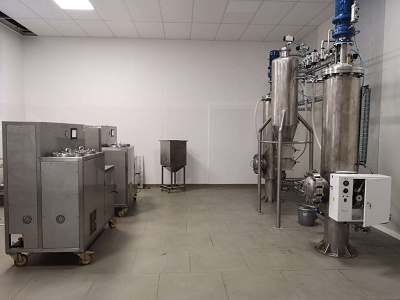
Extraction technologies have evolved significantly as industries seek more efficient, precise, and sustainable methods for isolating valuable compounds from natural materials. From essential oils to plant-based extracts, modern processes aim to preserve purity, maintain consistency, and maximize yield. Among the advanced methods gaining attention is the Harmonic Distillation process, which focuses on refining extraction through controlled energy application and optimized system design.
Traditional distillation techniques have been used for centuries to separate compounds based on differences in boiling points. These methods typically involve heating plant material to release volatile compounds, which are then condensed and collected. While effective, conventional distillation can sometimes lead to degradation of delicate compounds due to excessive heat exposure.
Modern extraction technologies aim to address these limitations by introducing greater precision and control. The Harmonic Distillation process is often associated with systems that carefully regulate temperature, pressure, and energy input to achieve more consistent results. By maintaining stable extraction conditions, this approach helps preserve the integrity of sensitive compounds while improving efficiency.
One of the key principles behind advanced distillation methods is the concept of controlled energy transfer. Instead of applying direct and continuous heat, modern systems may use gradual and balanced energy input to avoid thermal stress on plant materials. This controlled approach can help maintain the natural composition of extracted substances, which is particularly important for applications that require high purity.
Temperature management plays a critical role in extraction efficiency. Each compound within plant material has a specific boiling point, and exceeding these thresholds can alter chemical structures. Precision temperature control ensures that target compounds are extracted without introducing unwanted changes. This level of control is especially valuable in industries where consistency is essential.
Pressure regulation is another important factor in modern distillation systems. By adjusting pressure levels within the extraction chamber, it is possible to influence boiling points and extraction rates. Lower pressure environments, for example, can allow compounds to vaporize at lower temperatures, reducing the risk of degradation.
Material selection also contributes to the effectiveness of extraction equipment. High-quality stainless steel and specialized glass components are commonly used to ensure durability and prevent contamination. Clean and stable materials help maintain the purity of extracted products while supporting long-term equipment performance.
Another advantage of advanced distillation techniques is improved yield. Efficient extraction systems are designed to recover a higher percentage of desired compounds from raw materials. This not only enhances productivity but also reduces waste, making the process more sustainable.
Sustainability has become an important consideration in modern extraction practices. Efficient systems aim to minimize energy consumption while maximizing output. Reduced energy usage not only lowers operational costs but also decreases environmental impact. This aligns with the growing demand for eco-friendly production methods across various industries.
Automation and digital control systems have further improved extraction processes. Modern equipment often includes sensors and monitoring tools that track temperature, pressure, and flow rates in real time. These systems allow operators to make precise adjustments, ensuring consistent results across multiple extraction cycles.
Data collection and analysis also play a role in refining extraction methods. By studying process data, operators can identify patterns and optimize system performance. This continuous improvement approach helps maintain high standards of quality and efficiency.
Applications of advanced distillation methods extend across multiple industries. In the production of essential oils, for example, maintaining the natural aroma and therapeutic properties of plant extracts is crucial. Precision extraction helps preserve these characteristics, resulting in higher-quality products.
In the food and beverage industry, extraction processes are used to isolate flavors, fragrances, and active ingredients. Consistency and purity are essential for maintaining product standards, making controlled distillation methods particularly valuable.
Pharmaceutical and nutraceutical industries also rely on advanced extraction techniques to isolate bioactive compounds. Accurate extraction ensures that active ingredients remain stable and effective, supporting product safety and efficacy.
Another important consideration in extraction is scalability. Systems must be capable of operating efficiently at different production levels, from small-scale research setups to large industrial operations. Flexible system design allows manufacturers to adjust capacity based on demand.
Safety is a critical aspect of any extraction process. Handling high temperatures, pressure systems, and volatile compounds requires careful design and operation. Modern equipment incorporates safety features such as pressure relief valves, temperature controls, and automated shutdown systems to reduce risk.
Maintenance and cleaning are also essential for ensuring consistent performance. Regular inspection and proper cleaning procedures help prevent contamination and maintain equipment efficiency. Well-maintained systems contribute to long-term reliability and product quality.
The role of innovation in extraction technology continues to expand as new methods and improvements are developed. Research and development efforts focus on enhancing efficiency, reducing environmental impact, and improving product quality. These advancements contribute to the evolution of extraction practices across industries.
Another advantage of modern extraction techniques is reproducibility. Consistent process conditions allow operators to achieve similar results across multiple production cycles. This reliability is essential for industries that require standardized products.
Training and expertise are also important factors in successful extraction operations. Skilled operators who understand system controls and process variables can optimize performance and maintain high-quality output. Continuous learning and adaptation help keep pace with technological advancements.
As industries continue to demand higher levels of precision and efficiency, advanced distillation methods are expected to play an increasingly important role. The ability to preserve delicate compounds, improve yield, and maintain consistency makes these techniques valuable for a wide range of applications.
Environmental responsibility is another driving factor behind innovation in extraction technologies. Reducing waste, conserving energy, and using sustainable materials are priorities for modern production systems. These efforts contribute to more responsible manufacturing practices.
In addition to technical benefits, advanced extraction methods support product differentiation. High-quality extracts with preserved properties can enhance the value of end products, making them more appealing to consumers.
Ultimately, the development of improved distillation techniques reflects a broader trend toward precision and sustainability in industrial processes. By combining scientific understanding with technological innovation, modern extraction systems continue to evolve and meet the needs of diverse industries.
Pure5extraction
Submit guest articles that reach decision-makers, influencers, and professionals. Yarabook offers a trusted platform for quality content, strong backlinks, and SEO-driven visibility. Pay. Publish. Promote.