

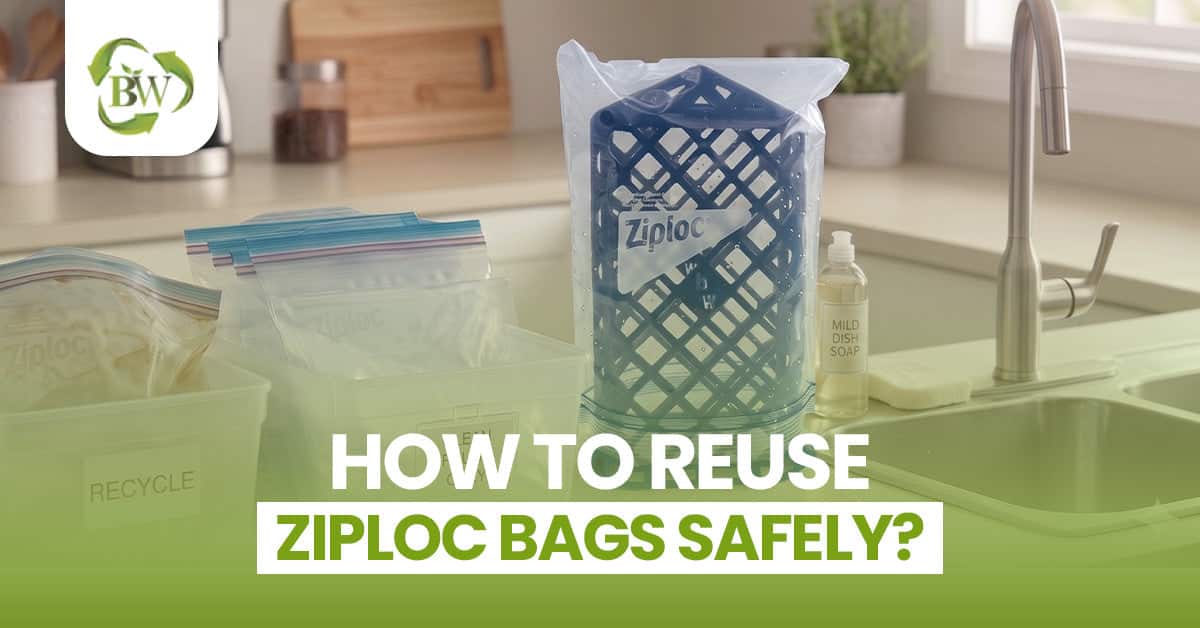
Reducing household waste starts with simple everyday habits, and one of the easiest changes you can make is learning how to reuse Ziploc bags safely. While many people use food storage bags once and throw them away, many bags can be reused multiple times when they have stored low-risk foods and are cleaned properly. Reusing storage bags not only saves money but also reduces plastic waste and supports a more sustainable lifestyle.
The key is knowing when a bag is safe to reuse, how to clean it correctly, and when it should be replaced or recycled. This guide explains everything you need to know about reusing Ziploc bags responsibly.
Millions of plastic storage bags are discarded every year. Although they are convenient, using a new bag every time creates unnecessary waste. Practicing plastic bag reuse helps reduce the demand for new plastic products while making better use of materials that are already available.
Benefits of reusing storage bags include:
Reducing household plastic waste
Saving money on food storage supplies
Extending the life of reusable products
Supporting environmentally friendly habits
Minimizing landfill waste
Small changes in daily routines can have a significant long-term impact.
Not every Ziploc bag should be reused. The type of food stored inside determines whether reuse is appropriate.
Generally safe to reuse after proper cleaning:
Bread
Crackers
Dry cereal
Cookies
Fresh fruits
Fresh vegetables
Sandwiches
Cheese
Avoid reusing bags that previously contained:
Raw meat
Raw poultry
Raw seafood
Eggs
Greasy foods that cannot be cleaned completely
Spoiled food
When in doubt, replace the bag to protect food safety.
A clean bag is essential for safe reuse. After emptying the bag, rinse it immediately before food residue has time to dry.
For effective washing Ziploc bags, follow these steps:
Empty all contents.
Rinse with warm water.
Wash using mild dish soap.
Clean both inside and outside surfaces.
Rinse thoroughly.
Turn the bag upside down for drying.
Allow it to air dry completely.
Proper cleaning prevents odors, bacteria buildup, and stains.
Several accessories can simplify cleaning reusable storage bags.
Examples include:
A washing bag holder
A bag cleaner
A bag washing drying rack
A bag washer
A washer bag stand
A bag wash accessory
Some households also use a reusable plastic bags washer to improve airflow during drying.
These tools help keep bags open while drying, reducing trapped moisture and making the cleaning process more efficient.
Many people focus on washing but overlook drying.
A damp bag can develop unpleasant odors or encourage bacterial growth. After washing, allow the bag to dry naturally in a well-ventilated area.
Keeping the bag fully open improves airflow and speeds up drying.
A completely clean plastic bag is one that is both washed and thoroughly dried before being stored.
Learning how to reuse Ziploc bags goes beyond food storage.
Reusable bags can organize many household items, including:
Craft supplies
Office materials
Small toys
Travel toiletries
Charging cables
Sewing accessories
Hardware items like screws and nails
Jewelry while traveling
Using storage bags for non-food purposes helps extend their useful life even after they are no longer suitable for food.
Even with proper care, reusable bags eventually wear out.
Replace bags if you notice:
Holes
Cracks
Damaged zipper seals
Persistent odors
Permanent stains
Brittle plastic
No amount of cleaning can restore damaged bags to safe food storage condition.
Inspect reusable bags regularly before each use.
Some reusable storage bags are dishwasher safe, but not all are.
Always follow the manufacturer’s instructions before placing a bag in the dishwasher.
When dishwasher cleaning is recommended, many people use a dishwasher bag holder to keep bags open during the wash cycle.
Others prefer hand washing because it offers better control and is suitable for delicate bags.
The best cleaning method depends on the specific type of reusable storage bag.
Eventually, every reusable storage bag becomes too worn for continued use.
Many people ask:
Are Ziploc bags recyclable?
Can Ziploc bags be recycled?
The answer depends on local recycling programs. Most curbside recycling bins do not accept flexible plastic bags, but many grocery stores and plastic film recycling programs collect clean and dry storage bags.
Before you recycle Ziploc bags, remove any food residue and check your community’s recycling guidelines.
Responsible recycling helps reduce landfill waste when reuse is no longer possible.
To keep reusable bags in the best condition:
Wash bags soon after use.
Avoid abrasive scrubbers.
Use mild dish soap.
Dry completely before storing.
Store bags flat.
Avoid excessive heat unless the manufacturer approves it.
Some people also use a plastic bag cleaner or bag e wash accessory to simplify maintenance.
For households using reusable cleaning bags for kitchen appliances, always follow the manufacturer’s cleaning recommendations.
Learning how to reuse Ziploc bags is a simple way to reduce household waste while saving money and supporting more sustainable living. The most important steps are choosing bags that are safe to reuse, cleaning them thoroughly, drying them completely, and inspecting them regularly for damage.
Reusable storage bags work best when they have held low-risk foods and are maintained with proper hygiene. Once a bag becomes worn or damaged, replacing or recycling it through an approved plastic film recycling program is the safest option.
Whether you use Ziploc bags for food storage, travel organization, or household organization, careful cleaning and thoughtful reuse can significantly extend their lifespan. Small habits like washing bags promptly, drying them properly, and recycling them responsibly contribute to a cleaner kitchen and a healthier environment. Over time, these simple actions reduce plastic waste and encourage smarter, more sustainable everyday choices for families everywhere.
Submit guest articles that reach decision-makers, influencers, and professionals. Yarabook offers a trusted platform for quality content, strong backlinks, and SEO-driven visibility. Pay. Publish. Promote.